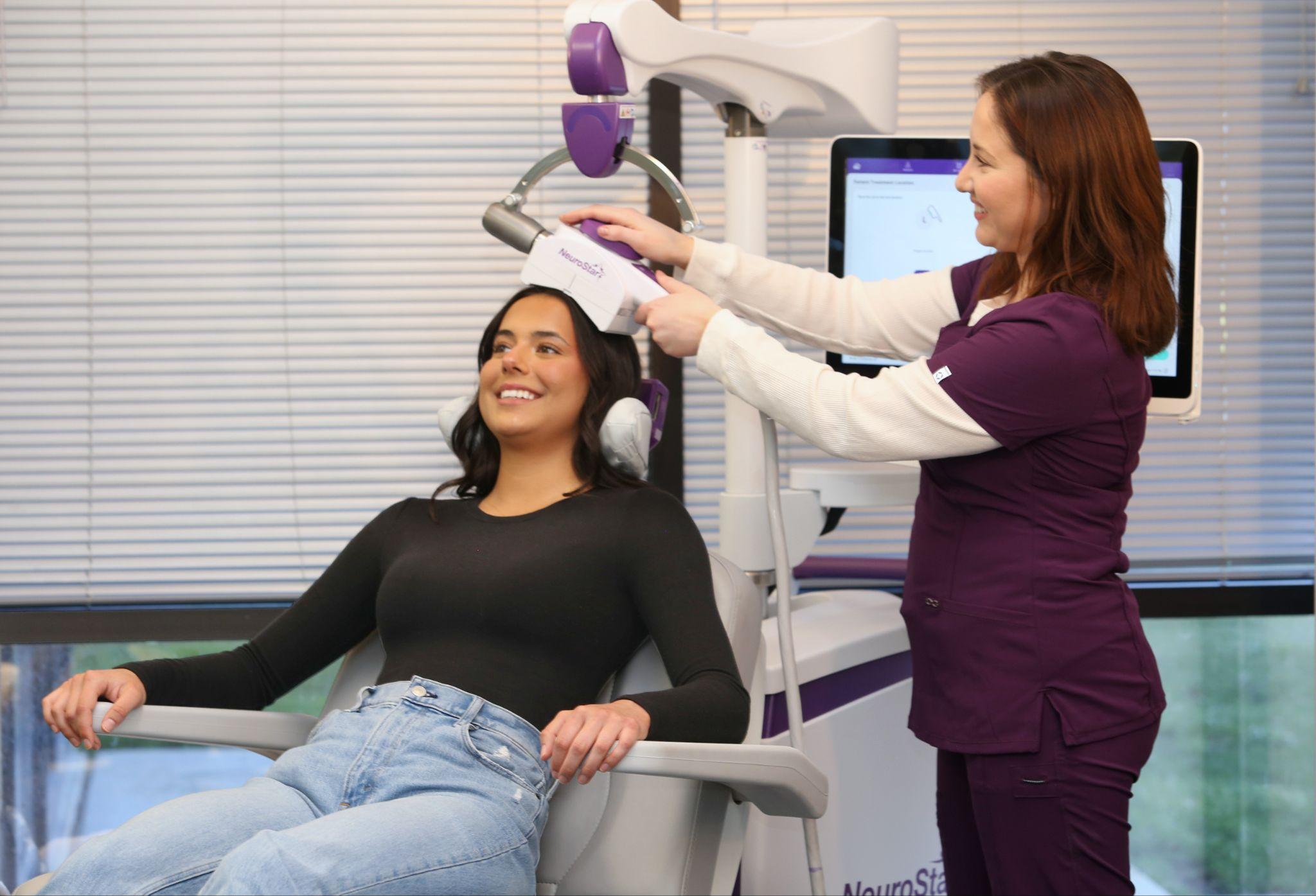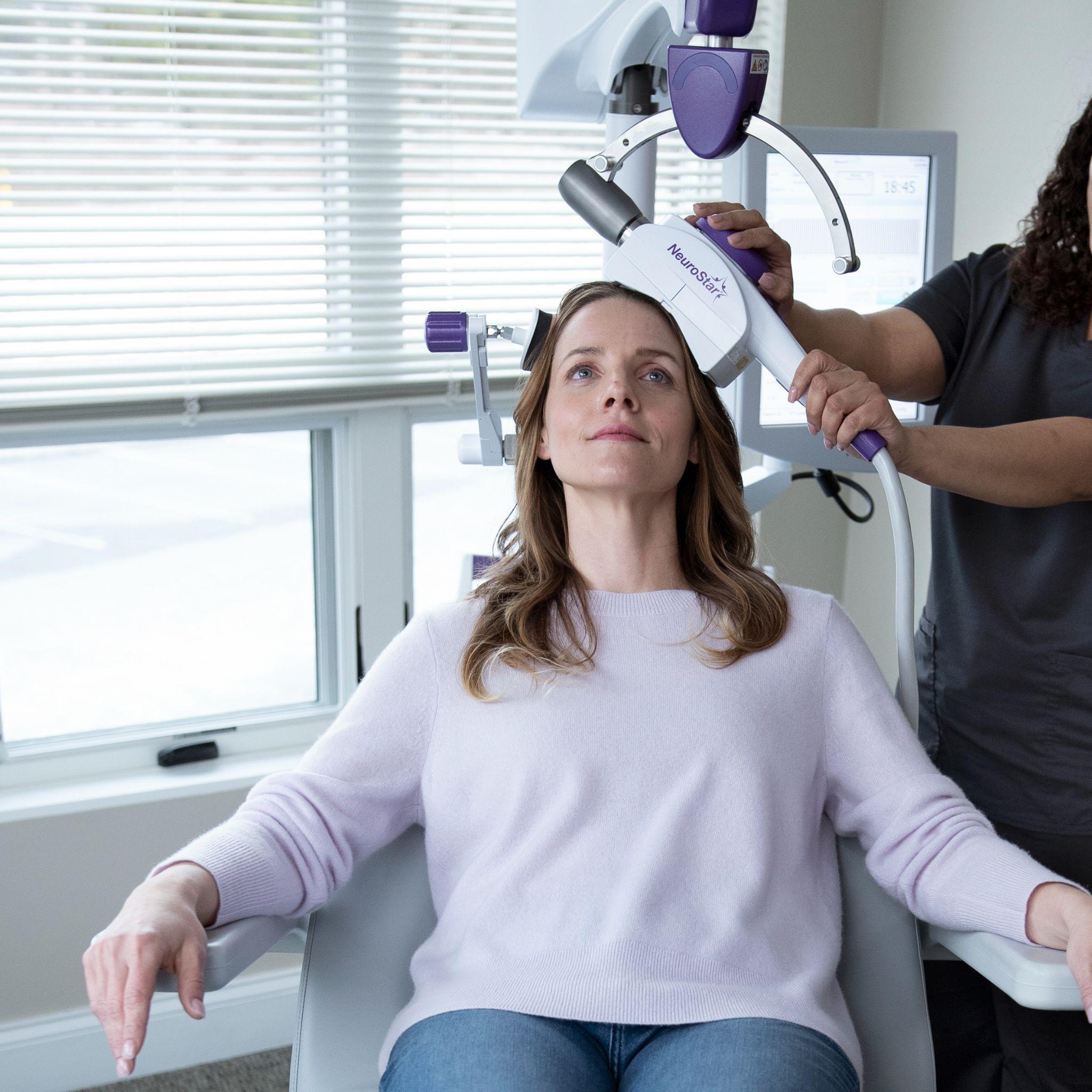


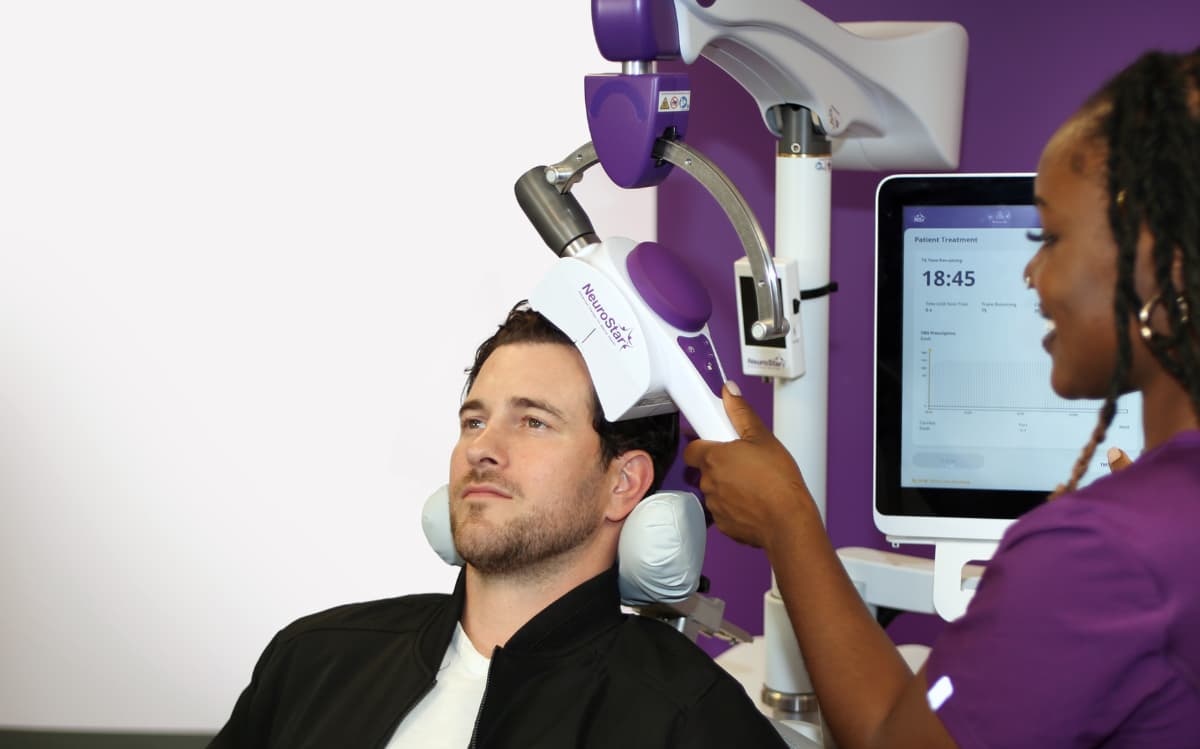
Who is Eligible For TMS Treatment? Transcranial magnetic stimulation, often explained in discussions about what is TMS treatment, is appropriate for patients with major depressive disorder or obsessive-compulsive disorder who have not improved with antidepressants or psychotherapy. It is not offered on preference alone; eligibility depends on a confirmed diagnosis, prior treatment response, and a structured safety assessment.
The U.S. Food and Drug Administration has cleared TMS devices for defined psychiatric uses under specific clinical criteria. At Sugi Psychiatry, clinicians follow established protocols to guide patient selection and treatment planning. This ensures that care is grounded in current evidence and clinical judgment. Continue reading to see whether this approach fits your clinical profile.
Key Takeaways
- Patients must have a confirmed diagnosis of major depressive disorder or obsessive-compulsive disorder with clinically significant depressive symptoms.
- Documented treatment resistance, typically defined as failure of 2–4 antidepressant trials and structured psychotherapy.
- No contraindications, such as cochlear implants, implanted electronic devices, or high-risk seizure disorders.
Conditions That May Qualify For TMS Treatment
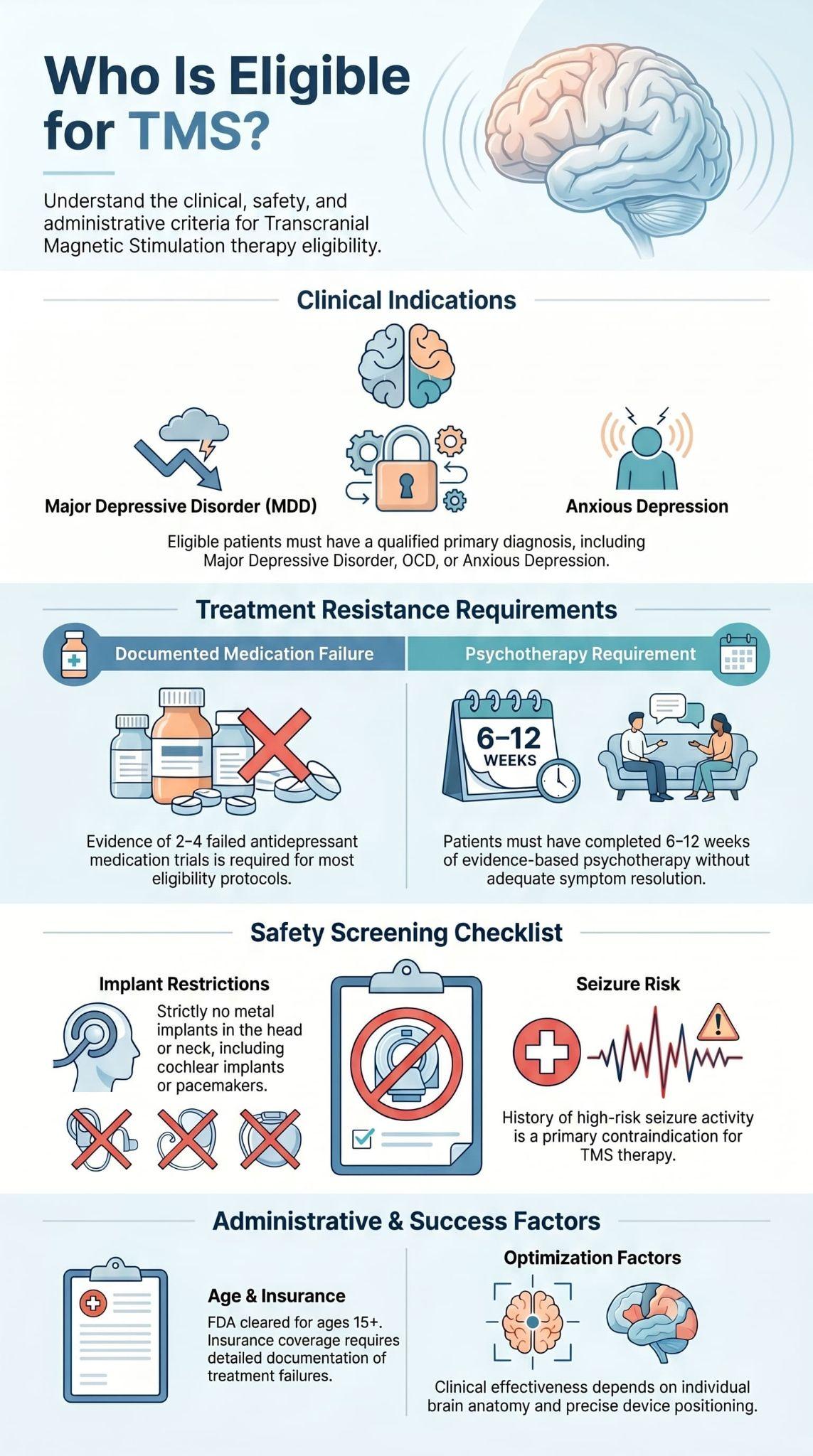
TMS therapy is FDA cleared for three main clinical presentations. Major depressive disorder, obsessive compulsive disorder, and anxious depression. It is generally considered when standard treatments, like medication, have not produced adequate improvement.
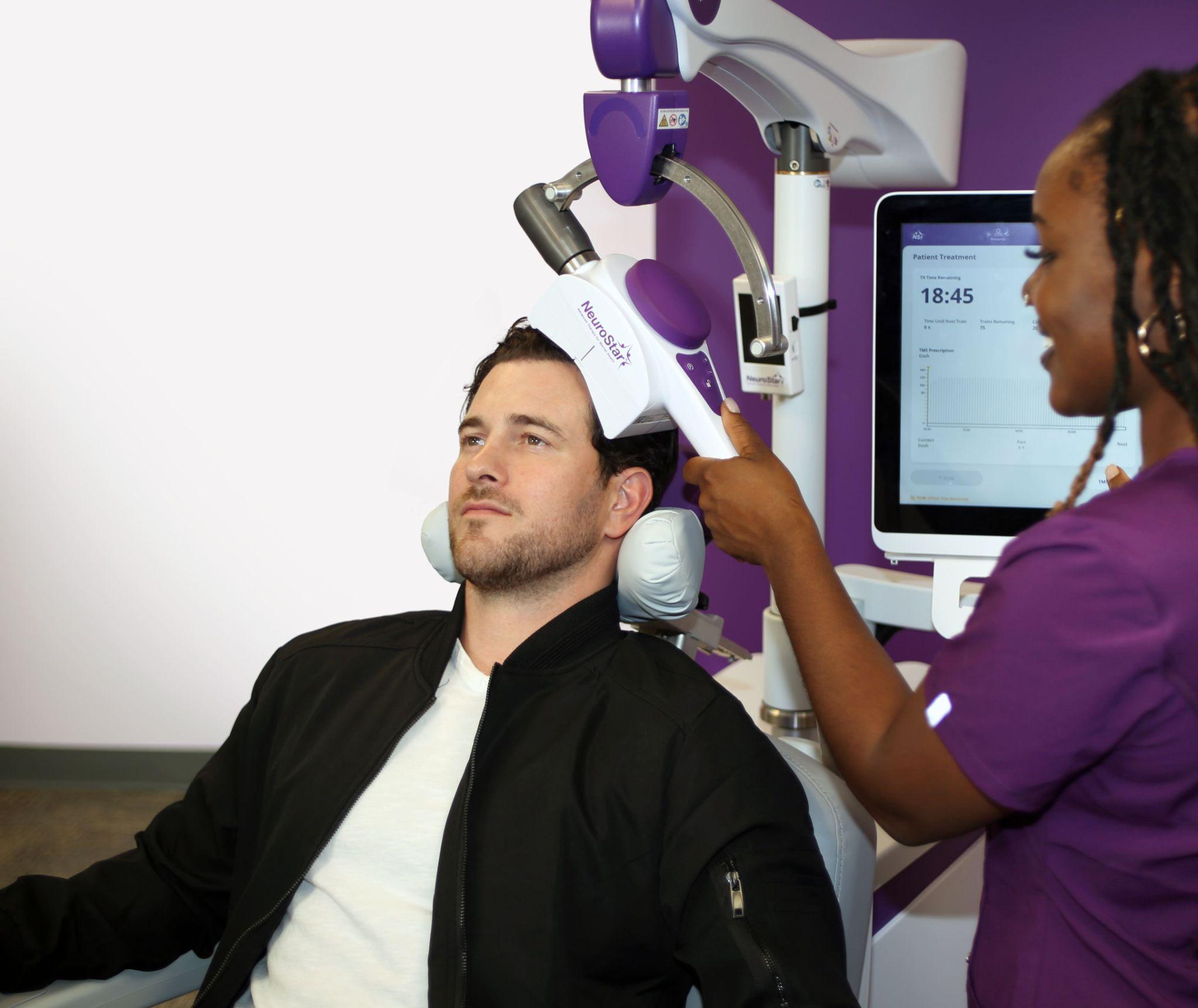
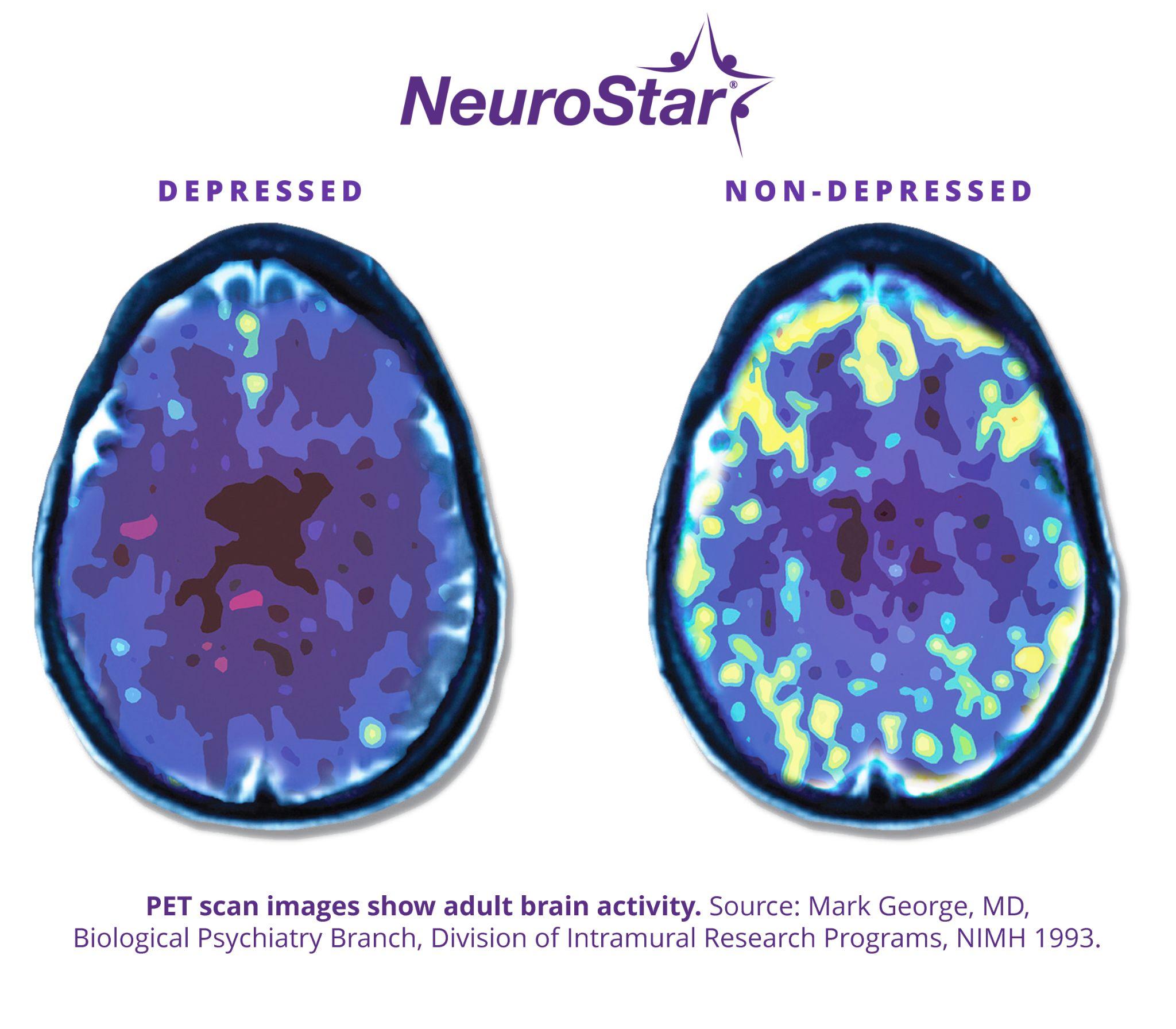
Major depressive disorder remains the most common indication. Think of the Dorsolateral Prefrontal Cortex (DLPFC) as the 'mood thermostat' of your brain. In people with treatment-resistant depression, this thermostat is often stuck in the 'off' position.
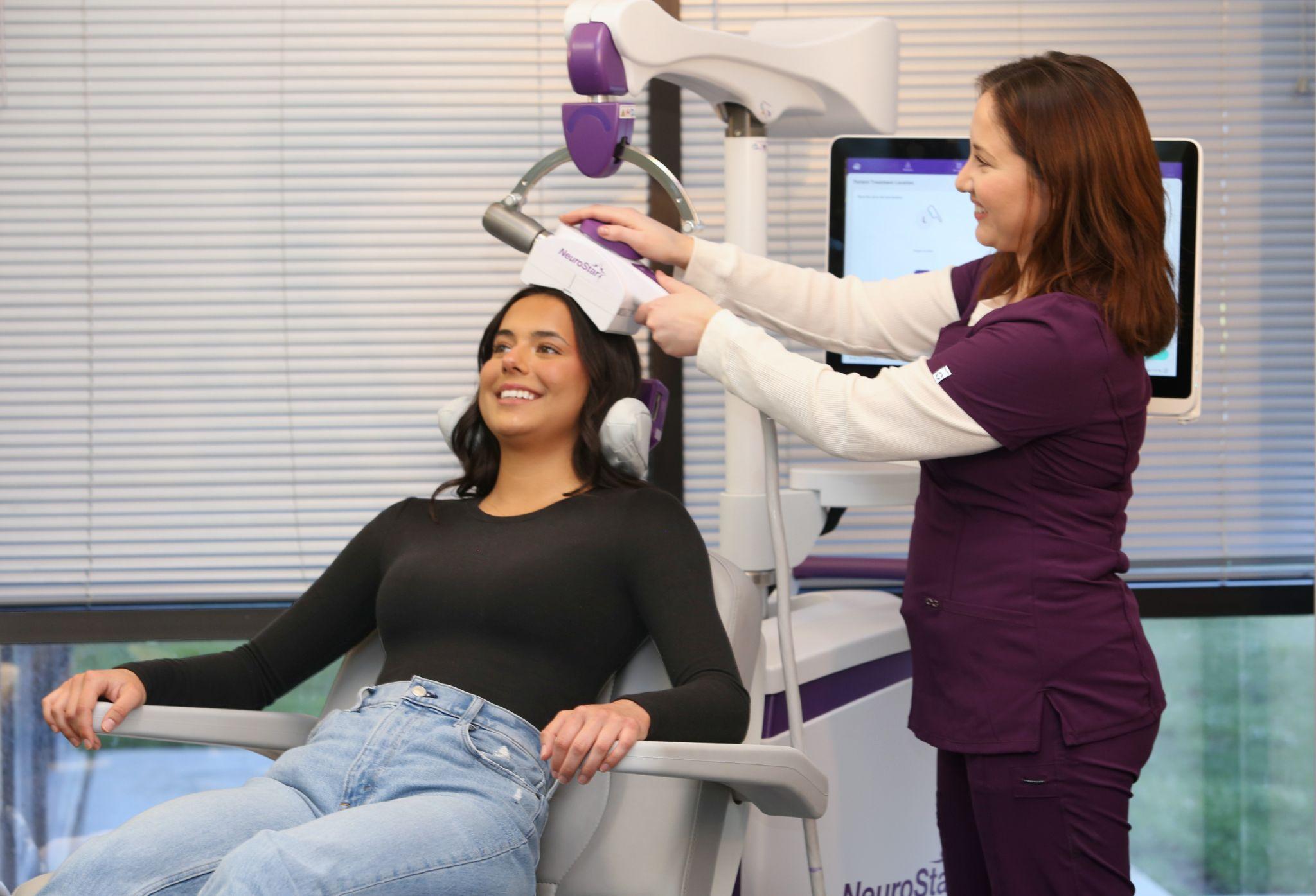
During your session, we place the coil precisely over this area, located near your front hairline, to send magnetic pulses that help 'click' that thermostat back on. When this circuit is underactive, symptoms tend to persist. TMS aims to shift that activity. Gradually.
For obsessive compulsive disorder, a modified approach known as Deep TMS is often used. It reaches deeper neural circuits linked to compulsive behaviors. Studies show meaningful symptom reduction in a subset of patients. Not all, but enough to matter.
Anxious depression refers to major depression accompanied by prominent anxiety symptoms. Clinical trials suggest that a full course of TMS can produce measurable improvements in depression scores in this group. Sometimes modest. Sometimes more noticeable.
These indications are not arbitrary. They are based on clinical trial data and regulatory review. At Sugi Psychiatry & Wellness, clinicians often explain what is TMS treatment in clinical practice and why it is considered a medical procedure rather than a spa treatment.
| Condition | Clinical Characteristics | TMS Approach | Expected Outcome |
| Major Depressive Disorder (MDD) | Persistent low mood, loss of interest, impaired functioning | Standard rTMS targeting dorsolateral prefrontal cortex | Symptom reduction, improved mood regulation |
| Obsessive-Compulsive Disorder (OCD) | Repetitive thoughts and compulsive behaviors | Deep TMS targeting deeper neural circuits | Reduction in compulsive symptoms (varies by patient) |
| Anxious Depression | Depression with significant anxiety symptoms | Modified rTMS protocols | Moderate to significant improvement in mood and anxiety |
What Does Treatment Resistance Mean In Clinical Practice?
Treatment resistance refers to failure of at least two antidepressants and structured psychotherapy during the current depressive episode, confirmed through standardized clinical scales.
In psychiatric practice, treatment resistance is defined using measurable criteria. Most insurers and clinical guidelines require failure of 2, 4 antidepressant medications, often from different pharmacological classes such as SSRIs and SNRIs. According to American Psychiatric Association guidance, adherence must reach at least 80% over an adequate trial period.
Psychotherapy is also required. Patients typically complete 6–12 weeks of evidence-based interventions such as cognitive behavioral therapy. Without documented therapy participation, TMS coverage may be denied even if pharmacological trials have failed.
Severity must be quantified. Clinicians use validated tools such as the Hamilton Depression Rating Scale, where scores above 17 indicate moderate to severe depression. This objective scoring supports medical necessity documentation.
Key clinical benchmarks include:
- Failure of 2–4 antidepressants
- At least 6–12 weeks of psychotherapy
- Moderate to severe symptom severity via validated scales
According to a treatment-resistant depression (TRD) review, treatment resistance is typically defined by a failure to respond to antidepressant medication trials. However, the authors caution that strictly counting medication failures overlooks important non-pharmacological factors, including how the patient experiences the treatment process, which are essential therapeutic components in their own right. – Clinical Psychology Review
These criteria form the backbone of eligibility determinations and insurance authorization processes.
Who Is Not Eligible For TMS Therapy?
Patients with implanted conductive devices, certain neurological risks, or unstable psychiatric conditions are not eligible due to safety concerns related to magnetic fields.
Magnetic stimulation generates rapidly changing magnetic fields, which can interfere with electronic implants or metallic objects. Absolute contraindications include cochlear implants, deep brain stimulators, and intracranial aneurysm clips. These devices can malfunction or heat under magnetic exposure.
Patients with seizure disorders require careful evaluation. Although TMS has a low seizure risk of less than 0.1% per treatment session (reported in NeuroStar clinical data), individuals with epilepsy or prior seizures may face elevated risk.
Neurological conditions such as traumatic brain injury or intracranial lesions also require specialist review. These cases are not automatically excluded but demand individualized assessment.
Absolute contraindications include:
- Cochlear implants
- Implanted neurostimulators or pacemakers
- Ferromagnetic metal within 30 cm of the treatment site
Relative contraindications include:
- History of seizure disorders
- Structural brain abnormalities
- Unstable psychiatric presentations
| Category | Condition | Clinical Implication |
| Absolute Contraindications | Cochlear implants, deep brain stimulators, intracranial metal | High risk due to magnetic interference; TMS not permitted |
| Absolute Contraindications | Implanted electronic devices (e.g., pacemakers) | Potential device malfunction or heating |
| Relative Contraindications | History of seizure disorders | Requires specialist evaluation and risk assessment |
| Relative Contraindications | Structural brain abnormalities | Case-by-case clinical decision |
| Relative Contraindications | Unstable psychiatric conditions | May delay or modify treatment approach |
At Sugi Psychiatry, safety screening is performed before initiating any TMS therapy protocol to ensure clinical appropriateness.
Does Age Affect Eligibility For TMS?
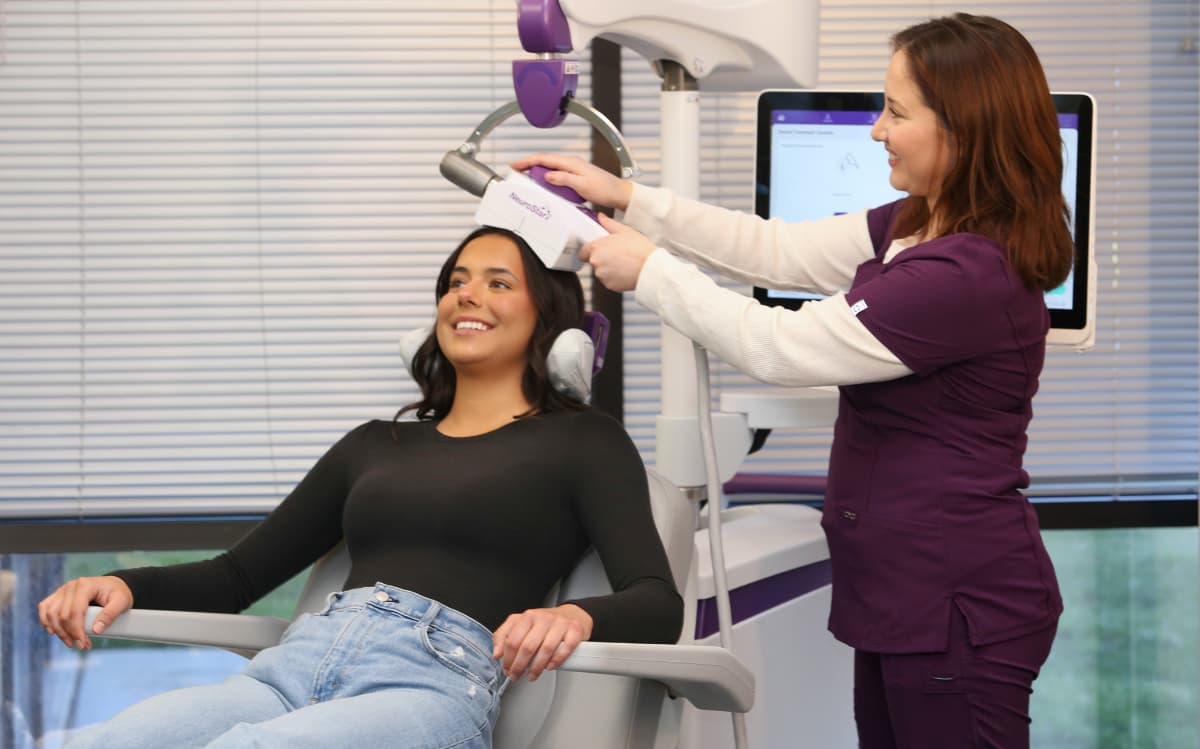
Most TMS therapy candidates are adults aged 18 and older, though FDA-cleared systems now include adolescents aged 15 and above under specific clinical supervision. Historically, transcranial magnetic stimulation was limited to adults. However, recent FDA-cleared expansions now allow treatment in patients aged 15, particularly for major depressive disorder. Patients seeking broader mental health services may also benefit from comprehensive psychiatric evaluation before starting TMS therapy. This reflects growing clinical evidence supporting safety and efficacy in younger populations.
Insurance coverage still varies. Many providers require patients to be 18+, although coverage for adolescents is expanding. Clinical judgment remains central in determining appropriateness.
At Sugi Psychiatry, adolescent patients are evaluated within structured psychiatric programs to ensure safe and effective application of brain stimulation therapies.
How Insurance Determines TMS Eligibility

Insurance providers require documented medical necessity, including failed treatments, therapy participation, and standardized severity scores.
Insurance approval for NeuroStar TMS therapy is highly structured. Most providers follow the “rule of two,” requiring at least two failed antidepressant trials before authorizing treatment, which is also commonly discussed in clinical overviews of transcranial magnetic stimulation therapy and insurance qualification standards.
Documentation must include medication names, dosages, and duration.
Psychotherapy documentation is equally important. Insurers often require proof of 6–12 weeks of therapy, including clinical notes. Without this, approval is frequently denied.
Severity scoring must be included. Tools such as the Hamilton Depression Rating Scale or PHQ-9 provide quantifiable evidence of impairment.
Approval requirements include:
- 2–4 failed medications
- Documented psychotherapy
- Standardized severity scores
| Criteria | Documentation Required |
| Medication failure | Clinical records of trials |
| Therapy | Session notes (6–12 weeks) |
| Severity | Scale-based assessment |
These requirements directly influence TMS coverage, while also affecting the overall TMS treatment cost and reimbursement approval timelines for eligible patients. Accurate documentation remains essential throughout the authorization process.
Can Eligible Patients Still Fail To Respond?
Yes, clinical eligibility does not guarantee response due to anatomical and technical factors affecting magnetic field delivery.
The effectiveness of repetitive transcranial magnetic stimulation (rTMS) depends on precise targeting of the dorsolateral prefrontal cortex. Variations in skull thickness and scalp-to-cortex distance can reduce effective stimulation intensity.
"A 2025 study in Acta Neurochirurgica confirmed that anatomical factors significantly impact stimulation, finding that skull-to-cortex distance was a primary driver of variability in motor threshold calibration (p < 0.001). The research highlights the need for consideration of these variables, noting that resting motor threshold values can range from as low as 15% to as high as 86% of stimulator output depending on individual anatomy and physiology." – Acta Neurochirurgica
Motor threshold calibration is another critical factor. If the stimulation dose is incorrectly set, the treatment may fail to activate target neural circuits. Studies in Brain Stimulation Journal report that inaccurate calibration contributes to non-response in a subset of patients.
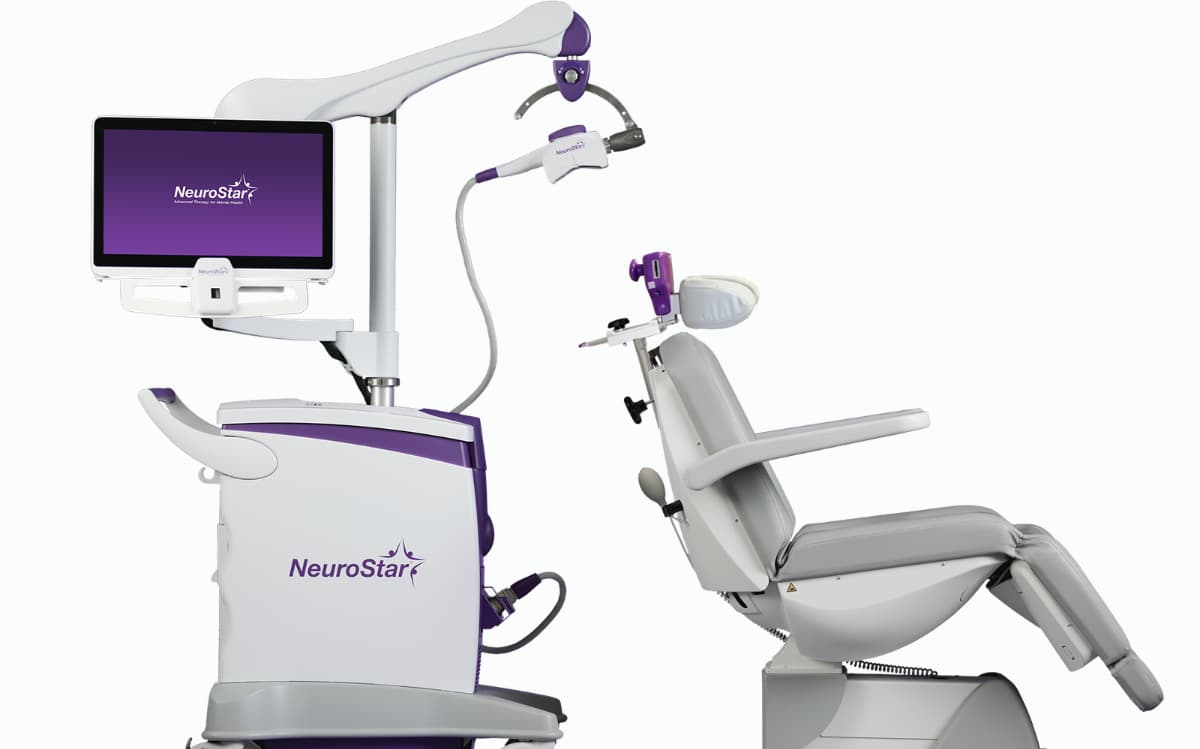
Technology also matters. Devices using a Figure-8 Coil provide focal stimulation, while Deep TMS systems use a cushioned helmet to reach deeper brain regions, similar to the clinical approaches used in TMS therapy treatment programs for treatment-resistant psychiatric conditions. Differences in device type and treatment protocols may also influence overall TMS treatment cost. Each approach has specific clinical applications.
Key variables include:
- Anatomical differences in brain structure
- Accuracy of motor threshold calibration
- Coil positioning and targeting precision
Despite these variables, studies show the effectiveness of rTMS remains high, with response rates reaching 83% and remission rates of 62% in treatment-resistant populations.
Hidden Clinical Risks That Affect Eligibility

Certain overlooked factors such as metallic pigments, undiagnosed bipolar disorder, and device interactions may alter eligibility despite meeting standard criteria.
Iron-containing pigments in permanent makeup or tattoos can interact with magnetic fields, potentially causing localized heating. While rare, this risk is documented in device safety literature.
Undiagnosed bipolar disorder presents another concern. Patients initially diagnosed with depression may experience mood destabilization during brain stimulation, particularly if manic features are present. This requires thorough psychiatric evaluation.
Medication interactions must also be reviewed. Certain drugs that lower seizure threshold may influence eligibility or require protocol adjustments.
Important overlooked risks include:
- Iron oxide in cosmetic tattoos
- Undiagnosed bipolar spectrum disorders
- Medications affecting seizure threshold
At Sugi Psychiatry, comprehensive screening protocols are used to identify these variables before initiating treatment.
TMS Eligibility Criteria At A Glance
Patients are considered eligible if they meet diagnostic, treatment resistance, and safety criteria confirmed through clinical evaluation.
Eligibility for transcranial magnetic stimulation is determined by a structured assessment combining psychiatric diagnosis, treatment history, and safety screening . Patients must demonstrate treatment resistance, meet severity thresholds, and have no contraindicated implants or neurological risks.
Summary Table
| Offering | Details & Limitations |
| TMS for MDD, OCD, Anxious Depression | FDA-cleared, non-invasive, whole-person care |
| Combined Therapy Use | Integrates with medication & psychotherapy |
| Office-Based, No Anesthesia | No sedation required |
| Wide Insurance Coverage | Requires prior medication failure |
| Exclusion Criteria | Conductive metal, brain implants, seizure history |
| Not First-Line Treatment | Reserved for treatment-resistant cases |
Who Is Eligible For TMS Treatment: What It Really Comes Down To
You’re stuck dealing with symptoms that don’t ease up, even after trying meds or therapy, and it starts to wear you down fast. It’s frustrating. TMS isn’t about preference, it’s about whether your diagnosis and past treatment response meet clear medical criteria.
That’s where Sugi Psychiatry & Wellness steps in with a more direct path forward. Their team evaluates whether TMS actually makes sense for you, then guides treatment in a way that stays connected to your overall care. It’s a practical next step if nothing else has worked.
If you’re wondering whether you qualify for TMS therapy, schedule a consultation with Sugi Psychiatry & Wellness to explore your options and get a personalized evaluation from their care team.
FAQs
Can TMS therapy help people with Obsessive-Compulsive Disorder who have not improved with other treatments?
TMS therapy can be considered for people with Obsessive-Compulsive Disorder who show clear treatment resistance. It uses transcranial magnetic stimulation to target brain areas involved in repetitive thoughts and behaviors. Doctors assess mental health history, symptom severity, and past treatments before recommending it. This option is usually considered when standard therapies have not provided enough relief.
What role does the Hamilton Depression Rating Scale play in TMS eligibility decisions?
The Hamilton Depression Rating Scale helps clinicians measure the severity of depressive symptoms before and during treatment. It provides a structured way to track changes in major depressive disorder over time. While it does not decide eligibility alone, it supports clinical judgment about treatment resistance, progress, and whether TMS therapy is appropriate for a patient’s mental health needs.
Does TMS coverage require proof of treatment resistant depression?
TMS coverage often requires proof of treatment resistant major depressive disorder. Insurance providers usually ask for records showing that multiple treatments, such as medication or therapy, did not work well. They may also review the duration and severity of depressive symptoms. Meeting these requirements helps determine whether transcranial magnetic stimulation is approved as part of a patient’s care plan.
How do magnetic fields used in TMS therapy affect the brain during sessions?
Magnetic fields used in TMS therapy pass through the scalp to stimulate specific brain regions linked to mood and behavior. This type of brain stimulation can help adjust activity in neural circuits associated with depressive symptoms. The process is non-invasive and does not require surgery. Sessions are monitored closely to ensure safety and to track changes in mental health response.
References
- https://www.sciencedirect.com/science/article/pii/S0272735825000832
- https://pmc.ncbi.nlm.nih.gov/articles/PMC12672853/