

What Is The Time Frame For TMS? Transcranial Magnetic Stimulation (TMS) treatment usually takes about 6 to 9 weeks from the first appointment through the final taper sessions for most people with treatment-resistant depression.
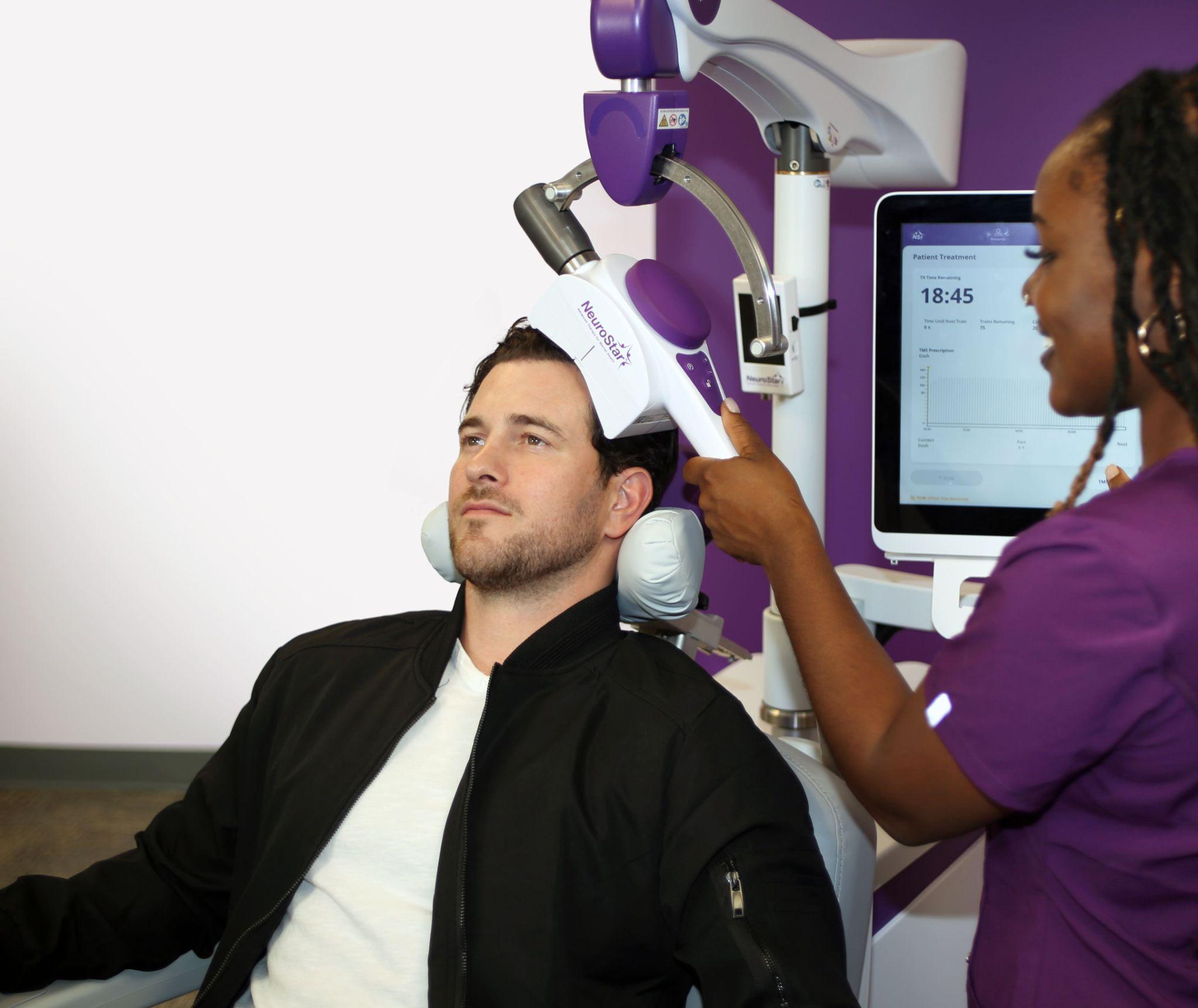
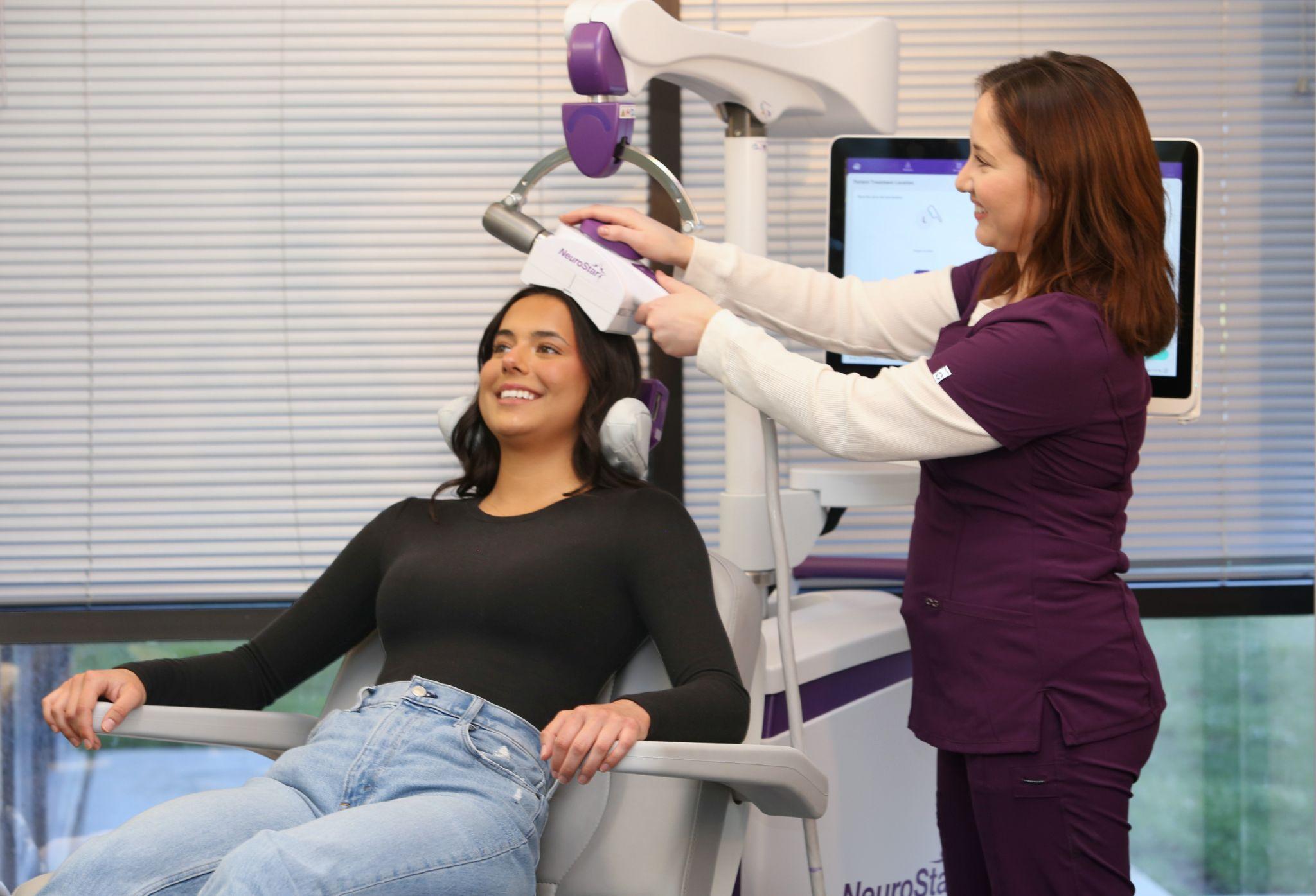
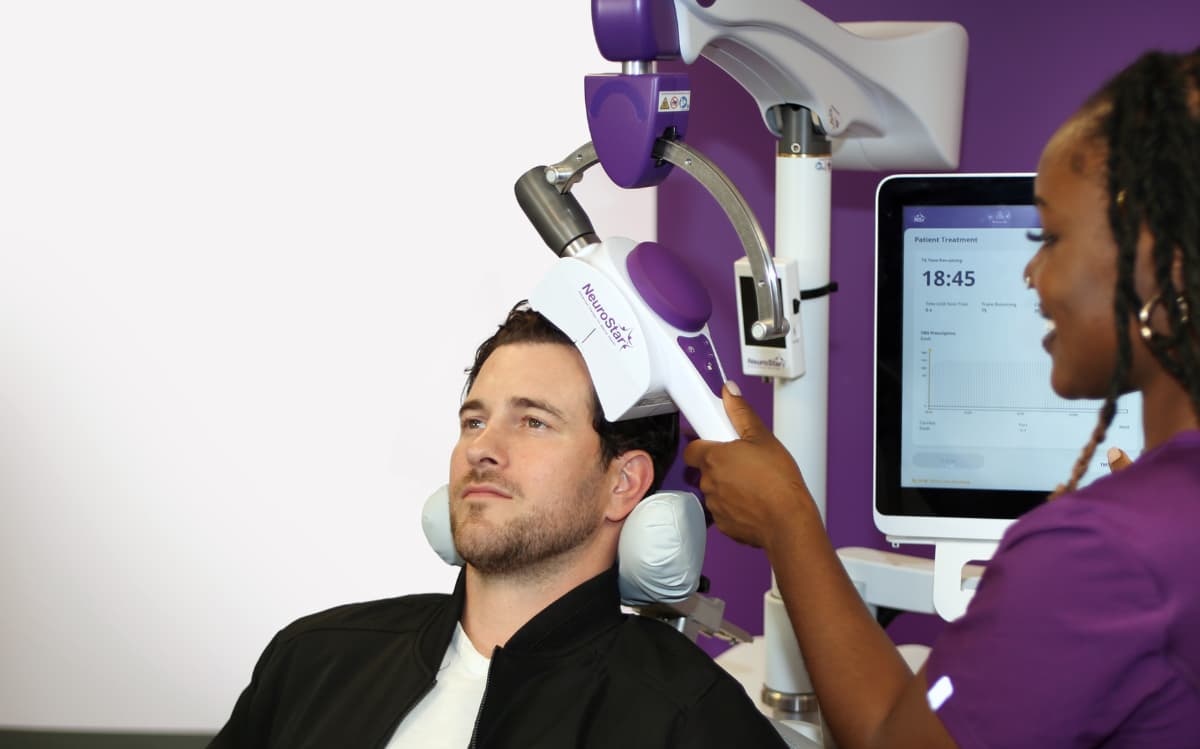
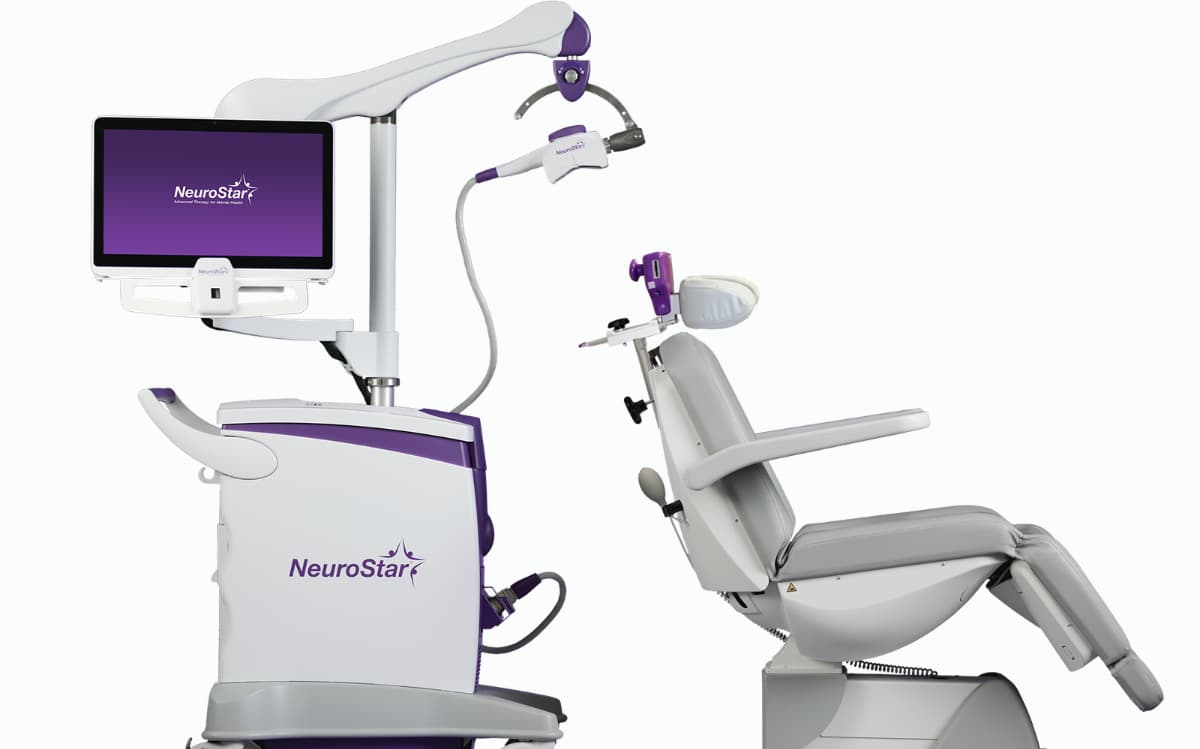
NeuroStar, an FDA-cleared TMS system, is widely used for Major Depressive Disorder (MDD), anxious depression, and obsessive compulsive disorder when antidepressant medications have not provided enough relief. TMS does not create immediate symptom changes after one session.
Instead, it gradually stimulates brain regions linked to mood regulation over several weeks. At Sugi Psychiatry, TMS is part of a broader psychiatric treatment plan that may also include psychotherapy and medication management. Keep reading for a realistic breakdown of the full TMS timeline and when most patients begin noticing changes.
Key Takeaways
- Most TMS plans last 6-9 weeks including taper sessions
- Many patients notice gradual improvement around Weeks 4-6
- NeuroStar is FDA-cleared for MDD, OCD, and anxious depression
Most TMS Treatment Plans Last Longer Than People Expect
A lot of patients hear “six weeks” and assume treatment will be finished by then. That is not always how it works in real clinical settings.
Most TMS treatment plans include an acute phase followed by taper sessions. The acute phase is the part where patients come in most often, usually five days per week. After that, visits are slowly reduced over another few weeks instead of stopping all at once.
Most patients complete between 20 and 36 sessions. The exact number depends on several things, including symptom severity, prior medication history, insurance approval, and how the patient responds during treatment.
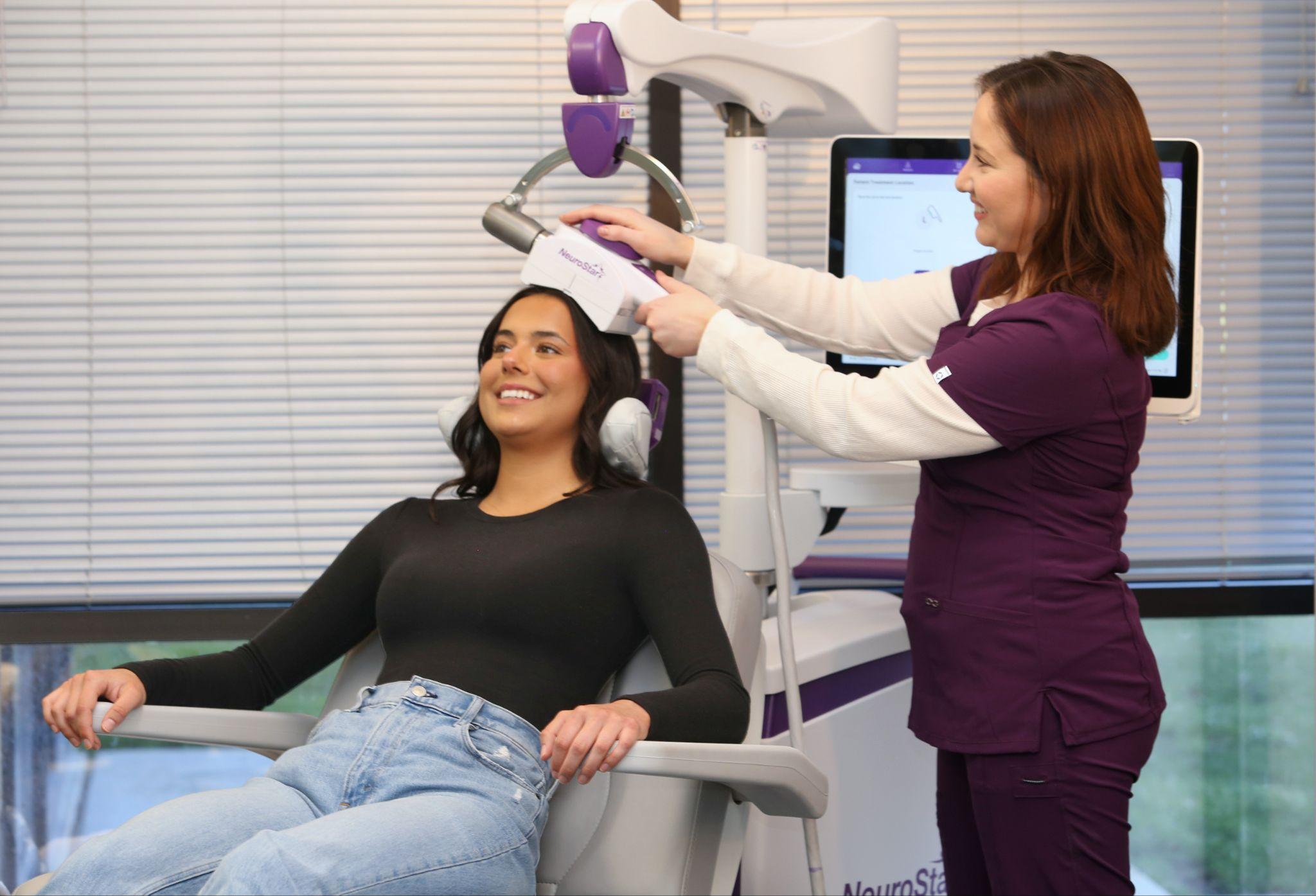
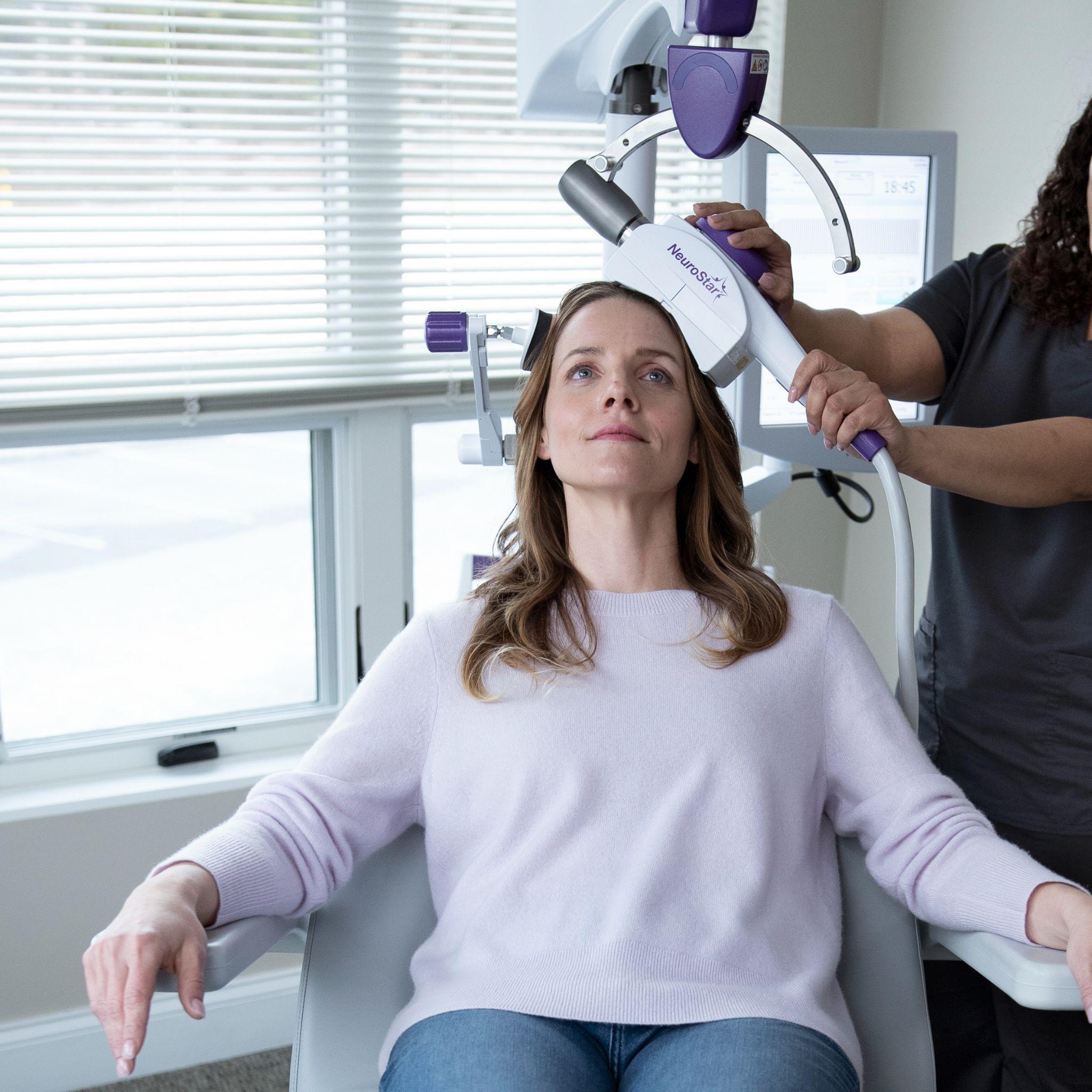
At Sugi Psychiatry, NeuroStar TMS treatments are done in an outpatient office setting using standardized protocols aligned with NeuroStar TMS Therapy, ensuring consistent clinical delivery across treatment sessions.
Patients stay awake during treatment. No anesthesia or sedation is needed. Most people drive themselves home afterward and continue with normal daily activities.
Treatment length also depends on the stimulation protocol being used.
Traditional high-frequency TMS sessions may last between 20 and 40 minutes. Newer protocols such as Theta Burst Stimulation can shorten the daily session to around 3 minutes.
Most treatment schedules include:
- Five sessions per week
- Gradual increases in stimulation intensity
- Motor threshold testing and adjustments
- Taper sessions after the main phase ends
TMS works slowly compared with what many patients expect. The treatment depends on repeated stimulation over time. It is not designed to create immediate symptom relief after one or two sessions.
The “6 Week Timeline” Is Only Part of the Story
Many clinics describe TMS as a six week treatment. That description leaves out an important part of the process.
For many patients, treatment continues after the acute phase ends, and overall planning may also take into account practical considerations such as TMS Treatment Cost when extending care into taper sessions.
The first phase of treatment usually lasts about 4 to 6 weeks. Taper sessions often continue for another 2 to 3 weeks after that. During tapering, treatment frequency is reduced slowly. For example, a patient may go from five sessions weekly down to three, then two.
Some psychiatrists use taper sessions to help stabilize improvement before treatment fully stops.
Patients also do not always notice their biggest improvements during the active phase itself. Some continue feeling better several weeks after their last session. Delayed improvement is fairly common in TMS treatment.
This is one reason psychiatrists continue monitoring symptoms even after the treatment course is completed.
Most Patients Do Not Feel Better During The First Two Weeks

This part of treatment catches many patients off guard.
A lot of people start TMS hoping they will feel dramatically different within the first week or two. Most do not.
Early treatment is focused on repeated stimulation of mood-related brain circuits. Changes in those networks happen gradually.
“Unlike electroconvulsive therapy (ECT), TMS does not induce a seizure or require sedation, and improvement usually develops gradually over multiple treatment sessions rather than immediately.” – Harvard Medical School
Some patients notice subtle improvements first. Others notice very little early on.
Small early changes may include:
- Sleeping better
- Waking up with slightly more energy
- Less daytime sleeping
- Better concentration
- Reduced mental fog
These changes can happen before mood improves in a noticeable way.
At Sugi Psychiatry, patients are monitored closely during the early phase because temporary fluctuations can happen before improvement develops. Some patients report feeling more tired, emotionally flat, or irritable during the first several weeks.
That does not automatically mean treatment is failing.
The First Month Often Feels Slower Than Expected
The first month of TMS often feels repetitive. Patients come in daily, sit through treatment, then go home without feeling a major emotional shift yet.
That can be discouraging.
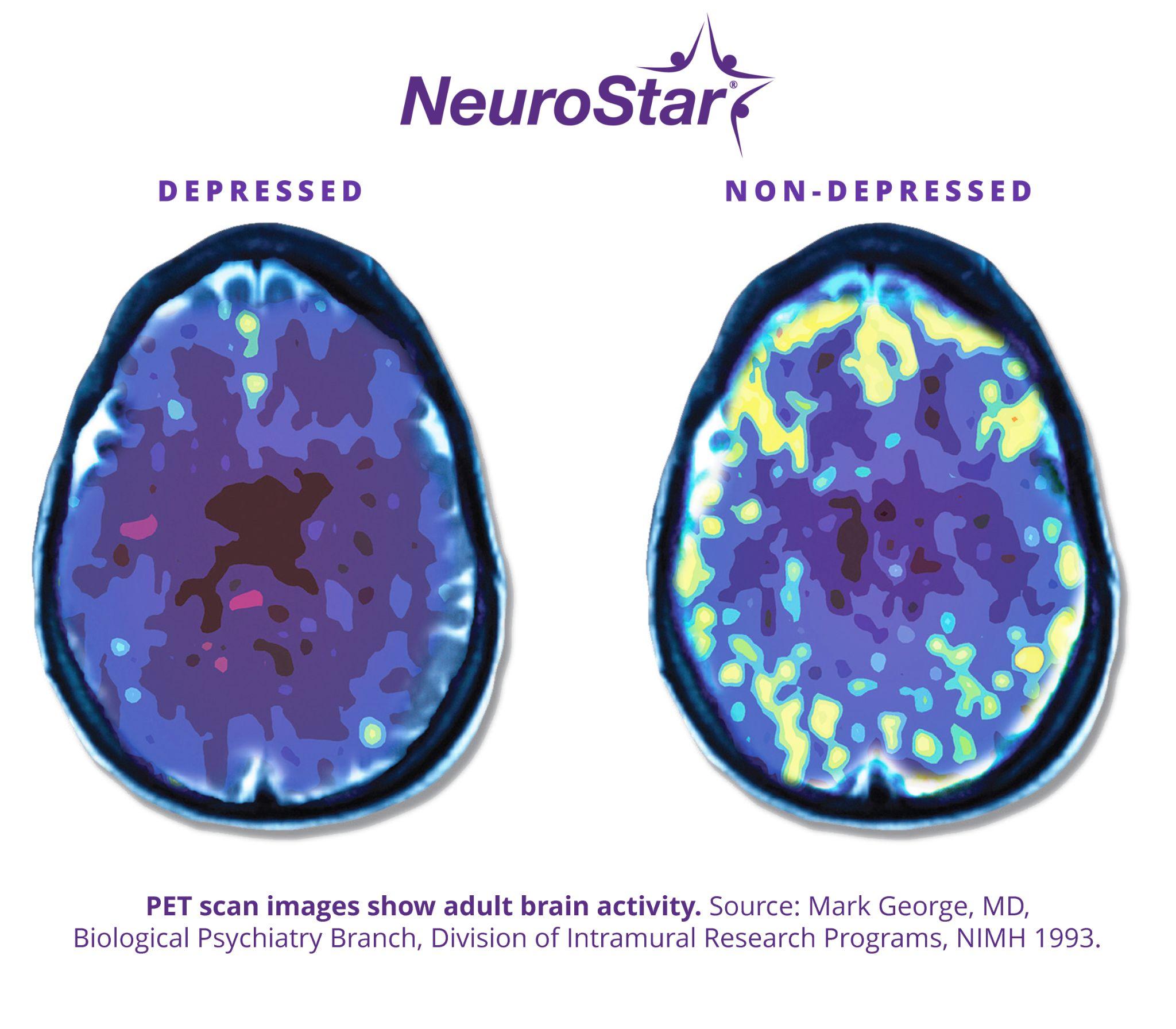
Most depression-focused TMS protocols target an area called the dorsolateral prefrontal cortex, or DLPFC, and are used within FDA-cleared TMS Conditions that define how TMS is applied for specific psychiatric disorders.
Repeated stimulation changes activity in this area over time. The process is gradual.
Some patients also develop mild side effects early in treatment. These effects are usually temporary and improve as treatment continues.
“Micro Lifts” Usually Appear Before Major Mood Changes

Many patients notice small day-to-day improvements before they notice major emotional relief.
Clinicians sometimes describe these as functional gains.
Patients may start:
- Replying to messages again
- Showering more regularly
- Leaving the house more often
- Completing chores
- Sleeping less during the day
- Missing fewer appointments
These changes can seem minor, but they matter clinically. Improvement in motivation and executive functioning often appears before patients describe feeling “happy” again.
The timeline below reflects common experiences during standard TMS treatment.
| Timeline | Common Experiences |
| Weeks 1-2 | Fatigue, minimal mood change, possible emotional worsening |
| Weeks 3-4 | Improved sleep, better concentration, slightly increased energy |
| Weeks 5-6 | Noticeable emotional stabilization and reduced depressive symptoms |
| After Treatment | Continued symptom improvement and cognitive recovery possible |
Not every patient follows the same timeline. Some improve earlier. Others improve closer to the end of treatment or during taper sessions.
The “Dip” Is One of the Most Searched TMS Experiences
Some patients go through a rough stretch during TMS treatment. This is often called “the dip” in online support groups and patient forums.
It usually happens sometime during Weeks 2 through 4, though not everyone experiences it.
Patients may notice:
- More fatigue
- Feeling emotionally flat
- Increased irritability
- Lower motivation
- Temporary worsening of depression symptoms
This part of treatment can be discouraging. A patient may be attending sessions every day but still feel emotionally stuck, or even worse for a short period.
What matters is that early worsening does not always mean the treatment is failing.
Some patients who struggle in the middle of treatment still improve later on.
At Sugi Psychiatry, symptom changes are followed closely during treatment. If symptoms become more severe, clinicians may review sleep, medications, anxiety symptoms, treatment settings, or outside stressors that could be affecting recovery.
Neuroplasticity Explains Why TMS Takes Time To Work

TMS does not work like a sedative or fast-acting medication.
The treatment depends on neuroplasticity, which is the brain’s ability to change and reorganize itself over time. Repeated magnetic stimulation affects brain networks linked to mood, motivation, and emotional regulation.
Most depression protocols target the left dorsolateral prefrontal cortex, often shortened to DLPFC. This area helps control focus, emotional processing, planning, and decision-making.
TMS Results Often Depend on More Than the Machine Itself

The machine itself is only one part of treatment.
Outcomes can also be affected by sleep, anxiety symptoms, stress levels, medication changes, and treatment consistency.
Treatment consistency matters quite a bit. Patients who miss repeated sessions may take longer to improve because stimulation becomes less consistent.
Clinical accuracy matters too. Small changes in coil positioning can affect which brain regions receive stimulation.
At Sugi Psychiatry, TMS is used as part of a broader psychiatric treatment plan. Some patients continue therapy, medication management, sleep treatment, or anxiety treatment during the TMS process.
Depression usually involves more than one factor, so treatment plans are often layered rather than built around one intervention alone, often integrated with ongoing Mental Health Services to support sleep, anxiety, and emotional regulation alongside TMS.
Early Progress Can Predict Long Term Response
Many psychiatrists check symptom changes closely around the tenth treatment session.
Studies suggest that patients showing very little improvement by this stage may be less likely to have a strong response later in treatment. That does not mean improvement cannot happen, but it may lead clinicians to reassess parts of the plan.
“early symptom reduction during the first weeks of rTMS follows a clear response trajectory and predicts later treatment outcomes.” – Psychiatry Research
Patients should also remember that TMS is designed as a gradual treatment. In some cases, clinicians adjust the protocol, coil positioning, or stimulation intensity to improve treatment response. Looking for major emotional improvement after only a few sessions often creates frustration early on.
Real Change With TMS Usually Takes Time
When depression has been dragging on for months, it’s easy to want fast results. Most people notice small shifts first, better focus, improved sleep, getting through the day with less effort. That’s usually how progress starts. The hard part is sticking with treatment long enough to see those changes build.
At Sugi Psychiatry & Wellness, TMS is part of a broader support plan built around your actual needs, not a one-size-fits-all fix. If medication hasn’t helped enough, getting a professional evaluation can give you a clearer next step and help you decide whether TMS makes sense for your situation.
FAQs
How many TMS sessions are usually required?
Most full-course TMS therapy plans involve 20 to 36 sessions completed over several weeks. A standard TMS weekly schedule usually includes five sessions per week during the acute treatment phase.
The total number of TMS sessions depends on depression severity, previous medication trial effects, treatment response, and individual symptoms. Some patients also continue with TMS maintenance sessions after completing the initial treatment course.
Does session length vary between different rTMS protocols?
Yes. Session length for TMS depends on the rTMS protocol being used. Traditional high-frequency rTMS sessions often last between 20 and 40 minutes. Theta-burst stimulation duration is usually much shorter and may take about three minutes per session.
Deep TMS session time can also vary based on stimulation settings, cortical target location, and overall TMS brain stimulation parameters selected during treatment planning.
What happens during TMS preparation and setup phases?
Before treatment begins, clinicians complete several TMS preparation steps, including TMS motor threshold mapping and psychiatric evaluation. These setup phases help determine safe stimulation intensity, coil positioning, and the correct cortical target for treatment.
Providers may also review TMS patient factors such as anxiety symptoms, medication history, sleep quality, age disease impact, and prior response to depression treatment before finalizing the TMS implementation timeline.
Can accelerated TMS shorten the full treatment timeline?
Some clinics offer accelerated TMS protocol schedules that compress treatment into several accelerated TMS days using multiple TMS daily sessions. The SAINT TMS approach is one example of this model.
Although accelerated scheduling may shorten the overall TMS therapy timeline, emotional recovery still develops gradually for many patients. Clinical TMS Society guidelines still support standard outpatient scheduling for many cases of treatment-resistant depression and major depressive disorder.
How long does it take for TMS symptom relief to appear?
TMS response time varies between patients. Some individuals notice early improvements in sleep, energy, concentration, or anxiety reduction within the first few weeks. Others require more weeks for TMS to work before meaningful mood improvement becomes noticeable.
The TMS symptom relief timeline is affected by treatment consistency, medication trial history, cortical excitability, symptom severity, and other individual symptoms related to depression.
References
- https://www.health.harvard.edu/blog/transcranial-magnetic-stimulation-for-depression-2018022313335
- https://www.sciencedirect.com/science/article/abs/pii/S0165178124002646