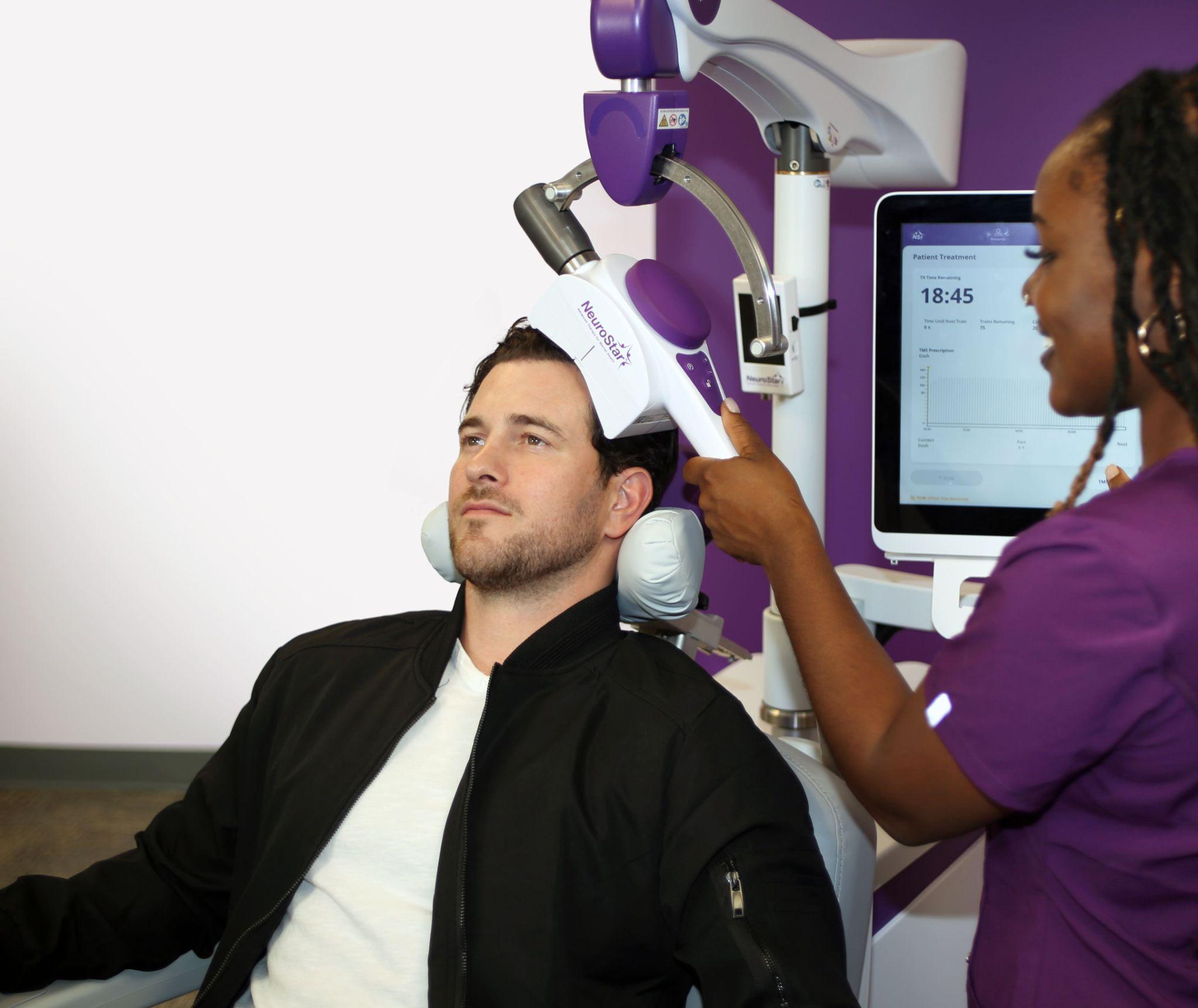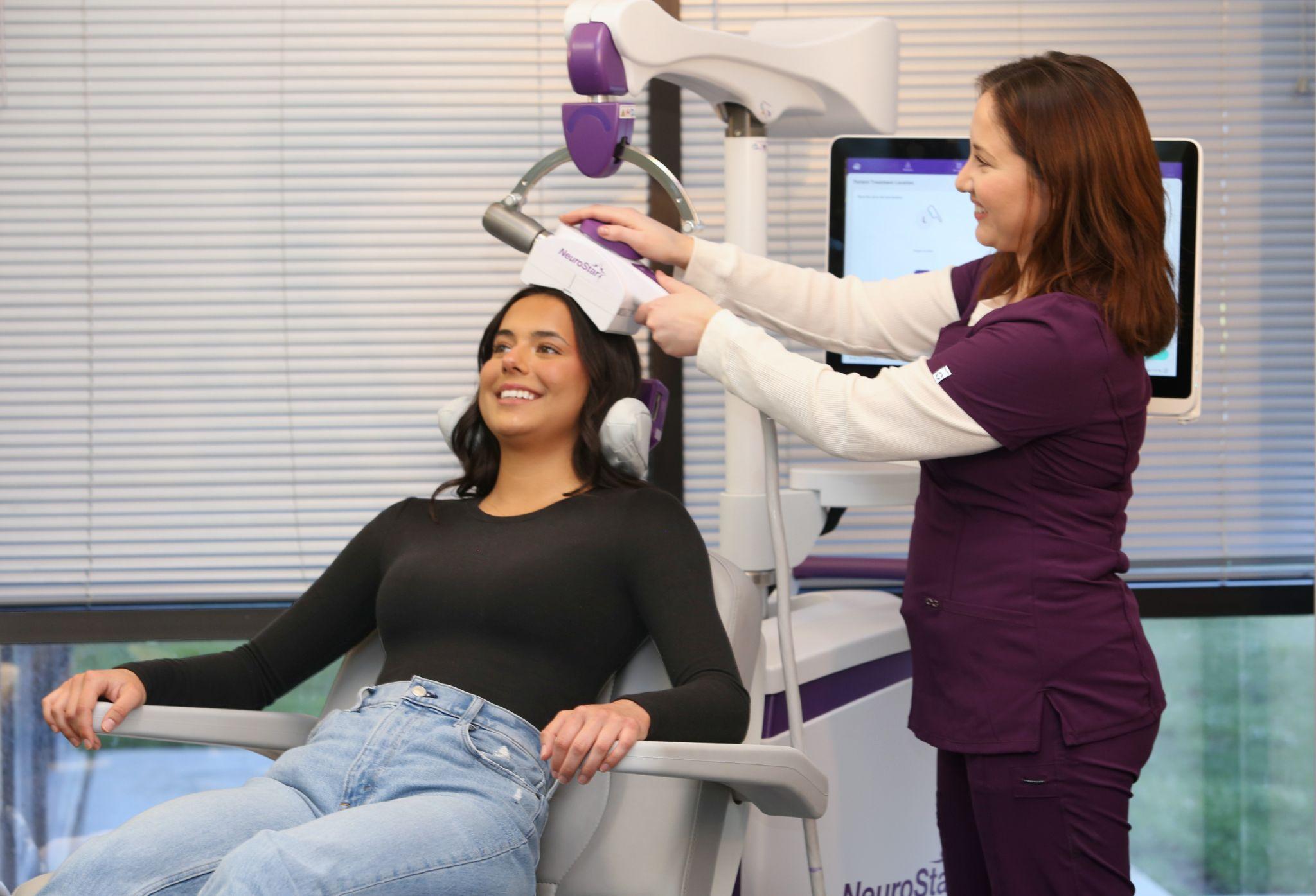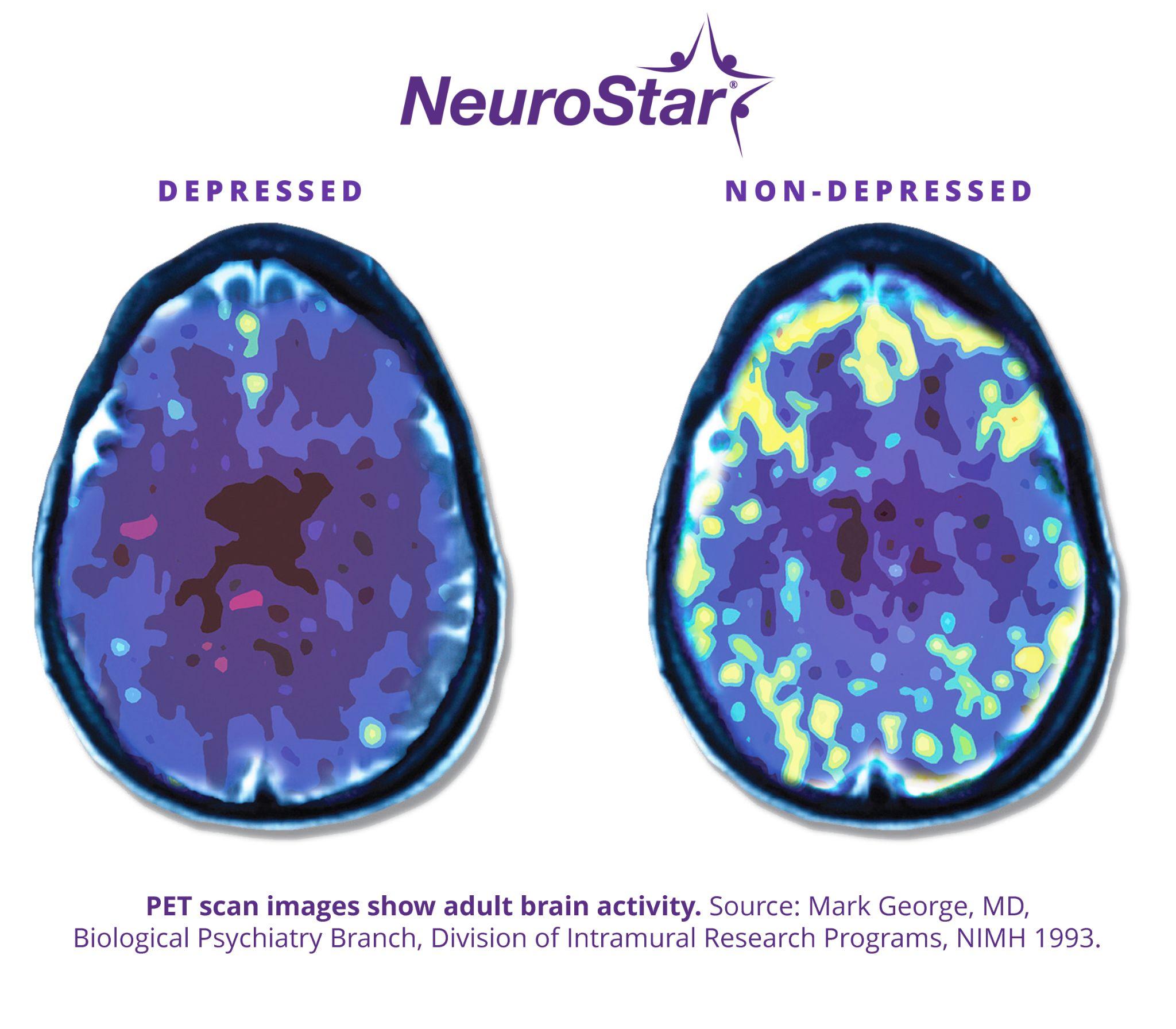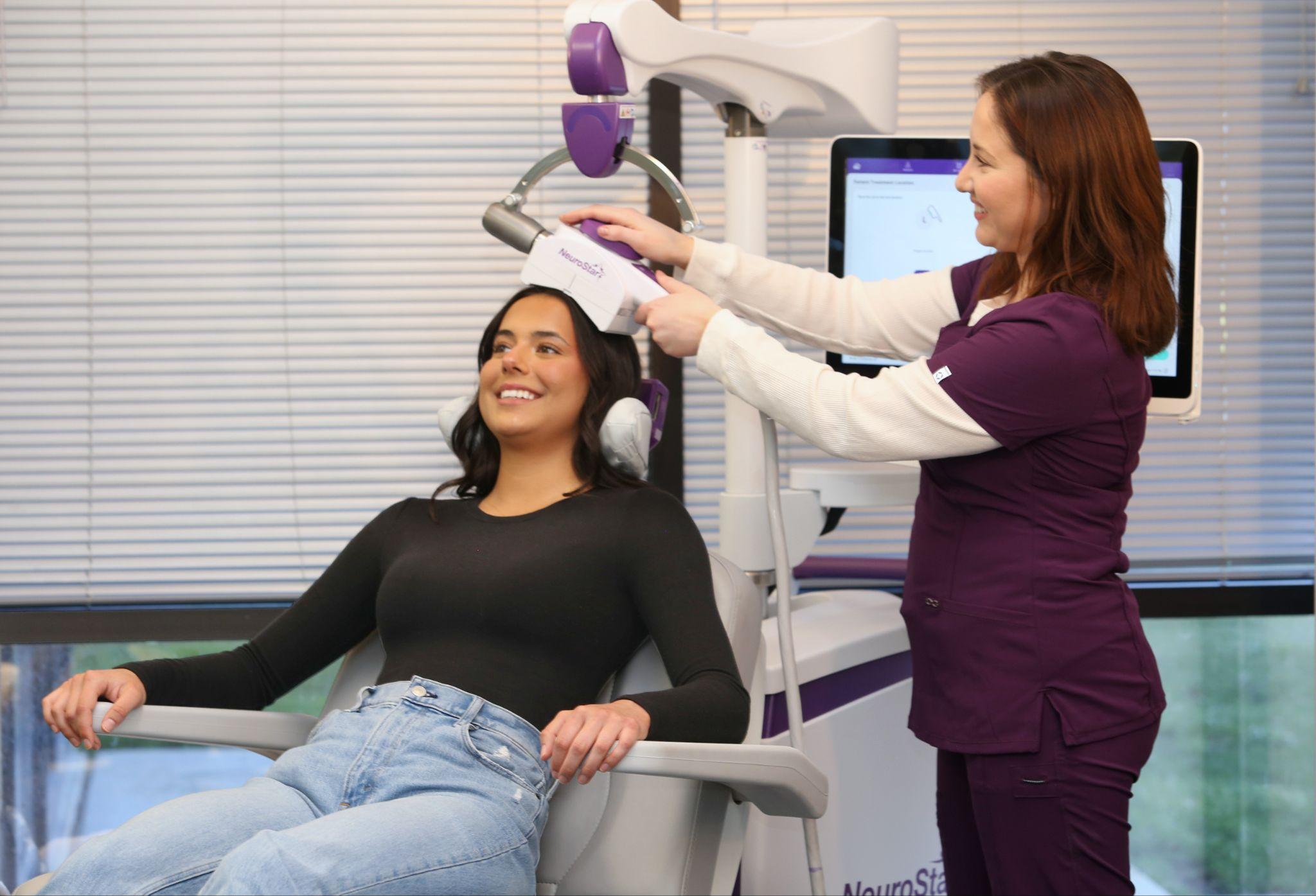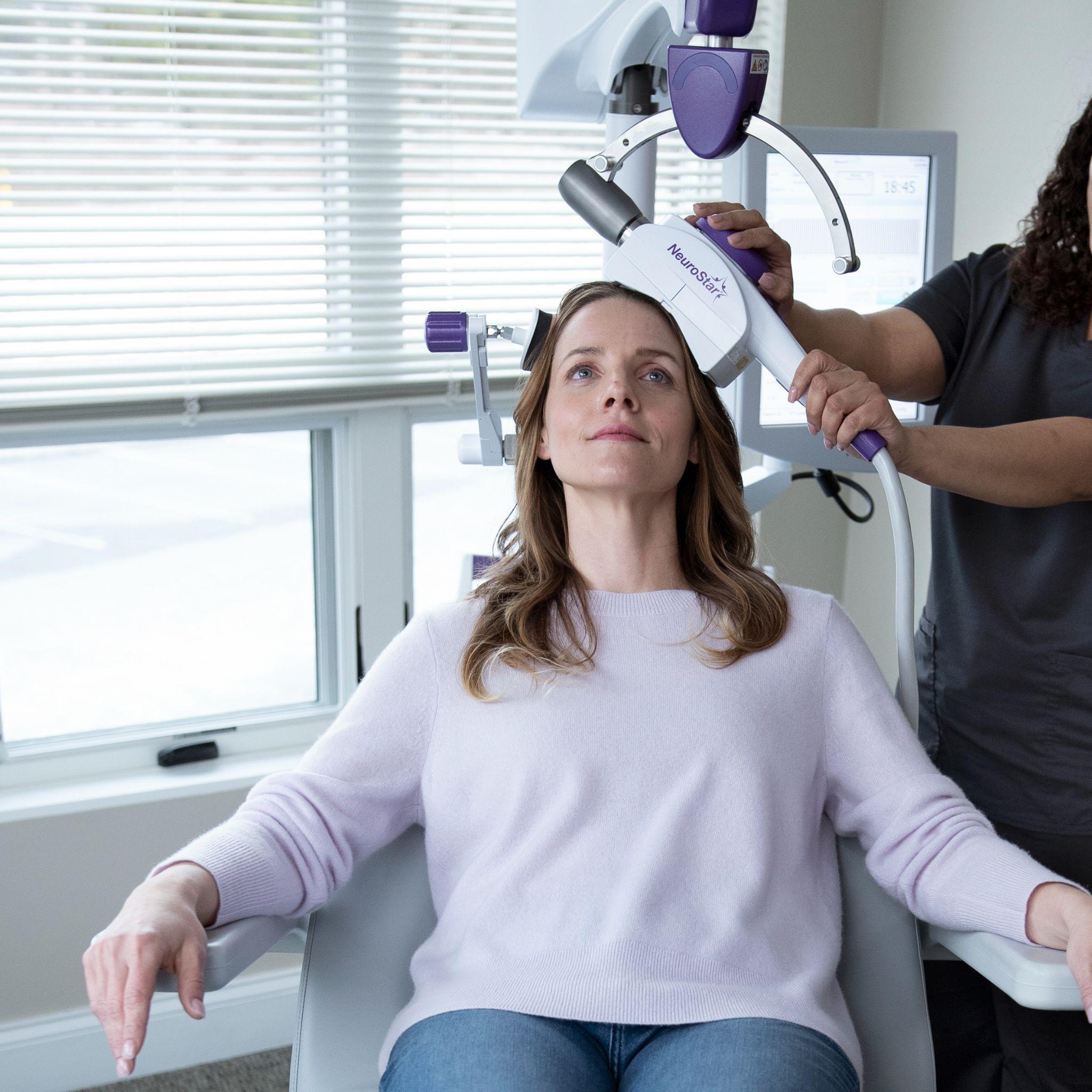


Transcranial magnetic stimulation (TMS) helps many people with depression that has not improved with medication. When people ask about the success rate of TMS therapy, studies show that about 50–60% of patients experience meaningful symptom improvement, while 30–40% achieve remission, meaning their symptoms become minimal or resolve completely.
TMS is often considered after one or more antidepressants have not provided enough relief. While results vary from person to person, clinical research and real-world treatment data show that TMS can be an effective option for many individuals with treatment-resistant depression.
Continue reading to learn what influences TMS success rates and what the research shows.
Key Takeaways
- It works for a majority of people: Around half to two-thirds of patients see a huge drop in their symptoms, and nearly 40% find that their struggles disappear completely.
- The relief stays with you: When you react well to the treatment, you usually get to keep feeling better for months or even longer after your sessions wrap up.
- Everyone's body is different: Your personal medical history and the exact way doctors run the machine will change your results, so keep a sharp eye out for clinics that advertise perfect, sky high success numbers.
Defining a Successful TMS Outcome in Real Patients
A successful TMS outcome generally falls into one of two categories: response or remission. When physicians evaluate depression treatment, they look beyond whether symptoms improve.
They also assess how much improvement occurs and how that improvement affects daily life. This is where the terms response and remission become important.
A patient who responds to treatment may feel noticeably better, return to normal activities, and experience fewer depressive symptoms. Remission represents a higher treatment goal, where symptoms become minimal or no longer interfere with daily functioning.
While remission is ideal, a meaningful response can still have a major impact on quality of life. Many patients report better sleep, improved focus, increased energy, and a greater ability to work, socialize, and manage everyday responsibilities, even if some symptoms remain.
What Is the Difference Between Response and Remission?
| Outcome | Meaning |
| Response | At least 50% reduction in depression symptoms |
| Remission | Symptoms become minimal or absent |
| Partial Response | Meaningful improvement without reaching remission |
| Nonresponse | Minimal or no measurable improvement |
In clinical research, these categories help physicians compare treatments and measure effectiveness. They also help patients develop realistic expectations before starting therapy.
Why Does This Difference Matter?
Many patients improve significantly without reaching full remission. For example, a person may still have some symptoms but notice better sleep, improved focus, more energy, and an easier time handling daily responsibilities. These changes can have a meaningful impact on quality of life.
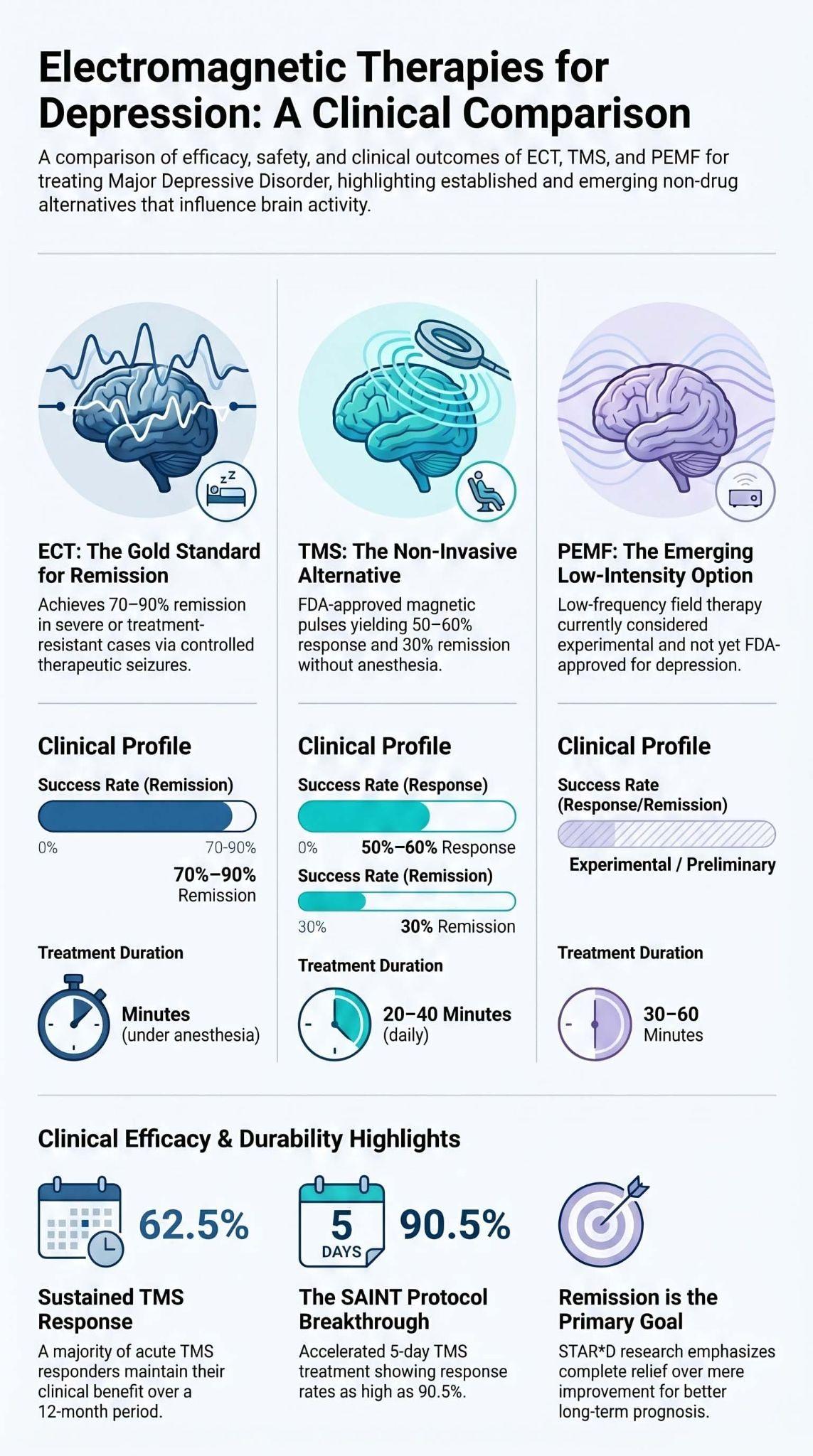
This distinction also helps set realistic expectations. In TMS research, response rates are often around 50% to 60%, while remission rates are closer to 30% to 40%. Understanding the difference between response and remission provides a clearer picture of what treatment success may look like.
Why Do Different Clinics Report Different Success Rates?

Not all TMS success rates are measured or reported in the same way. When patients research TMS, they often encounter very different numbers from one clinic to another.
One provider may report an 80% success rate, while another reports rates closer to 50% or 60%. In many cases, the difference comes down to how success is defined rather than how well the treatment works.
For example, some clinics count any meaningful symptom improvement as a success. Others use stricter measures, such as remission, where depressive symptoms become minimal or largely disappear.
Follow-up periods, patient populations, and treatment protocols can also influence reported outcomes.
Before comparing statistics, it is important to understand exactly what the numbers represent and how they were measured.
Why Do Some Clinics Report 70–80% Success Rates?
Clinics utilizing advanced systems like NeuroStar TMS Therapy track these clinical outcomes closely to help patients map out realistic expectations. Several factors can contribute to higher reported success rates:
- Different definitions of success
- Selected patient populations
- Internal registry data
- Short-term follow-up periods
- Specialized treatment protocols
Some clinics report response rates, while others combine response and partial improvement into a broader success category. A clinic that primarily treats patients with fewer prior treatment failures may also see stronger outcomes than a center focused on highly treatment-resistant cases.
Though many published statistics come from internal patient registries rather than randomized clinical trials, this data can provide valuable insight into real-world outcomes.However, they may not always be directly comparable to results reported in academic research.
What Do Controlled Studies Usually Show?
Across controlled clinical trials and large real-world studies, outcomes tend to fall within a fairly consistent range:
- 50–60% response
- 30–40% remission
These figures have remained remarkably stable across many studies over the past two decades.
One academic-center study reported a 50.6% response rate and a 24.7% remission rate using clinician-rated depression scales. Other large studies have produced similar findings, supporting the view that TMS provides meaningful benefit for many patients with treatment-resistant depression.
When reviewing success rates, patients should ask an important question: Does the number refer to response, remission, symptom improvement, or patient satisfaction? Those categories are not interchangeable, and understanding the difference helps place reported outcomes in proper context.
How Does TMS Compare With Antidepressant Success Rates?
TMS is frequently studied in patients who have already tried and not benefited from one or more antidepressant medications.
As noted by Mayo Clinic,
“Usually is used only when other depression treatments haven't been effective." That distinction matters because treatment-resistant depression becomes increasingly difficult to treat over time, and in general, the likelihood of remission decreases with each unsuccessful medication trial. – Mayo Clinic
How Do Outcomes Compare?
| Treatment | Typical Remission Rate |
| First antidepressant trial | Approximately 25–30% |
| Second antidepressant trial | Lower than first-line treatment |
| Fourth antidepressant trial | Often below 10% |
| TMS after medication failures | Approximately 30–40% |
These numbers help explain why TMS has become an important option for patients whose symptoms persist despite appropriate medication treatment.
Why Is This Important?
Many TMS studies focus on patients with treatment-resistant depression who have not experienced adequate improvement after multiple antidepressant trials. This is an important distinction because treatment outcomes generally become less favorable with each unsuccessful medication trial.
The STAR*D study found that remission rates tend to decline as additional antidepressant treatments are attempted. Despite this challenge, TMS continues to demonstrate meaningful response and remission rates in a population that is often more difficult to treat.
For appropriate candidates, TMS may provide an evidence-based treatment option when standard medication approaches have not achieved the desired clinical outcome.
What Do People Really Mean When They Ask About TMS Success?

Most people are not asking whether TMS works at all. By the time patients begin researching Transcranial Magnetic Stimulation (TMS), many have already tried antidepressants, therapy, or a combination of both. The question they usually want answered is more practical: Will the improvement last?
That concern is understandable. Starting TMS requires time, commitment, and hope. Patients want to know whether the benefits will continue after treatment ends and whether the improvement will be meaningful in everyday life.
For many patients, TMS provides more than a temporary change in symptoms. Clinical studies and real-world experience show that a substantial number of responders continue to do well long after completing an initial treatment course.
At the same time, depression is often a recurring condition, and some individuals may need additional treatment in the future.
Understanding long-term outcomes helps set realistic expectations and provides a more complete picture of what TMS success can look like.
The Long-Term Durability of TMS Treatment Relief
For many patients, the answer is yes. A successful course of TMS can provide symptom relief that lasts for months and, in some cases, more than a year.
Patients who achieve a strong response often report ongoing improvements in mood, motivation, concentration, sleep quality, and daily functioning after treatment ends.
However, TMS is not considered a permanent cure for depression. Like other depression treatments, its effects can vary from person to person. Some individuals remain well for extended periods, while others experience a return of symptoms over time.
Research has shown encouraging long-term outcomes. One naturalistic follow-up study found that approximately 62.5% of patients who responded to TMS maintained their improvement 12 months after treatment.
Understanding what does TMS treatment do to target underactive prefrontal regions helps clarify how these long-lasting changes in neural activity are sustained over time
As noted by the National Institute of Mental Health,
Repetitive TMS delivers pulses in rapid succession because this approach "can produce longer-lasting changes in brain activity" compared to a single pulse alone. – National Institute of Mental Health.
These findings suggest that many patients continue to benefit well beyond the acute treatment phase.
When symptoms return, maintenance sessions or retreatment may help restore symptom control. The need for additional treatment does not mean TMS failed. Instead, it reflects the chronic and often recurring nature of depressive disorders.
What Are Patients Concerned About?
Patients considering TMS often have questions that extend beyond response and remission rates.
Common concerns include:
- Relapse risk
- Time commitment
- Financial considerations
- Durability of improvement
- Whether symptom reduction feels meaningful
Many patients are less interested in percentage scores and more interested in how treatment affects daily life. They want to know whether they will be able to return to work, enjoy relationships, regain motivation, or participate in activities that depression has taken away.
Those questions are important because successful treatment is measured not only by symptom scales but also by meaningful improvements in functioning and quality of life.
The National Institutes of Health has supported research examining long-term outcomes in treatment-resistant depression, reflecting the importance of understanding how durable treatment benefits may be over time.
Why Does “Success Rate” Depend on Which Scale Is Used?
The way researchers measure outcomes can significantly influence reported success rates. When patients read different studies, they may notice that response and remission rates do not always match. In many cases, the difference is not the treatment itself. The difference comes from the measurement tool used to evaluate symptoms.
Depression affects mood, sleep, energy, concentration, appetite, and daily functioning. No single scale captures every aspect of the condition in exactly the same way. As a result, researchers often use several validated assessment tools when studying treatment outcomes.
Which Scales Do Researchers Use?
| Scale | Purpose |
| PHQ-9 | Depression severity |
| HAM-D | Clinician-rated depression symptoms |
| IDS-SR | Patient-reported symptoms |
| CGI-I | Global clinical improvement |
| MADRS | Research-focused depression assessment |
Each tool measures symptom change from a slightly different perspective. Some rely on patient self-reporting, while others are completed by trained clinicians during structured assessments.
How Assessment Scales Influence Reported Success Rates
Different assessment tools can produce different results, even when evaluating the same patient. Someone may meet the criteria for a response on one scale but not on another because each tool measures symptoms in a slightly different way. Some rely more on patient-reported experiences, while others use clinician observations.
As a result, response and remission rates can vary between studies. When reviewing TMS outcomes, it is important to understand which measurement scale was used before comparing results.
Who Has The Best Odds Of Success With TMS?
Several factors are associated with better outcomes after Transcranial Magnetic Stimulation (TMS). While no physician can predict exactly how an individual patient will respond, research has identified patterns that may increase the likelihood of improvement.
TMS is not a one-size-fits-all treatment. Some patients respond quickly, while others improve more gradually over the course of treatment. Success often depends on a combination of clinical factors, treatment adherence, and overall treatment planning.
Patients who complete the full treatment course and remain actively engaged in their care generally have the best opportunity to achieve meaningful symptom improvement. Careful patient selection also plays an important role, which is why a comprehensive psychiatric evaluation is recommended before treatment begins.
What Factors Improve Success Rates?
The following factors are commonly associated with stronger outcomes:
- Fewer prior medication failures
- Consistent treatment attendance
- Completion of the full protocol
- Appropriate diagnosis
- Concurrent psychotherapy when clinically indicated
- Ongoing medication management when appropriate
Several factors consistently predict stronger TMS outcomes. Patients who have had fewer unsuccessful medication trials often respond better than those with a long history of treatment resistance.
Consistent attendance also matters because TMS works through repeated stimulation over time. Completing the full treatment course, participating in psychotherapy when appropriate, and maintaining ongoing psychiatric care may further improve results.
While no factor guarantees success, these variables are commonly associated with better clinical outcomes. Accessing comprehensive mental health services allows patients to integrate their sessions with concurrent psychotherapy or medication management to maximize long-term stability.
Does Age Matter?
Age may influence treatment response, but it does not determine whether TMS will work. Some studies suggest younger adults experience slightly higher response rates, yet many older adults also achieve meaningful improvement.
Overall health, diagnosis, symptom severity, and treatment adherence often play a larger role than age alone. A thorough psychiatric evaluation helps determine whether TMS is an appropriate option regardless of age.
The Outpatient Commitment Behind Standard TMS Protocols
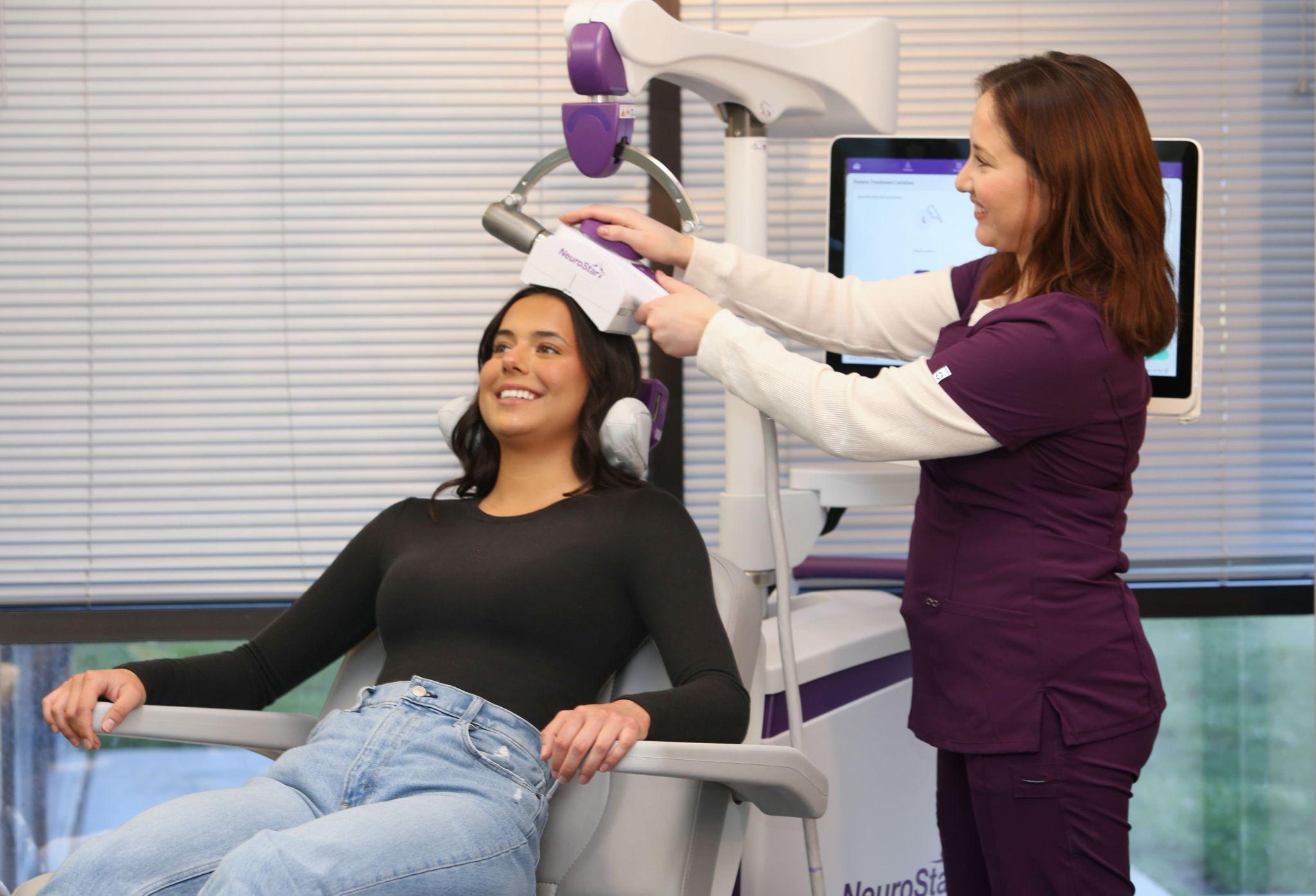
Most standard TMS protocols include:
- Five sessions per week
- Four to six weeks of treatment
- Additional taper sessions when clinically appropriate
- Ongoing symptom monitoring
Treatment sessions are typically brief and performed in an outpatient setting. Patients remain awake throughout the procedure and can return to work, school, driving, or other daily activities immediately afterward.
Although the schedule requires a meaningful time commitment, many patients find that the lack of recovery time makes treatment easier to incorporate into daily life.
Why Does Completion Matter?
TMS produces its effects gradually through repeated stimulation of targeted brain networks. Missing multiple sessions may reduce treatment consistency and make outcomes harder to evaluate.
Most standard protocols include approximately 25 to 36 treatments before clinicians assess the final response. Completing the recommended schedule provides the best opportunity to achieve meaningful symptom improvement.
Why Are Accelerated TMS Protocols Generating Interest?
Researchers continue to evaluate whether accelerated TMS protocols can reduce treatment time while maintaining effectiveness.
Traditional TMS is typically delivered over several weeks, which may be challenging for some patients. Accelerated protocols provide multiple treatment sessions in a single day, allowing the full treatment course to be completed more quickly.
Interest in these approaches has increased because some studies suggest patients may experience symptom improvement sooner than with conventional schedules.
However, accelerated TMS remains an evolving area of research. Reported outcomes vary across studies, and results often depend on patient selection, treatment protocol, and clinical setting.
While early findings are encouraging, additional research is needed to determine how these protocols compare with standard outpatient TMS in routine practice.
What Is Accelerated TMS?
Accelerated TMS delivers multiple treatment sessions per day rather than one session daily over several weeks. Examples include accelerated repetitive TMS (rTMS) and accelerated intermittent theta burst stimulation (iTBS). The goal is to shorten the overall treatment timeline while maintaining clinical effectiveness and safety.
Do They Work Better?
Some specialized studies have reported response rates between 70% and 90%, with remission rates around 50%. One accelerated deep TMS study reported an 80.2% response rate and a 50.5% remission rate during the first month of treatment.
However, these results often come from highly selected patient populations and specialized treatment centers, so they may not reflect outcomes seen in standard clinical practice.
How Do Special Populations Change Success Rates?
TMS outcomes can vary depending on the condition being treated and the characteristics of the patient population. Success rates reported for treatment-resistant depression may not apply to adolescents, patients with OCD, or individuals experiencing depression associated with Long COVID.
Reviewing a comprehensive list of TMS approved conditions helps clarify how customized protocols alter recovery paths across different patient categories. Researchers increasingly evaluate outcomes within specific diagnostic groups because different conditions involve different symptom patterns and brain networks.
As a result, treatment protocols and expected outcomes may differ. Understanding these distinctions helps patients interpret success-rate data more accurately and develop realistic expectations before beginning treatment.
How Do Outcomes Vary Across Different Groups?
| Population | Reported Outcome Trends |
| Treatment-resistant depression | 50–60% response |
| Adolescents with depression | Approximately 33–56% response |
| Long-COVID depression | Higher rates reported in pilot studies |
| Severe refractory depression | Lower response rates |
| OCD | Variable symptom reduction depending on protocol |
Why Is This Important?
Different psychiatric conditions may respond differently to TMS. For example, pilot studies involving Long COVID-related depression have reported favorable outcomes, while patients with severe treatment-resistant depression may experience lower response rates.
Reviewing diagnosis-specific data provides a more accurate understanding of expected results than relying on a single overall success-rate statistic. Psychiatry has highlighted the importance of diagnosis-specific outcome expectations.
Why Does TMS Still Have Non-Responders Despite Strong Research?
TMS is supported by substantial clinical evidence, but no depression treatment is effective for every patient. Response to treatment depends on several factors, including diagnosis, symptom severity, treatment history, and underlying neurobiology.
Success rates describe outcomes across groups of patients and cannot predict how an individual will respond.
Some patients achieve remission, others experience meaningful improvement, and some notice little change. This pattern is seen across most evidence-based depression treatments. For that reason, clinicians focus on both symptom reduction and improvements in daily functioning when evaluating treatment outcomes.
Why Might Someone Not Improve?
Several factors may reduce the likelihood of response, including severe treatment resistance, coexisting psychiatric conditions, protocol mismatch, or an incomplete treatment course.
These factors do not guarantee treatment failure, but they can influence overall outcomes and are considered during clinical evaluation.
What Do Patient Experiences Reveal?
Most patient experiences fall into three broad categories: remission, partial improvement, or minimal improvement. This pattern closely mirrors published research.
While TMS provides meaningful benefits for many patients, individual outcomes vary, and not everyone experiences the same degree of symptom relief.
Moving Forward With Evidence-Based TMS Care
Living with depression after multiple treatments can be frustrating, and you want a plan that gives you a real chance at feeling better.
At Sugi Psychiatry & Wellness, NeuroStar TMS is delivered within a structured interventional psychiatry program that combines careful patient selection with ongoing psychiatric follow-up. Results vary from person to person. That's the reality.
If you're considering TMS for treatment-resistant depression, OCD, or anxious depression, Sugi Psychiatry & Wellness provides personalized care designed around your needs.
With locations across Northern Nevada and telehealth options, the team focuses on long-term recovery and informed treatment decisions. Ready to explore whether NeuroStar TMS is right for you? Visit Sugi Psychiatry & Wellness to schedule a consultation and learn more.
FAQ
Does transcranial magnetic stimulation treat psychiatric conditions beyond major depressive disorder?
Yes, clinical trials and systematic review data demonstrate that this noninvasive brain stimulation effectively targets diverse neural circuits.
Beyond treating major depression, specialized rTMS protocols hold clear FDA clearance for treating obsessive-compulsive disorder (OCD) and aiding smoking cessation.
Reviewing localized clinical data helps patients evaluate expected therapeutic results based on their specific diagnostic category rather than relying on generalized graphs.
Emerging naturalistic study data also supports its neuromodulation utility in managing post-traumatic stress disorder (PTSD), generalized anxiety disorder (GAD), and chronic pain syndromes.
How do clinicians utilize the motor threshold to guide precise TMS coil placement?
Prior to beginning the outpatient procedure, clinicians determine the patient's individual motor threshold by applying magnetic pulses to the motor cortex.
This measurement establishes the minimum cortical stimulation required to elicit a physical muscle twitch, which ensures safe, customized TMS dosing. Clinicians then utilize this metric alongside advanced neuronavigation software to guide precise figure-eight coil or H-coil placement over the prefrontal cortex.
What clinical protocols exist if a patient experiences a return of symptoms post-treatment?
If a patient experiences a clinical relapse after completing their initial TMS treatment duration, clinicians often recommend scheduling TMS maintenance therapy.
Data compiled from a large-scale TMS patient registry suggests that periodic maintenance sessions provide robust relapse prevention for individuals prone to recurring symptoms. This clinical strategy effectively sustains long-term outcomes and protects the durability of the patient's initial TMS remission rate.
How do the clinical outcomes of accelerated TMS compare to standard daily session frequency?
Recent meta-analysis data confirms that accelerated TMS protocols, such as intermittent theta burst stimulation (iTBS), yield comparable efficacy to standard six-week treatment courses.
By utilizing a 5×5 TMS protocol, clinicians can deliver multiple theta burst stimulation sessions within a compressed, single-day TMS schedule.
This specialized approach significantly reduces the overall treatment duration while maintaining a highly favorable TMS therapy success rate.
Which objective clinical metrics are utilized to track a patient's standard TMS response trajectory?
Clinicians objectively monitor behavioral health improvements using validated clinical rating scales, primarily the PHQ-9, HAMD-17, and GAD-7 tracking forms.
Patients complete these standardized assessments at regular intervals throughout their active treatment protocol. These metrics allow the clinical team to chart the exact TMS response rate, identify early symptom improvement, and verify positive changes within the brain's functional networks.
References
- https://www.nimh.nih.gov/health/topics/brain-stimulation-therapies/brain-stimulation-therapies
- https://www.mayoclinic.org/tests-procedures/transcranial-magnetic-stimulation/about/pac-20384625