

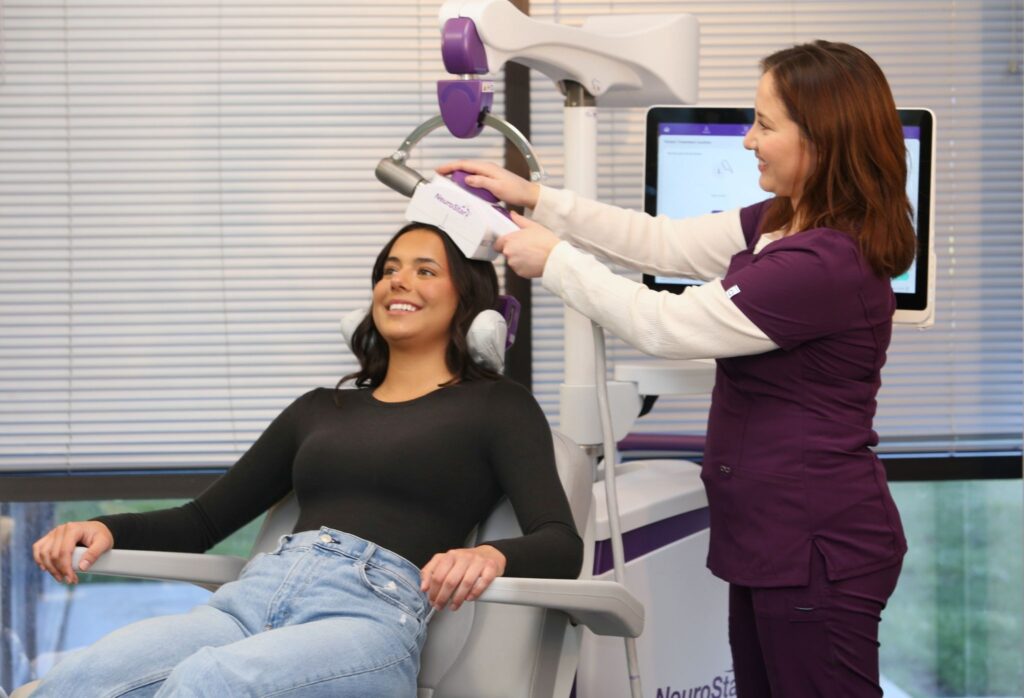
What does TMS treatment do? Transcranial Magnetic Stimulation (TMS) is a non-invasive treatment that uses gentle magnetic pulses to stimulate areas of the brain linked to mood, especially for people living with Major Depressive Disorder (MDD). First cleared by the FDA in 2008 for depression, TMS is now also used for conditions like Obsessive-Compulsive Disorder (OCD) and anxious depression.
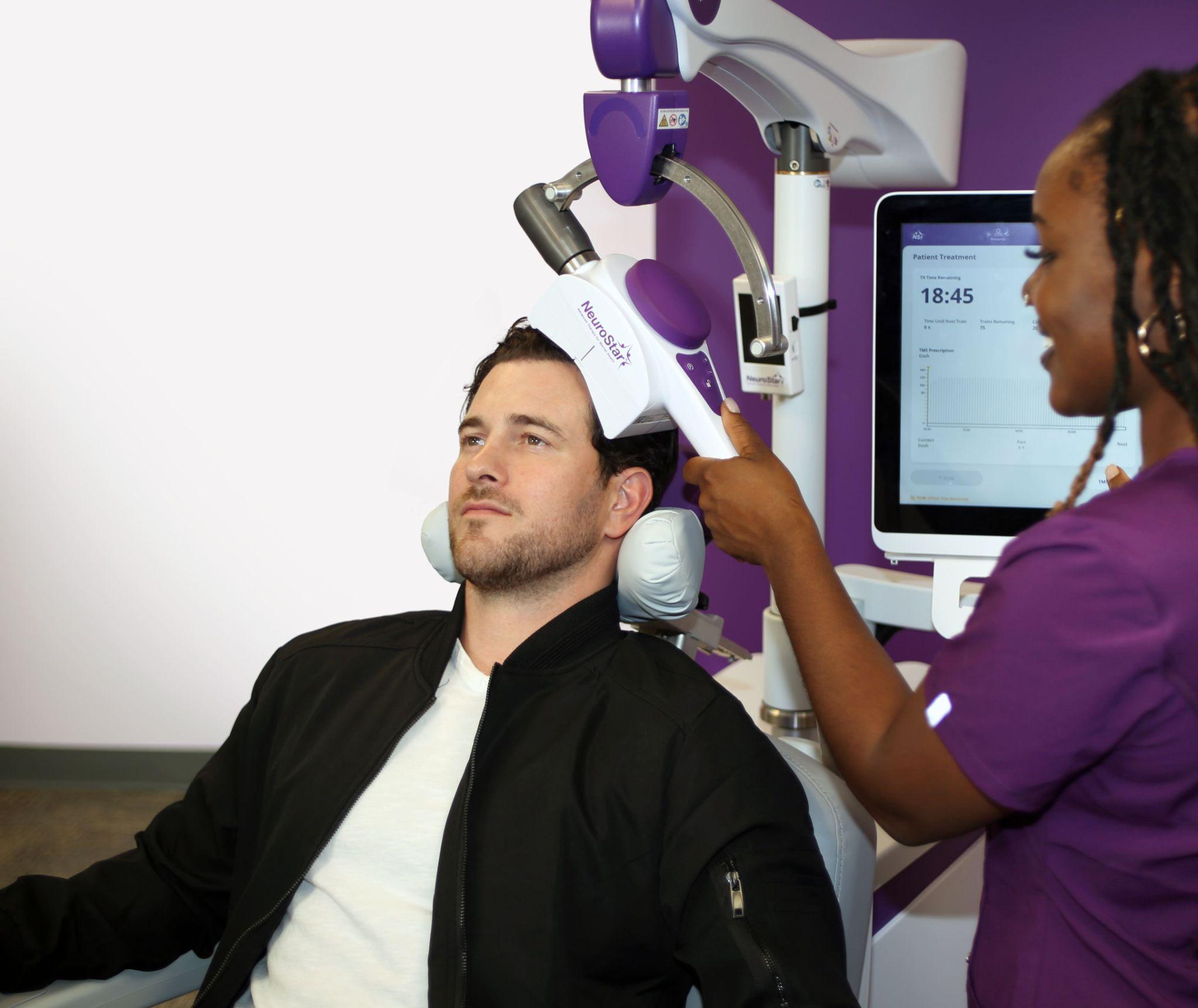
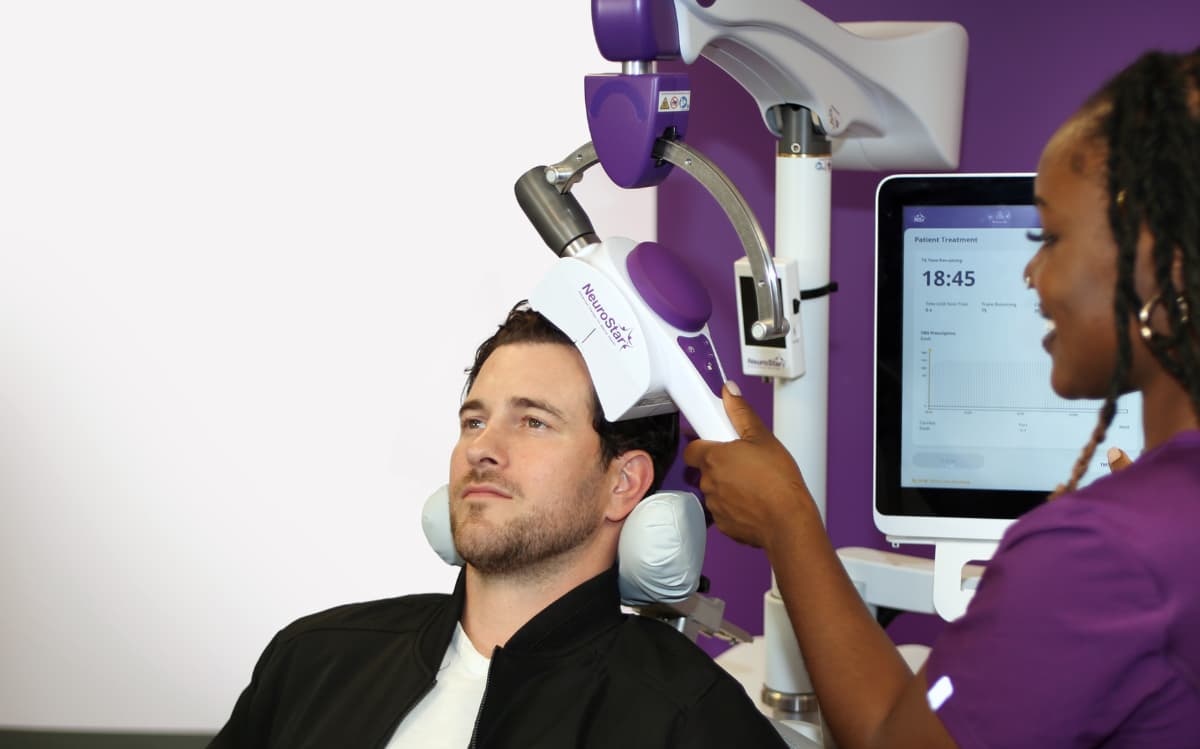
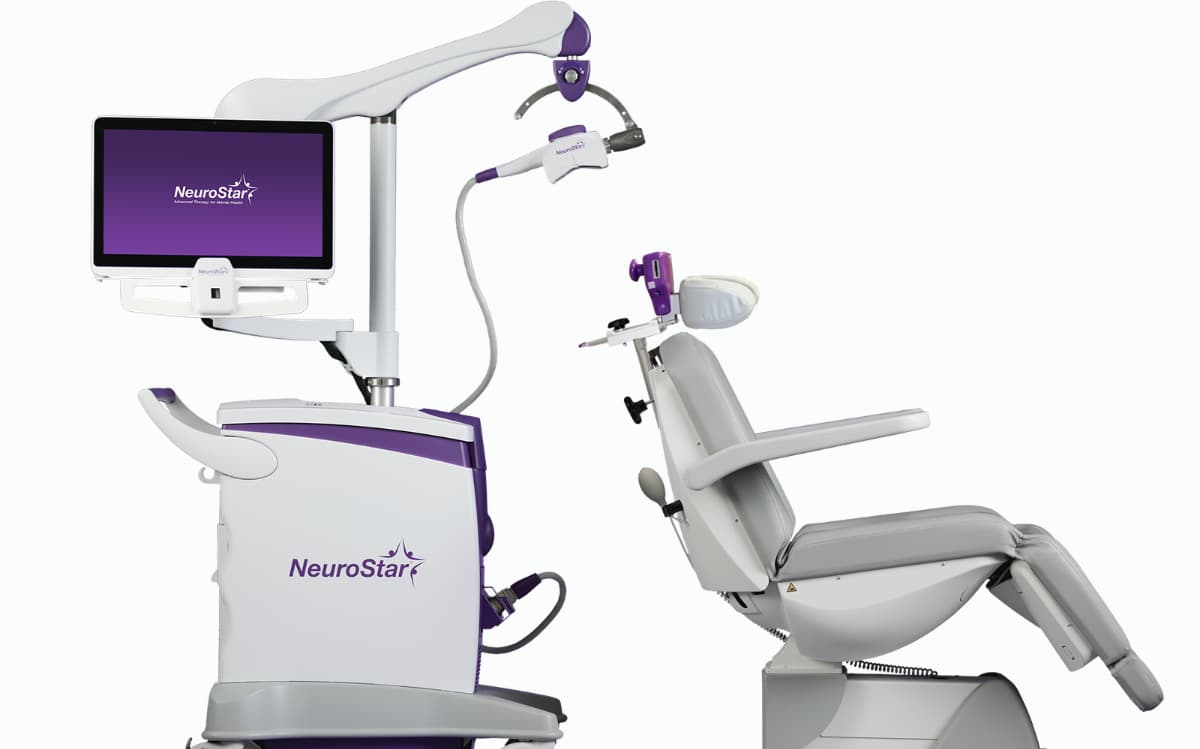
At Sugi Psychiatry, we use the NeuroStar system as part of an interventional approach for patients who haven’t found relief with medication alone. In this article, we’ll break down what TMS treatment actually does, how it works in practice, and what kind of results patients can realistically expect.
Clinical Insights You Should Understand
- TMS activates targeted brain circuits, particularly the dorsolateral prefrontal cortex (DLPFC), to improve mood regulation
- Response rates reach 50–60%, with up to 30% achieving remission in treatment-resistant depression
- Outpatient sessions last 20–40 minutes, typically delivered over 4–6 weeks without anesthesia
What Does TMS Treatment Actually Do to the Brain?

TMS activates underactive neurons in mood-regulating circuits, particularly the dorsolateral prefrontal cortex, to restore functional connectivity and improve emotional regulation.
Transcranial Magnetic Stimulation operates through magnetic coil stimulation, which generates focused magnetic fields that penetrate the skull and induce small electrical currents in cortical neurons. These currents trigger neuron activation in regions associated with mood control.
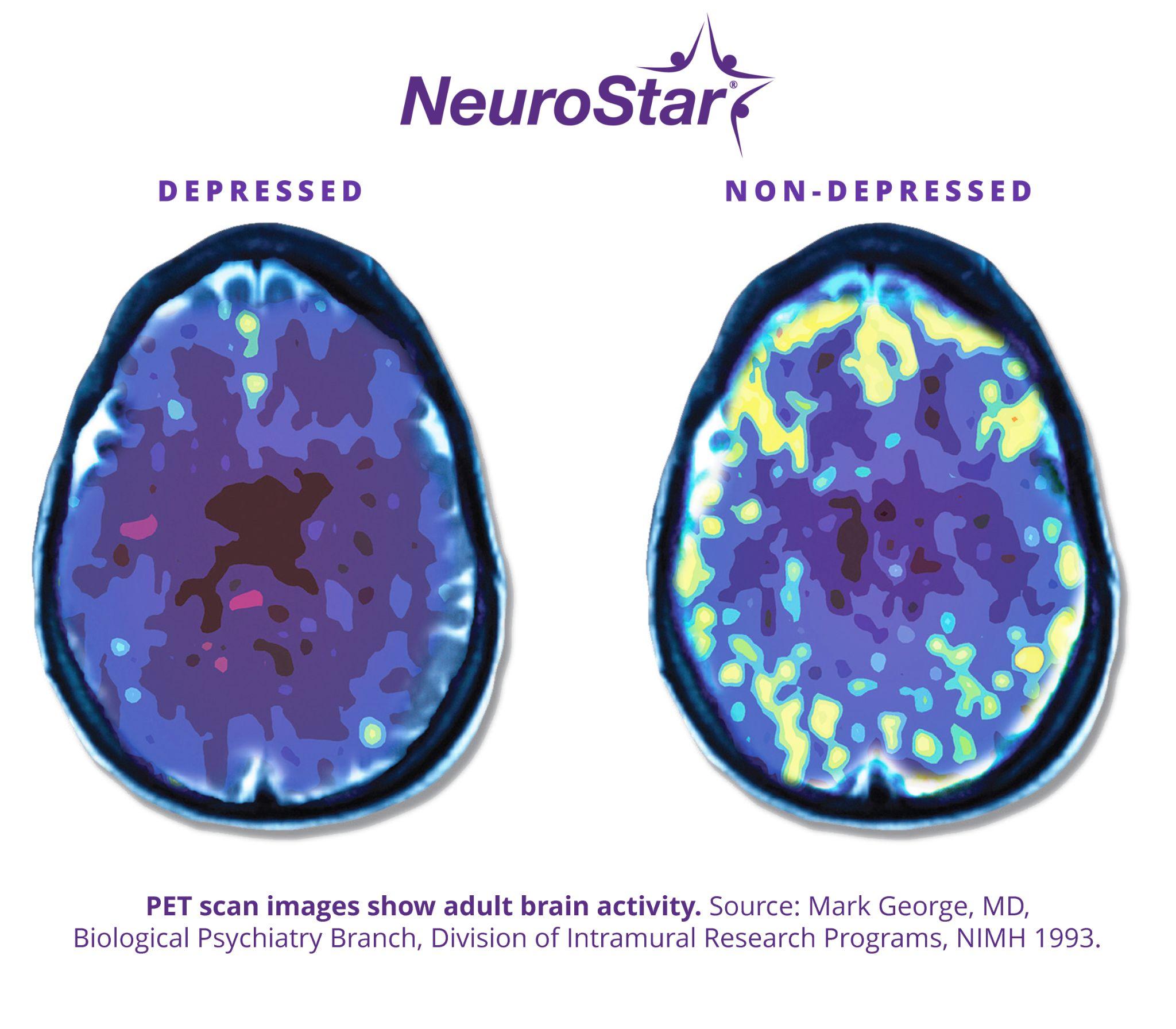
The primary anatomical target is the dorsolateral prefrontal cortex (DLPFC), a region shown in neuroimaging studies by the National Institute of Mental Health (NIMH) to exhibit reduced activity in depression. By stimulating this region, TMS helps normalize disrupted neural signaling pathways.
As noted by the National Institute of Mental Health (NIMH)
“The magnetic pulses pass easily through the skull and cause small electrical currents that stimulate nerve cells in the targeted brain region. Because these pulses are administered in rapid succession, it is called repetitive TMS, or TMS, which can produce longer-lasting changes in brain activity.” – National Institute of Mental Health (NIMH)
Clinical data published in The American Journal of Psychiatry indicates that approximately 50–60% of patients with treatment-resistant depression show meaningful improvement following a full course of repetitive TMS (TMS therapy).
This mechanism is often described as a “brain circuit reset,” though technically it involves modulation of synaptic plasticity and network connectivity across cortical and subcortical structures.
- Induces electrical currents via magnetic fields
- Activates hypoactive neurons in the DLPFC
- Enhances synaptic plasticity and connectivity
- Supports functional recovery of mood circuits
The cumulative effect is not immediate. Neural adaptation develops gradually across repeated sessions, aligning with observed clinical improvement timelines.
How Does a Typical TMS Session Work?
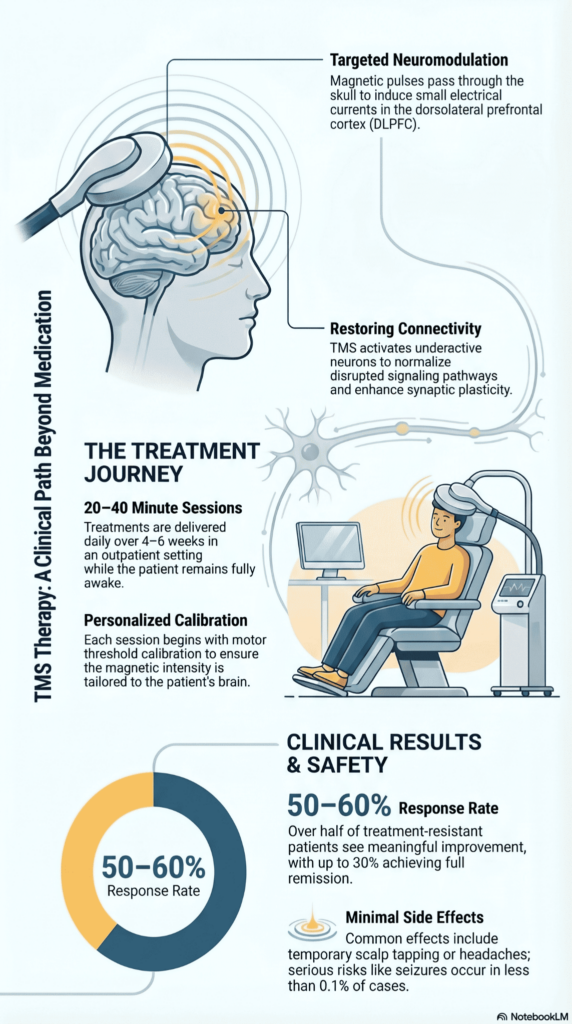
A TMS session involves delivering controlled magnetic pulses to the scalp for 20–40 minutes while the patient remains awake, typically repeated five times per week over several weeks.
TMS is administered in an outpatient clinical setting using an FDA-cleared NeuroStar system. At Sugi Psychiatry, sessions are conducted under physician supervision without sedation or anesthesia. You can learn more about how sessions are structured through their NeuroStar TMS Therapy.
Each treatment begins with calibration of the resting motor threshold (RMT), which determines the appropriate stimulation intensity based on individual cortical excitability. This step is essential for both safety and efficacy.
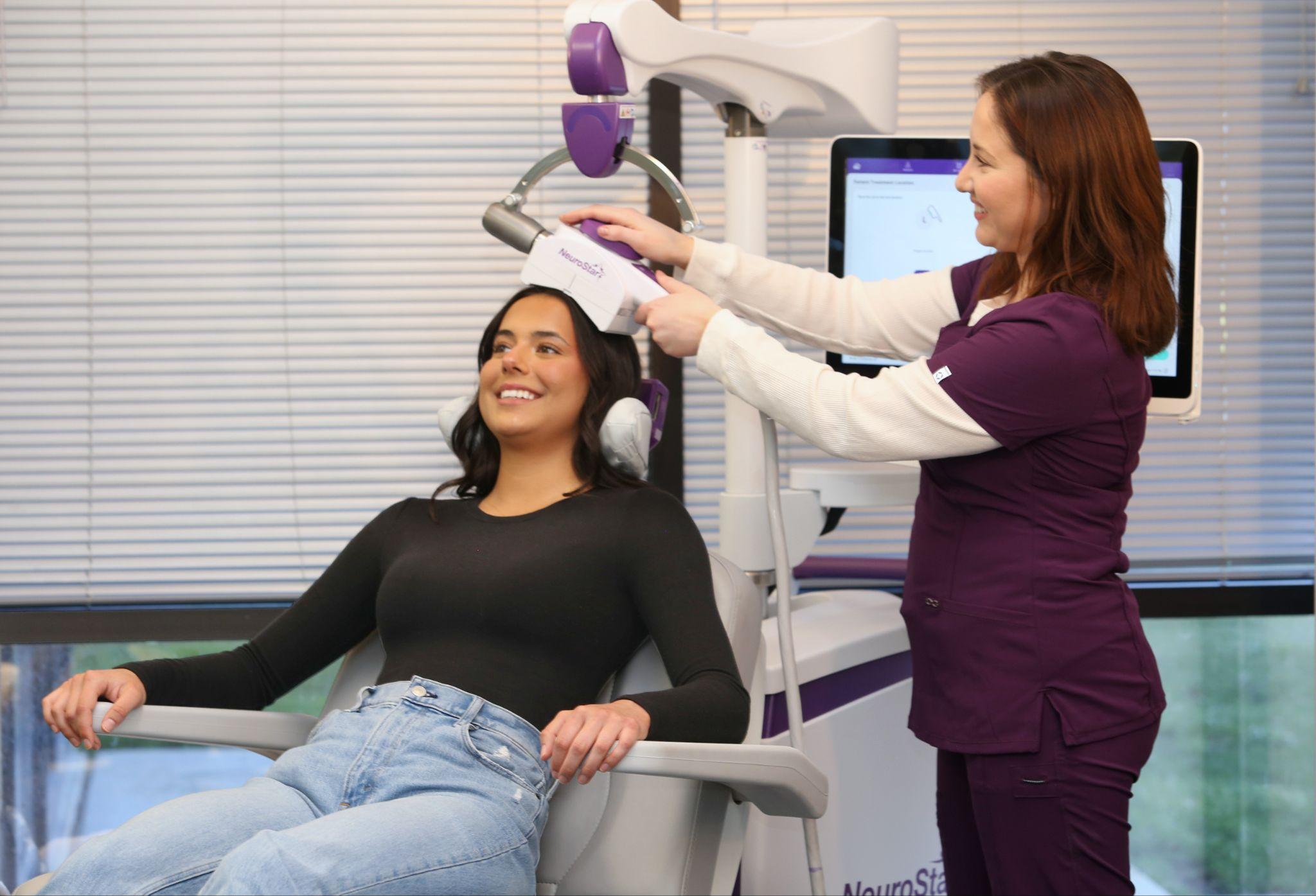
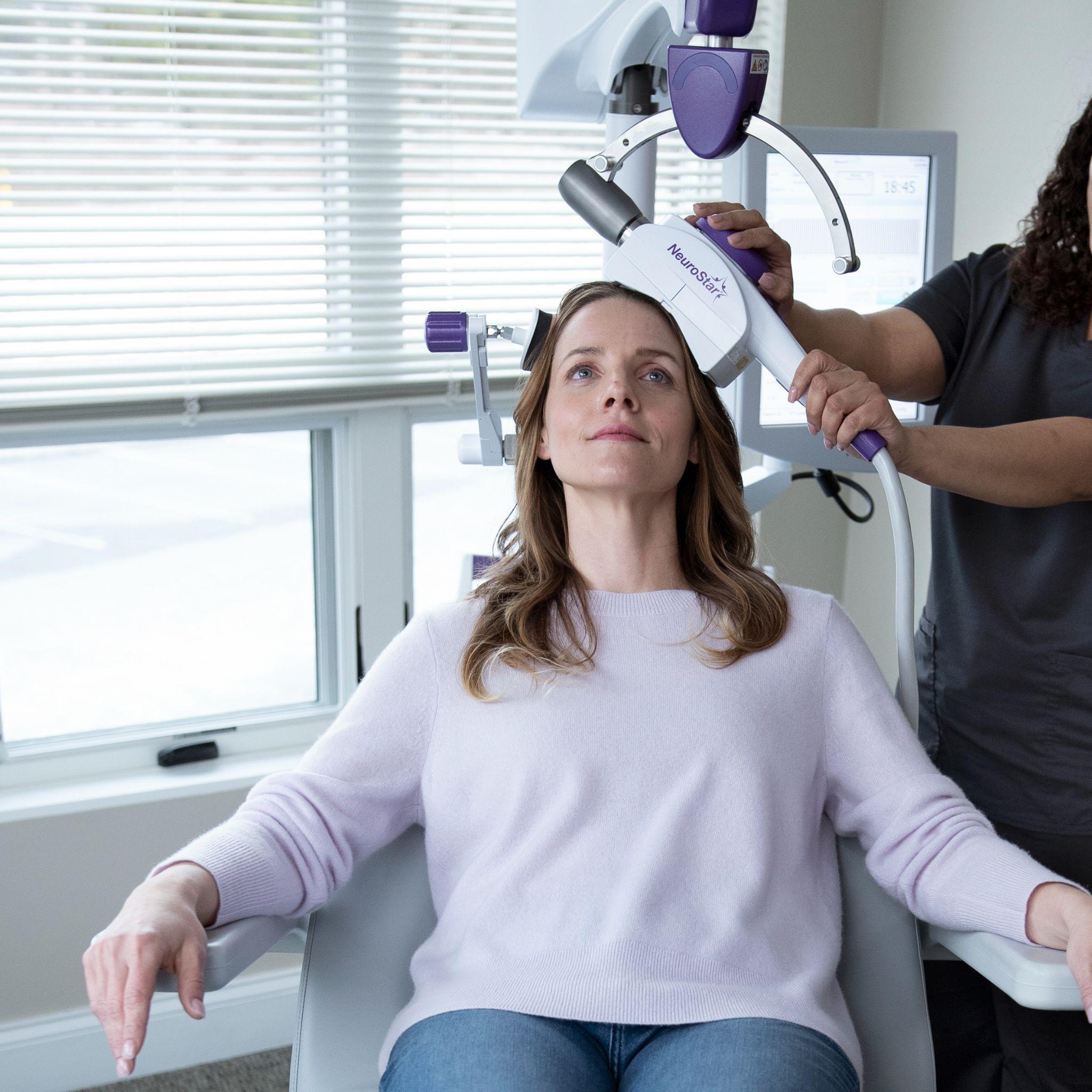
Patients sit comfortably while a magnetic coil is positioned over the scalp. The coil delivers repetitive pulses to the targeted cortical region, typically the left DLPFC in depression protocols.
According to the Clinical TMS Society, a standard treatment course includes 5 sessions per week for 4–6 weeks, with each session lasting 20–40 minutes depending on the protocol used.
- Outpatient procedure with no recovery time
- Daily sessions over a structured treatment course
- Personalized dosing using RMT calibration
- Coil placement determines treatment precision
Patients can resume normal activities immediately after each session, which distinguishes TMS from more invasive interventions.
What Conditions Is TMS FDA-Cleared to Treat?
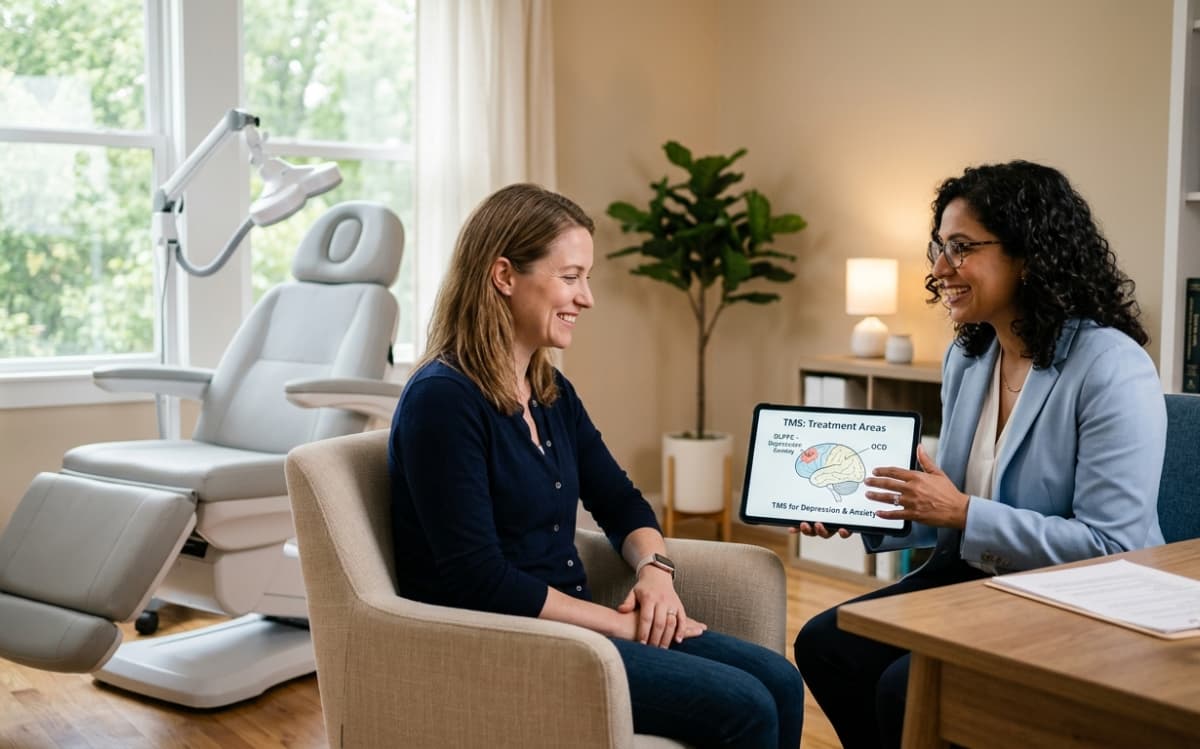
TMS is FDA-cleared for major depressive disorder, obsessive-compulsive disorder, and related conditions such as anxious depression, particularly after medication failure.
At Sugi Psychiatry, the NeuroStar system is used specifically for conditions supported by clinical evidence and regulatory clearance. The therapy is not indicated for all psychiatric disorders and is typically reserved for patients who have not responded adequately to pharmacological treatment. You can explore their broader approach through their Mental Health Services.
| Condition | Regulatory Status | Clinical Notes |
| Major Depressive Disorder (MDD) | FDA-cleared (2008) | For treatment-resistant cases |
| Obsessive-Compulsive Disorder (OCD) | FDA-cleared | Targets distinct neural circuits |
| Anxious Depression | FDA-cleared | Subtype of MDD |
| Migraine with Aura | FDA-cleared (device-specific) | Acute intervention |
| Smoking Cessation | FDA-cleared | Behavioral modulation |
The U.S. Food and Drug Administration recognizes TMS as a safe and effective intervention within these defined indications. According to the Mayo Clinic, TMS is often considered after at least one antidepressant trial has failed.
- Primarily used in treatment-resistant depression (TRD)
- Expanding research in PTSD and anxiety disorders
- Not indicated as first-line therapy
At Sugi Psychiatry, patient selection follows strict clinical criteria to ensure appropriate use.
How Effective Is TMS for Depression and TRD?
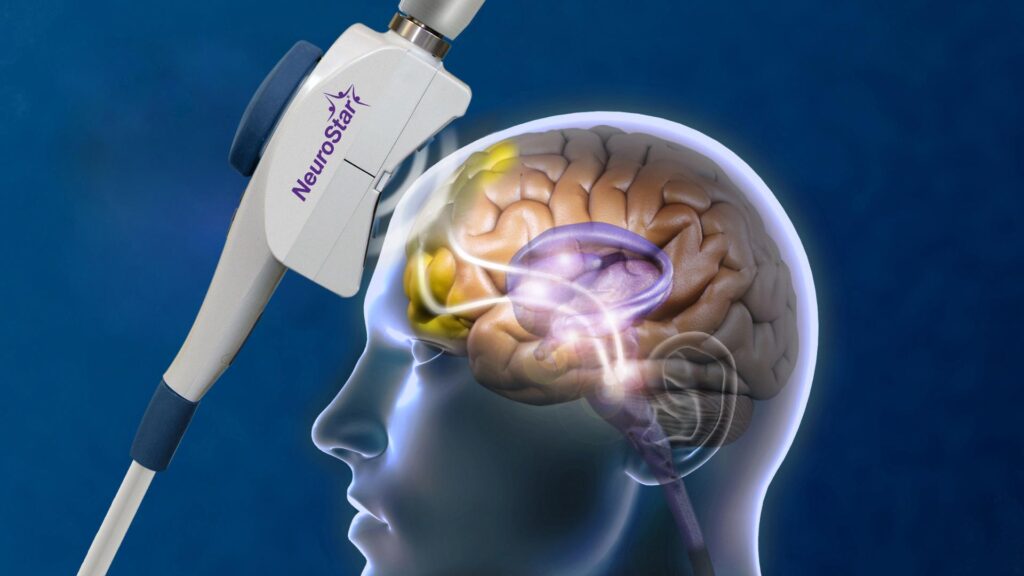
TMS improves depressive symptoms in approximately 50–60% of patients, with up to 30% achieving full remission, particularly in treatment-resistant populations.
Large-scale registry data from NeuroStar clinical datasets report 83% response rates and 62% remission rates in real-world treatment-resistant populations, reflecting outcomes when protocols are completed as prescribed.
The Clinical TMS Society and Harvard Medical School have both reported that effectiveness improves when TMS is combined with psychotherapy such as Cognitive Behavioral Therapy (CBT). For patients exploring care options for depression, this is often part of a broader depression treatment approach tailored to treatment-resistant cases.
Treatment outcomes depend on multiple variables, including diagnostic accuracy, adherence to the treatment schedule, and precision of cortical targeting.
- 50–60% experience symptom improvement
- ~30% achieve remission in standard populations
- Up to 62% remission in registry-supported settings
- Sustained benefit in 45–62% at 6–12 months
- Outcomes improve with:
- fMRI-guided targeting
- Combined CBT and medication management
At Sugi Psychiatry, we integrate TMS into a broader care plan to enhance long-term outcomes.
What Are the Different Types of TMS Protocols?
TMS includes multiple protocols that vary in stimulation pattern, session duration, and depth of penetration to target different neural circuits.
The most commonly used approach is repetitive TMS (TMS therapy), which delivers pulses over a standard session duration. Newer protocols such as intermittent Theta Burst Stimulation (iTBS) significantly reduce treatment time while maintaining comparable clinical outcomes. These protocols are often integrated within comprehensive mental health services depending on individual patient needs.
Advanced approaches like deep TMS (dTMS) use specialized coils to reach deeper brain regions, while accelerated TMS condenses treatment into multiple sessions per day. The SAINT protocol incorporates precision targeting and high-frequency stimulation for enhanced outcomes.
| Protocol | Duration | Key Advantage |
| TMS | 20–40 min | Established clinical standard |
| iTBS | ~3 min | Faster delivery |
| dTMS | ~20 min | Deeper cortical reach |
| Accelerated TMS | Multiple/day | Reduced overall timeline |
- Protocol selection depends on diagnosis and clinical goals
- iTBS is increasingly adopted for efficiency
- SAINT protocol emphasizes precision targeting
These variations allow clinicians to tailor treatment to individual neurobiological profiles.
What Are the Side Effects and Risks of TMS?
TMS is generally well tolerated, with mild and temporary side effects such as scalp discomfort and headache, while serious complications like seizures occur in fewer than 0.1% of cases.
The National Institutes of Health (NIH) reports that TMS does not produce systemic side effects commonly associated with antidepressant medications, such as weight gain or sexual dysfunction.
Most patients report localized discomfort at the treatment site, particularly during initial sessions. A subset of patients, estimated at 20–25%, may experience a temporary worsening of symptoms early in treatment, often referred to clinically as the “TMS dip phase.”
- Common side effects:
- Scalp discomfort
- Headache during sessions
- Temporary effects:
- Fatigue
- Early symptom fluctuation (20–25%)
- Rare risks:
- Seizure risk < 0.1%
Symptoms typically resolve without intervention, and treatment can continue with monitoring.
What Do Real Patients Experience During and After TMS?
Patient experiences vary, with many reporting gradual symptom improvement after several weeks despite early discomfort or temporary worsening.
Clinical observations indicate that symptom improvement often begins around week 3, aligning with neuroadaptive changes in cortical circuits. Early sessions may produce a tapping sensation on the scalp due to magnetic pulse delivery.
At Sugi Psychiatry, patients frequently describe a gradual reduction in emotional burden rather than an abrupt change. This aligns with findings published in The Journal of Clinical Psychiatry, which emphasize progressive improvement rather than immediate relief.
- Early phase:
- Scalp tapping sensation
- Mild discomfort
- Mid-treatment:
- Temporary worsening (“dip phase”)
- Later phase:
- Gradual mood improvement
- Increased functional capacity
Selection bias exists in anecdotal reports, as patients with negative experiences are more likely to report publicly than those with positive outcomes.
Why Does TMS Sometimes Fail or Work Poorly?
TMS effectiveness depends on accurate targeting, correct diagnosis, and adherence to the full treatment protocol; deviations in these areas can reduce clinical outcomes.
One of the most significant limitations is inaccurate coil placement, particularly when using simplified methods such as the “5 cm rule,” which does not account for individual brain anatomy.
Advanced targeting methods, including fMRI-guided TMS and qEEG optimization, have been shown to improve remission rates by enhancing precision in DLPFC targeting.
Misdiagnosis can also affect outcomes. Conditions such as psychotic disorders may not respond to standard TMS protocols and may require alternative approaches.
- Contributing factors to reduced efficacy:
- Inaccurate coil placement
- Incomplete treatment course
- Diagnostic mismatch
- Precision strategies:
- MRI-based brain mapping
- SAINT protocol targeting
Completion of the full protocol remains a strong predictor of success.
How Long Do TMS Results Last?
TMS results typically last between 6–12 months, with many patients maintaining symptom improvement, although some may require maintenance sessions.
Long-term registry data from NeuroStar and independent clinical studies indicate sustained benefit in 45–62% of patients over a 6–12 month period.
Maintenance strategies may include periodic booster sessions, particularly in individuals with recurrent depressive episodes. Integration with psychotherapy further supports durability.
Research from the National Institutes of Health (NIH) shows
“The clinical efficacy of TMS as an antidepressant has been well established. Similar to antidepressants, TMS resulted in sustained improvement in mood symptoms but with fewer side effects.” – National Institutes of Health (NIH)
- Typical duration:
- 6–12 months sustained improvement
- Booster sessions may be required
- Enhanced durability with CBT integration
Clinical follow-up is essential to monitor long-term outcomes.
Is TMS a Good Alternative to Medication or ECT?
TMS is a non-invasive alternative for patients who cannot tolerate medications or prefer to avoid the cognitive side effects associated with electroconvulsive therapy (ECT).
Unlike pharmacological treatments, TMS does not involve systemic exposure, reducing the risk of side effects such as metabolic changes. Compared to Electroconvulsive Therapy (ECT), TMS does not require anesthesia and does not produce memory impairment.
At Sugi Psychiatry, TMS is positioned as an interventional option for medication-resistant depression, not as a replacement for first-line treatments.
- Advantages:
- No anesthesia required
- No systemic medication effects
- Compared to ECT:
- Non-invasive
- No cognitive impairment
Patient selection remains essential to determine suitability.
FAQ
What does TMS therapy do inside the brain during treatment?
TMS therapy uses magnetic coil stimulation placed on the scalp to activate specific brain cells. This neuron activation focuses on the dorsolateral prefrontal cortex using DLPFC targeting, an area linked to mood control. The goal is a brain circuit reset through non-invasive neuromodulation. It helps restore activity patterns in people with major depressive disorder, especially after antidepressant failure or med-resistant depression.
Is theta burst stimulation or iTBS protocol more effective than standard repetitive TMS?
Theta burst stimulation, including the iTBS protocol, delivers rapid pulses in short bursts instead of longer repetitive TMS sessions. Many clinics use it to shorten treatment time while keeping similar outcomes. It can fit within 20–40 minute sessions and may support accelerated TMS plans. Studies show a similar 50–60% response rate, with some patients reaching full symptom remission in treatment-resistant depression.
Can deep TMS help conditions like OCD, anxiety, or migraine symptoms?
Deep TMS is an FDA-approved TMS option for major depressive disorder and is also used for OCD Research is ongoing for TMS for anxiety, PTSD trials, migraine aura relief, and smoking cessation. Results vary between individuals. It is not typically recommended for schizophrenia contraindication. The aim is to support rewiring neural circuits linked to these conditions.
What side effects or risks should I expect during outpatient TMS sessions?
Outpatient TMS sessions are generally well tolerated, but mild side effects can happen. These include scalp discomfort and headache during TMS, especially early on. Some people notice fatigue after TMS or a short worsening symptoms dip called the TMS dip phase. Serious issues like seizure risk are rare. Proper motor threshold RMT and coil placement accuracy help reduce risks.
How long do TMS results last, and will I need repeat treatment later?
Long-term TMS durability differs for each person. Many people maintain improvement for 6–12 month benchmarks based on registry data. Others may need maintenance sessions if symptoms return. Combining CBT combo TMS or using bilateral stimulation can help extend results. While TRD remission is possible, outcomes depend on individual response, consistency, and factors like selection bias TMS in reported success rates.
A Practical Step Toward Better Mental Health
You know how frustrating it is when symptoms don’t improve, even after trying different options and sticking with treatment. It wears you down. TMS offers a focused way to target the brain circuits linked to depression and OCD, giving you another path when progress feels stuck.
At Sugi Psychiatry, TMS is part of a clear, structured plan that fits into your overall care. It’s not for everyone, but it can be the right next step if nothing else has worked. If you’re ready to move forward, scheduling a consultation can help you see if this approach fits your situation.
References
- https://www.nimh.nih.gov/health/topics/brain-stimulation-therapies/brain-stimulation-therapies
- https://pmc.ncbi.nlm.nih.gov/articles/PMC6313364/