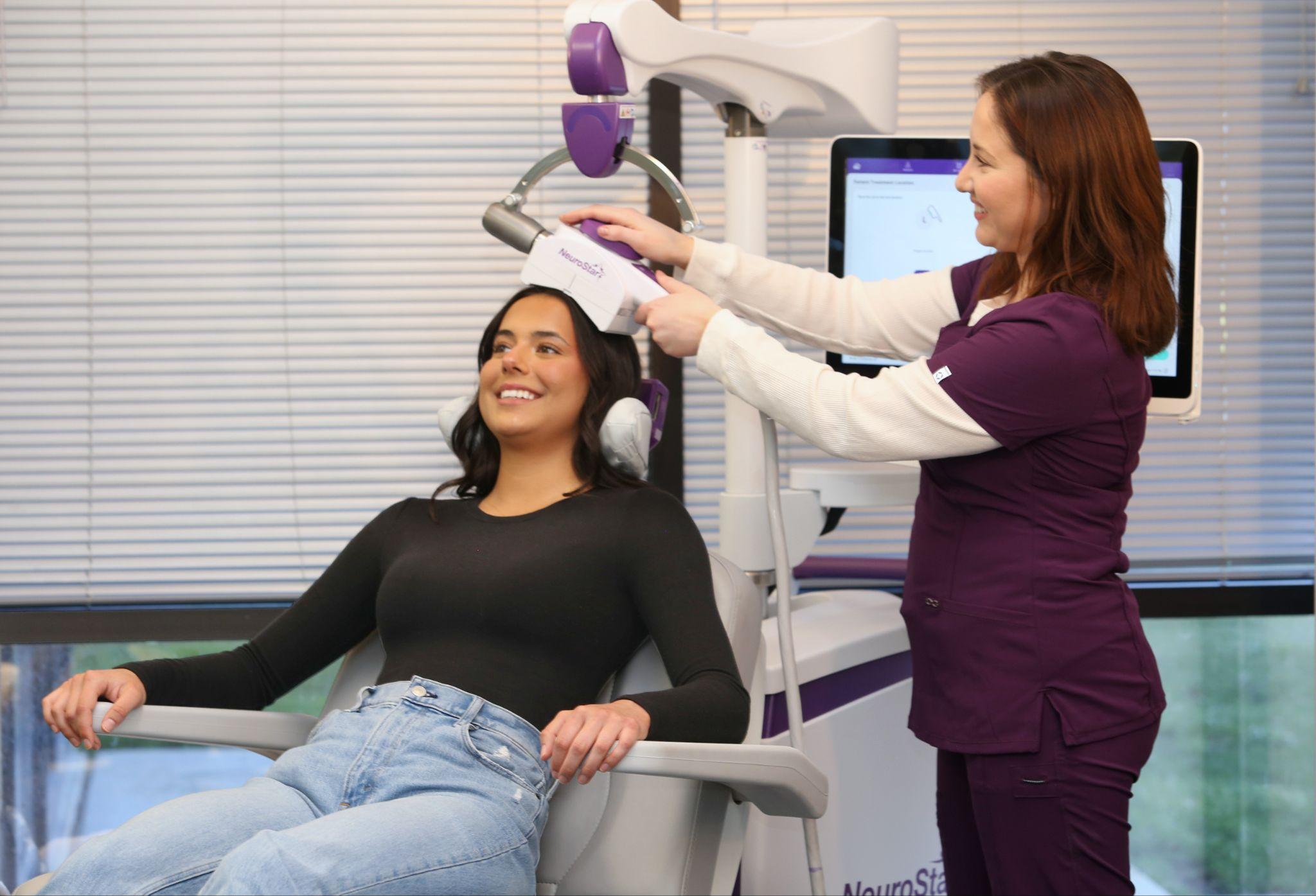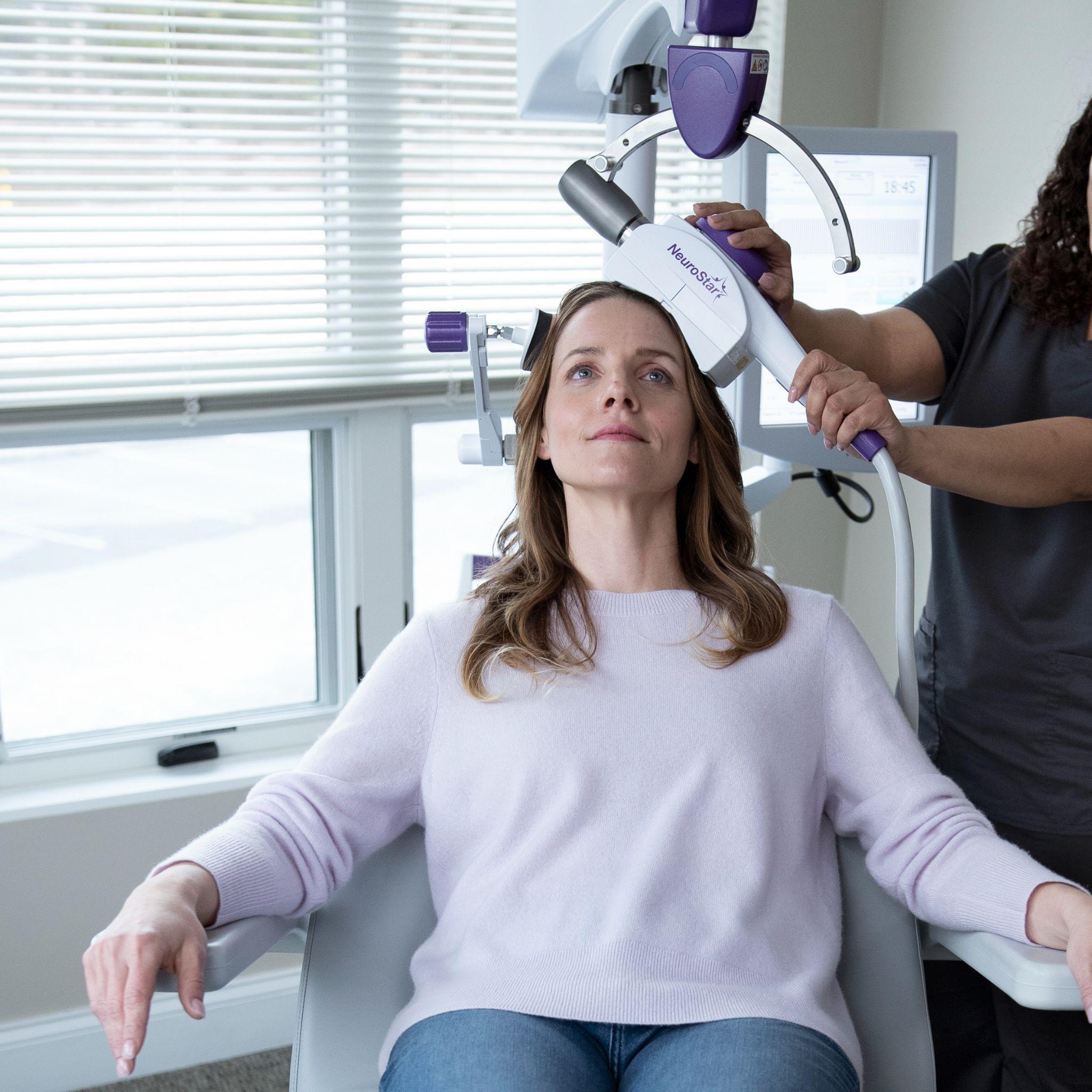



What Conditions is TMS Approved For? Transcranial Magnetic Stimulation (TMS) is FDA-cleared for major depressive disorder, obsessive-compulsive disorder, anxious depression, and smoking cessation in select adults. First cleared in 2008 for depression, its indications expanded between 2020 and 2024. TMS is a noninvasive neuromodulation technique that applies focused magnetic fields to modulate cortical activity, most often in the prefrontal cortex.
In practice, it is considered after inadequate response to pharmacotherapy or intolerance to medications. Treatment aims at measurable symptom reduction and functional improvement, with protocols tailored to diagnosis and patient factors. Continue reading for a clinically grounded review of indications, evidence, and limitations in current practice.
Key Takeaways
- TMS is FDA-cleared for Major Depressive Disorder (MDD), Obsessive-Compulsive Disorder (OCD), anxious depression, and smoking cessation under defined clinical criteria.
- The strongest evidence supports treatment-resistant depression, with response rates up to 83% and remission rates near 62% in large datasets.
- Not all psychiatric or neurological conditions qualify; many are still investigational or used off-label despite growing research.
FDA-Cleared Indications for TMS
TMS therapy is cleared for specific conditions where controlled clinical trials have demonstrated both safety and efficacy through a structured regulatory framework.
The Food and Drug Administration evaluates these devices through its Division of Neurological and Physical Medicine Devices. Early approvals often followed the de novo premarket pathway, particularly for newer technologies like repetitive TMS systems.
Clinical adoption did not happen in isolation. It followed published trials, including work in J Clin Psychiatry. Investigators such as Peter G Janicak and Linda L Carpenter contributed to foundational evidence on safety and efficacy, principles that continue shaping interventional care models at Sugi Psychiatry today.
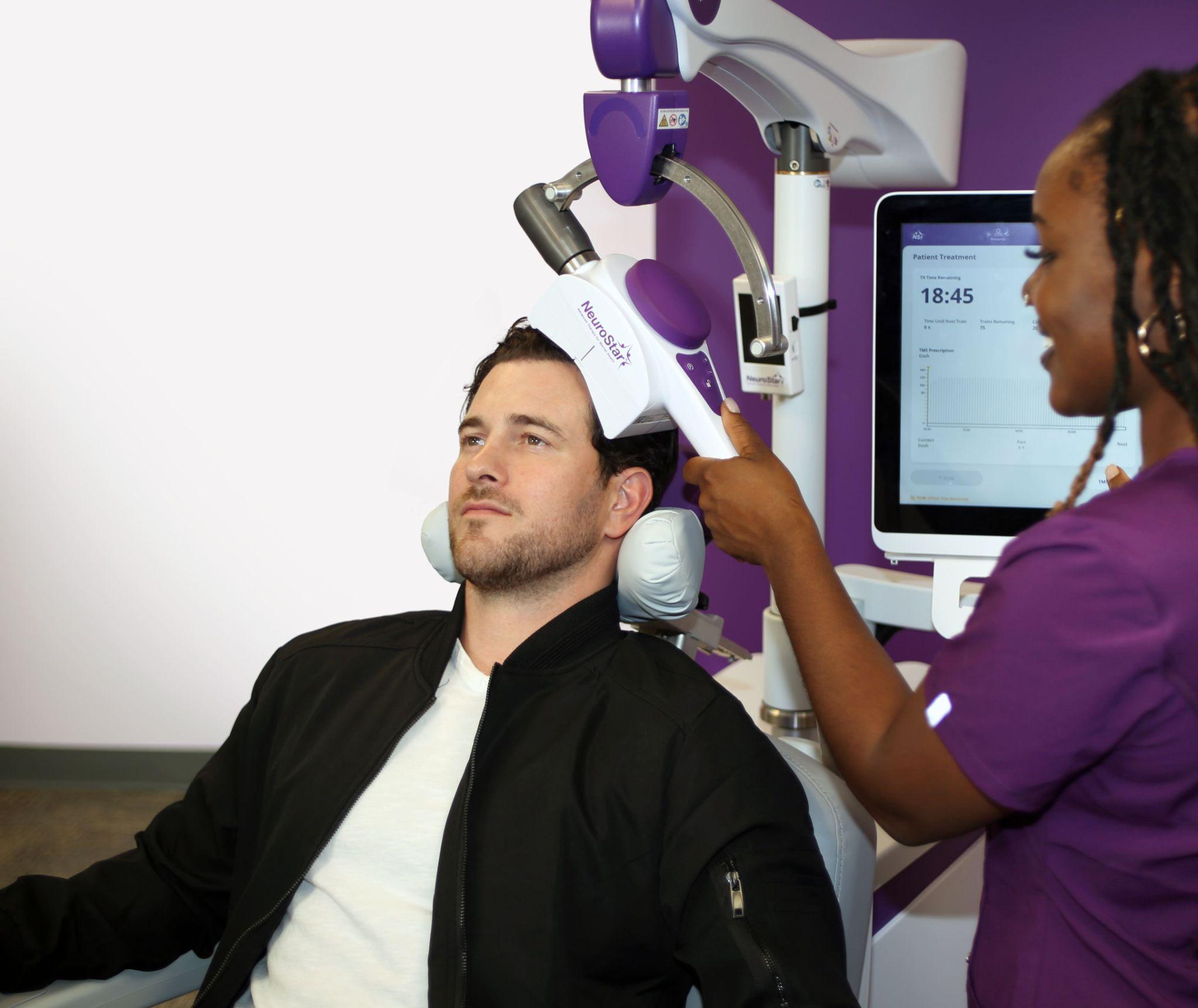
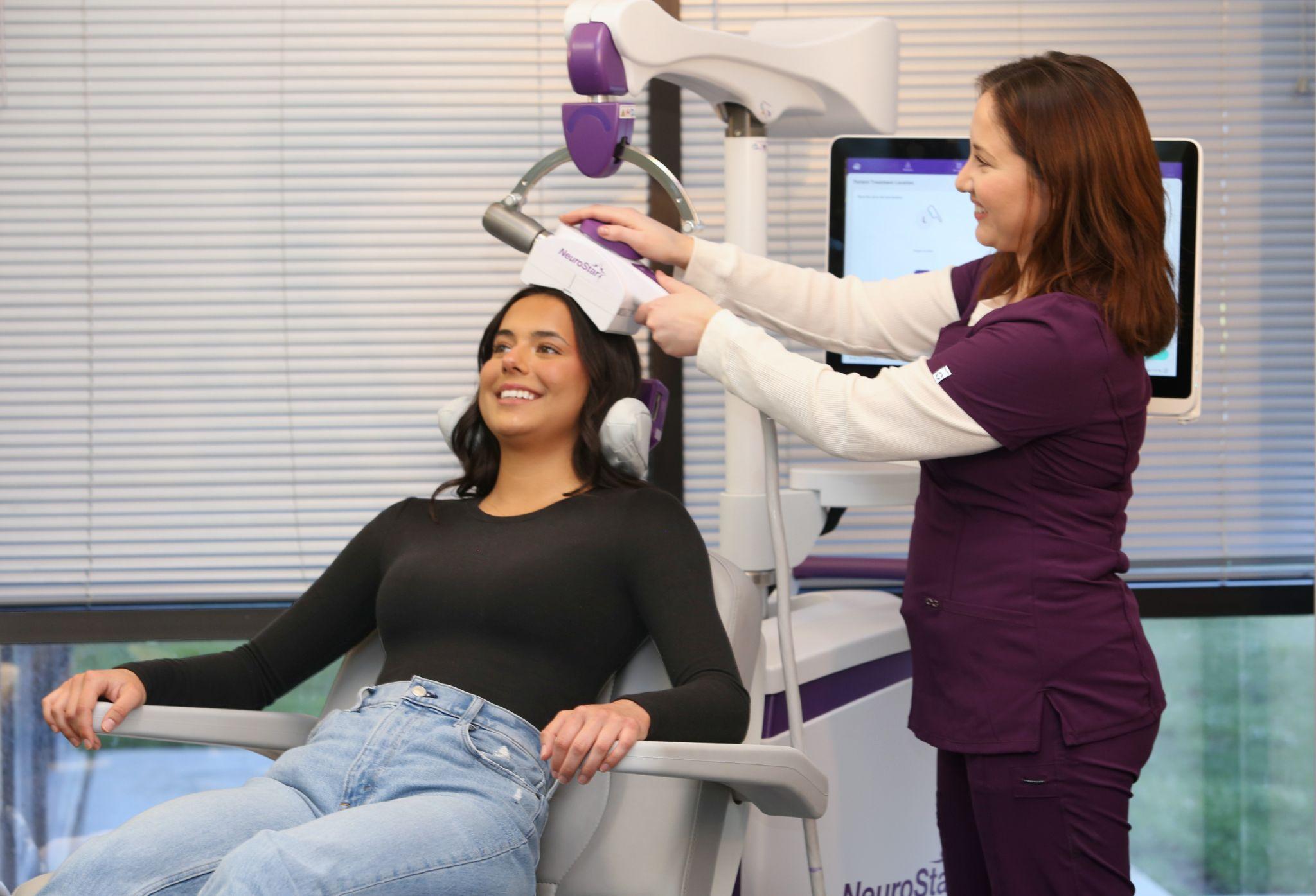
Mechanistically, TMS uses an electromagnetic coil placed over the scalp. Magnetic pulses are delivered in a controlled fashion. These pulses modulate dysfunctional neural circuits, especially those involved in mood regulation, which is the foundational principle behind What Is TMS Treatment and its role in modern interventional psychiatry. These shifts can be subtle, but they are clinically meaningful.
The primary FDA-cleared indications include:
- Major depressive disorder, including treatment resistant forms
- Obsessive-compulsive disorder
- Anxious depression as a subtype of MDD
- Smoking cessation in adults
| Condition | Patient Population | Brain Target Area | Clinical Goal |
| Major Depressive Disorder (MDD) | Adults (including treatment-resistant cases) | Left dorsolateral prefrontal cortex | Improve mood regulation and reduce depressive symptoms |
| Obsessive-Compulsive Disorder (OCD) | Adults with inadequate response to therapy | Anterior cingulate cortex and related circuits | Reduce compulsive behaviors and intrusive thoughts |
| Anxious Depression | Subtype of MDD with anxiety features | Prefrontal cortex and limbic system | Improve both mood and anxiety symptoms |
| Smoking Cessation | Adults with nicotine dependence | Insula and prefrontal cortex | Reduce cravings and support quitting behavior |
Each indication requires a structured evaluation. Progress is tracked with standardized, objective rating scales rather than guesswork, such as the Hamilton Rating Scale for Depression and the Yale-Brown Obsessive Compulsive Scale.
Major Depressive Disorder (MDD): The Primary Indication
TMS is most firmly established in adults with Major Depressive Disorder who have not responded adequately to antidepressant therapy, which is why structured NeuroStar TMS Therapy has become one of the most widely adopted interventional approaches in modern psychiatric practice.
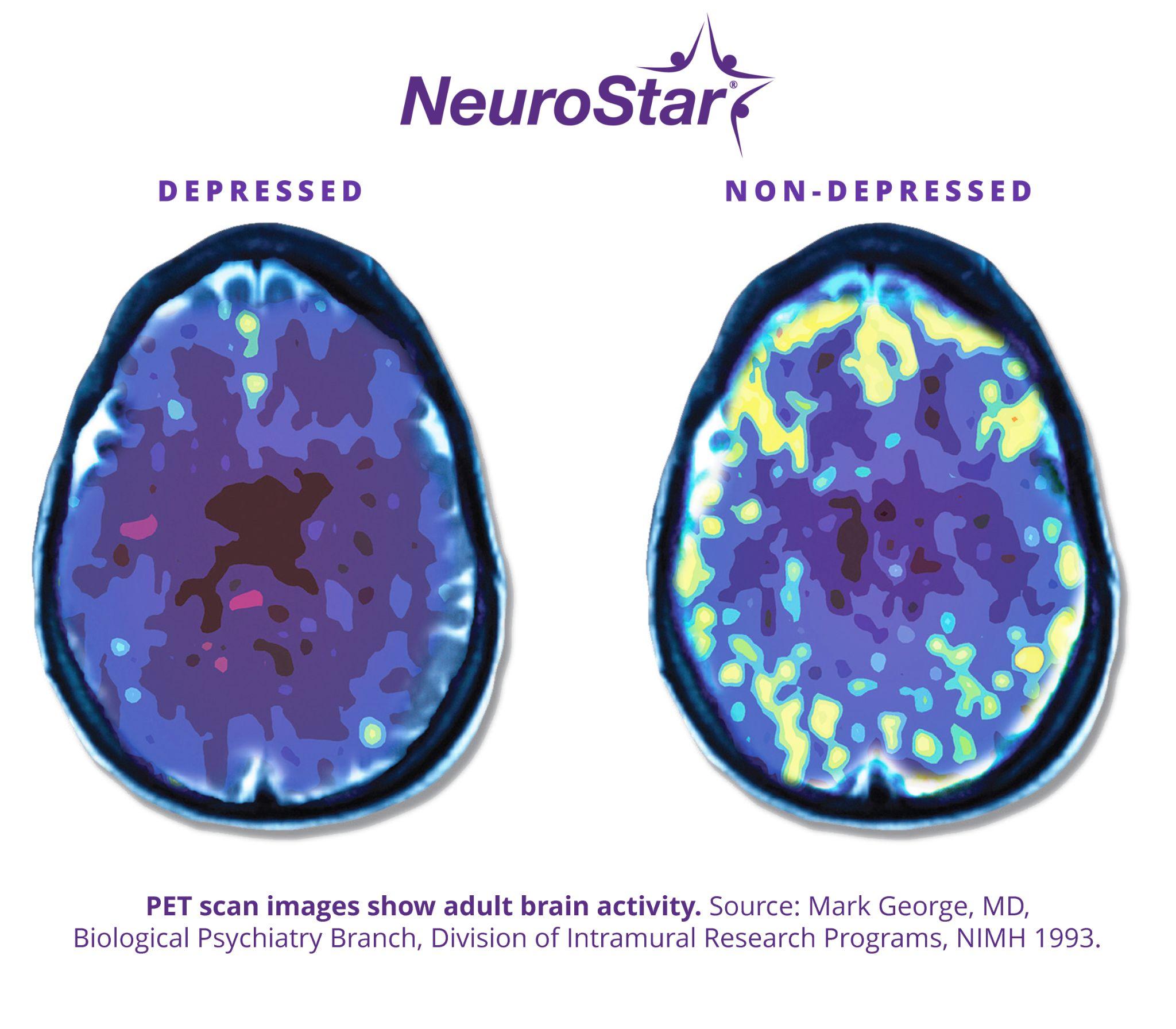
Repetitive TMS, often abbreviated as rTMS, targets the prefrontal cortex. It alters dysfunctional communication within mood regulating networks. Over time, these changes translate into symptom improvement. These changes usually happen gradually rather than instantly.
A large network meta-analysis published in J Clin Psychiatry reported significant reductions in depressive symptoms. Remission rates approached 62 percent. Response rates reached up to 83 percent in treatment resistant populations.
"Bilateral theta burst stimulation (TBS, RR 5.00), priming transcranial magnetic stimulation (pTMS, RR 2.97), low-frequency right repetitive TMS (RR 2.62), high-frequency left repetitive TMS (RR 2.18), and bilateral repetitive TMS (RR 3.08) were demonstrated to have higher response rates than sham control" – J Clin Psychiatry
These response rates are clinically significant. Treatment typically involves daily sessions over four to six weeks, with each session calibrated using the patient’s motor threshold, which determines safe and effective stimulation intensity.
Obsessive-Compulsive Disorder (OCD)

TMS is FDA-cleared for adults with obsessive-compulsive disorder who have not achieved adequate symptom control with conventional treatments.
"The results of this clinical study demonstrate that Deep TMS is safe and well-tolerated. It is particularly impressive that the improvement in symptoms was comparable to the average improvement we often see with a standard course of medications alone for 12 weeks, but was produced in half the time, and with fewer side effects" – American Journal of Psychiatry
This indication was established in 2018, supported by clinical trials demonstrating improvement in compulsive behaviors through stimulation of specific brain areas involved in habit formation and cognitive control.
Protocols often use symptom provocation followed by repetitive TMS, targeting circuits associated with compulsivity. Clinical outcomes are measured using the Yale-Brown Obsessive Compulsive Scale, a standardized tool in psychiatric evaluation.
Anxious Depression As A Subtype of MDD
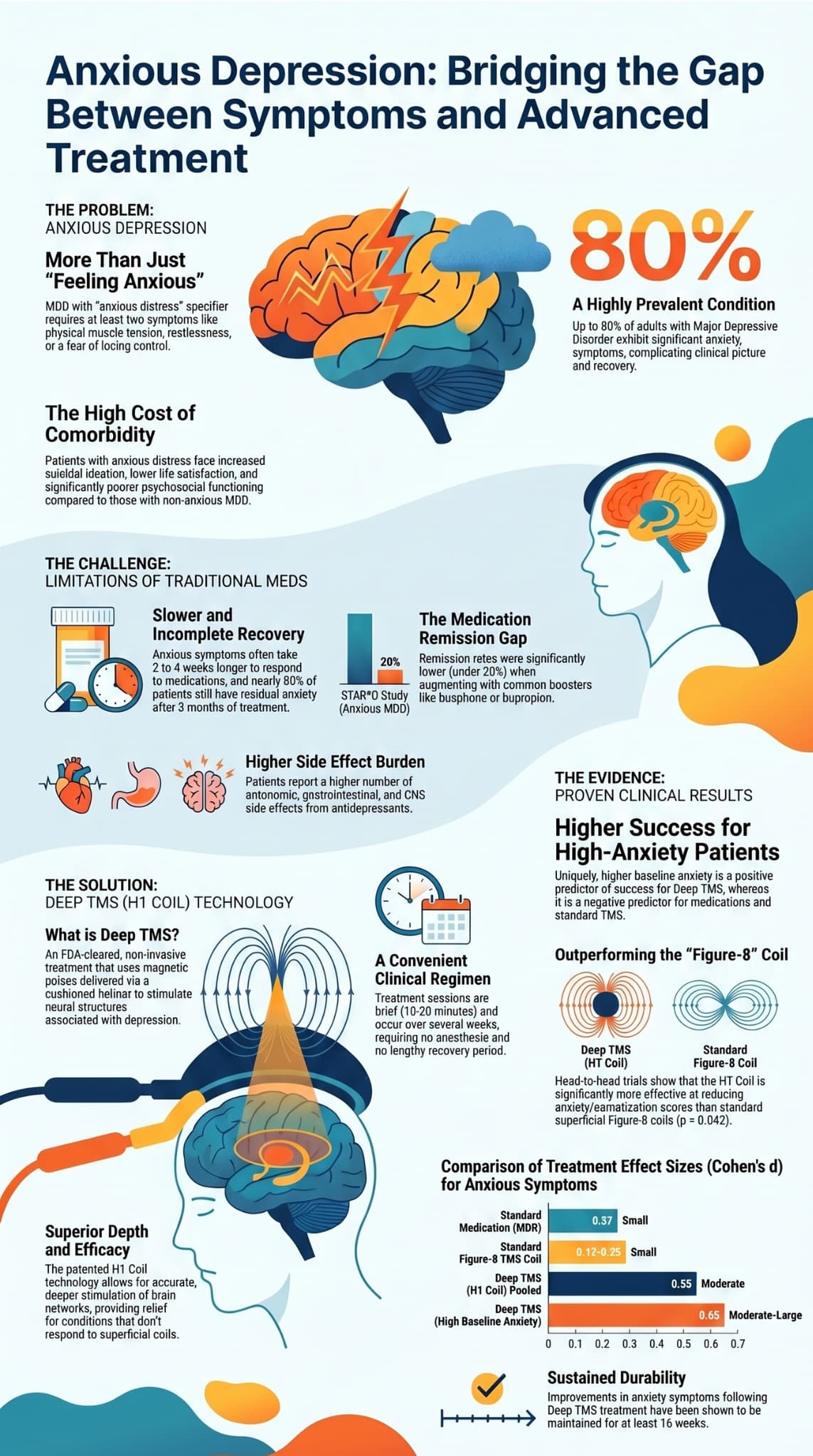
TMS is FDA-cleared for anxious depression when it occurs within the broader diagnosis of major depressive disorder.
Anxious depression presents with overlapping symptoms of generalized anxiety disorder and depression, often associated with poorer outcomes using medication alone.
Clinical studies demonstrate that TMS improves both mood and anxiety symptoms by modulating shared brain regions, particularly within the limbic system and prefrontal cortex.
The Safety of TMS Consensus Group reports that patients with anxious features still achieve meaningful response rates, though slightly lower than non-anxious depression cohorts.
Treatment considerations include:
- Use of standardized rating scales for both depression and anxiety
- Careful differentiation from primary anxiety disorders
- Monitoring for adverse reactions, including transient scalp discomfort
This indication highlights TMS as a viable intervention in complex mood presentations.
Smoking Cessation

TMS is FDA-cleared for smoking cessation in adults, representing one of the few neuromodulation approaches targeting addiction.
The protocol stimulates brain areas associated with craving and reward processing, reducing nicotine dependence through modulation of neural circuits through the same neuromodulation principles described in how TMS therapy works for depression and OCD.
Clinical trials reviewed by the Food and Drug Administration demonstrate statistically significant quit rates compared to sham devices, particularly when combined with behavioral interventions, although insurance coverage and overall TMS treatment cost considerations may still influence long-term treatment accessibility for some patients.
Treatment includes:
- Daily sessions over several weeks
- Use of craving induction techniques prior to stimulation
- Monitoring using standardized addiction metrics
This indication expands TMS beyond traditional psychiatric disorders into behavioral health interventions.
Conditions Not FDA-Cleared but Commonly Studied
TMS is not FDA-cleared for several conditions despite ongoing research and clinical interest. Studies continue to explore TMS in post-traumatic stress disorder, Parkinson’s disease, chronic pain, and borderline personality disorder, among others. These applications are considered investigational.
A systematic review in J Clin Psychiatry notes variable outcomes, with some studies showing promise but lacking consistent replication across large populations.
Common investigational targets include:
- Deep brain stimulation pathways adapted for non-invasive methods
- Advanced protocols such as theta burst stimulation
- Alternative devices like the Brainsway Deep Transcranial Magnetic Stimulation System
Despite emerging data, these uses remain outside FDA-cleared indications and may not be covered by insurance providers or Medicare policies.
Safety, Contraindications, and Clinical Limitations
TMS is considered safe when administered according to established guidelines, but it is not suitable for all patients, which is why a detailed screening process is necessary to determine Who Is A Good Candidate For TMS based on medical history, neurological risk factors, and treatment resistance criteria.
The Safety of TMS Consensus Group outlines contraindications related to metallic objects and implanted devices. Patients with cochlear implants, implant stimulator devices, or non-removable conductive metal near the head are excluded due to risk of induced currents.
| Category | Details | Clinical Notes |
| Common Side Effects | Scalp discomfort, mild headache | Usually temporary and improves over sessions |
| Rare Risks | Seizure (very low incidence) | Higher risk in patients with neurological predisposition |
| Contraindications | Cochlear implants, implanted stimulators, metal near head | Risk of induced electrical currents |
| Pre-Treatment Screening | Medical history, device screening | Required before starting therapy |
| Insurance Requirements | Documentation using ICD-10-CM, CPT, HCPCS codes | Often limited to treatment-resistant depression |
Reported side effects are generally mild and include:
- Scalp discomfort at the stimulation site
- Transient headache
- Rare risk of seizure in predisposed individuals
Clinical use requires careful treatment planning, including documentation aligned with ICD-10-CM diagnosis codes, CPT codes, and payer-specific policies such as Medicare claims and Final LCD guidelines.
According to the Centers for Medicare & Medicaid Services, coverage is typically restricted to treatment-resistant depression after failed pharmacological trials, making insurance approval criteria an important factor influencing overall TMS Treatment Cost and reimbursement eligibility.
Another authoritative overview from Harvard Health Publishing confirms the safety and efficacy profile of TMS in depression treatment.
NeuroStar TMS at Sugi Psychiatry
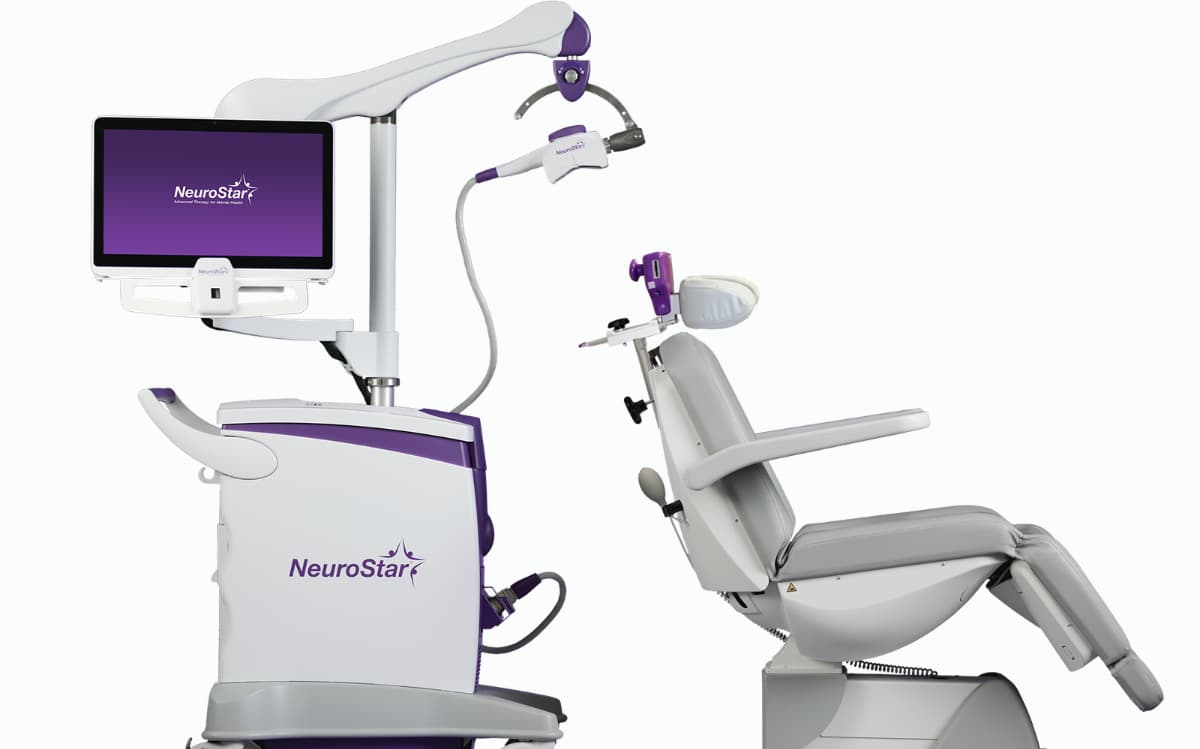
NeuroStar provides FDA-cleared transcranial magnetic stimulation therapy for major depressive disorder, obsessive-compulsive disorder, and anxious depression under strict clinical protocols.
At Sugi Psychiatry, this modality is delivered within a structured, whole-person framework integrating pharmacological interventions, psychotherapy, and comprehensive mental health services supported by continuous monitoring through cloud-based systems.
Three short clinical insights define its application.
First, NeuroStar demonstrates strong outcomes in treatment-resistant populations, with reported 83% response rates and 62% remission rates across large datasets.
Second, treatment is conducted in-office without anesthesia, allowing immediate return to daily activities following each session.
Third, patient eligibility is carefully screened to exclude individuals with contraindicated implants or neurological risk factors.
Key operational features include:
- Non-invasive stimulation using a precision magnetic coil
- Real-time tracking via secure digital platforms
- Alignment with payer requirements, including HCPCS codes and reimbursement frameworks
At Sugi Psychiatry, this approach reflects a shift toward interventional psychiatry grounded in measurable outcomes and individualized care.
Summary of FDA-Cleared TMS Conditions
| Condition | FDA Clearance Year | Clinical Notes |
| Major Depressive Disorder | 2008 | Treatment-resistant cases, expanded to adolescents 15+ |
| Obsessive-Compulsive Disorder | 2018 | Adult patients with inadequate response to therapy |
| Anxious Depression | Included under MDD | Subtype with combined anxiety symptoms |
| Smoking Cessation | 2020 | Targets addiction-related neural circuits |
This table reflects current regulatory status and highlights the narrow but clinically meaningful scope of TMS therapy.
When TMS Makes Sense for You
You’re tired of symptoms that don’t ease up, even after trying different treatments, and the frustration starts to feel physical. It wears you down. TMS offers a focused option that targets the brain areas linked to depression and related conditions, without adding more medication into your system.
With Sugi Psychiatry & Wellness, TMS is part of a structured care plan built around safety and real clinical standards. It’s a practical next step if you want something different that’s still evidence-based. A proper evaluation helps you see if it fits, so you’re not guessing what might finally work.
FAQs
How does Transcranial Magnetic Stimulation affect the brain and nerve cells?
Transcranial Magnetic Stimulation uses magnetic fields and magnetic pulses delivered through a magnetic coil to stimulate nerve cells in specific brain regions, most often the prefrontal cortex.
During TMS therapy, clinicians determine the Motor Threshold and apply repetitive transcranial magnetic stimulation in structured treatment sessions. This neural stimulation helps regulate neural circuits and communication pathways involved in mental health conditions, supporting measurable symptom relief over time.
What side effects or safety concerns should patients know before TMS treatment?
TMS treatment is generally well tolerated, but side effects can include headaches, scalp discomfort, and brief lightheadedness during or after sessions. Before starting, clinicians screen for metallic objects, cochlear implants, or implant stimulator devices that may interfere with magnetic fields.
Clinical practice follows policy guidelines and recommendations from the Safety of TMS Consensus Group, ensuring thorough clinical evaluation and reducing the risk of adverse reactions.
Can TMS therapy help conditions beyond major depressive disorder?
TMS therapy is FDA-cleared for major depressive disorder and obsessive-compulsive disorder. Researchers are studying its effects on other mental health conditions, including anxiety disorders, generalized anxiety disorder, and Post-traumatic stress disorder.
Evidence from systematic review and network meta-analysis shows mixed response rates. Some studies also explore Parkinson's disease and chronic pain, but these uses are not yet part of standard clinical practice guidelines.
How do doctors measure progress and response rates during TMS therapy?
Doctors measure progress using validated rating scales such as the Hamilton Rating Scale for Depression, Montgomery-Asberg Depression Scale, and Yale-Brown Obsessive Compulsive Scale.
These tools provide objective data on symptom severity and improvement. Clinicians use this information to adjust the treatment plan and refine cortical targets. Published research in J Clin Psychiatry by Janicak PG and Carpenter LL supports these methods and reports consistent response rates.
Is TMS covered by insurance and what codes or approvals are involved?
Insurance coverage depends on FDA approval and specific payer requirements. Providers submit documentation using CPT code, HCPCS code, and ICD-10-CM diagnosis code that match conditions such as major depression or Treatment-Resistant Depression.
Medicare claims follow the Social Security Act, Claims Processing Manual, and Medicare Program Integrity Manual. Coverage decisions may reference Proposed LCD, Final LCD, CR Transmittals, and review by a Medical Director.
References
- https://pubmed.ncbi.nlm.nih.gov/33780827/
- https://investors.brainsway.com/news-releases/news-release-details/new-data-published-american-journal-psychiatry-further