

Mental health urgent care provides same-day evaluation when psychiatric symptoms worsen and require prompt attention without needing hospitalization. It bridges the gap between routine therapy and the emergency department, offering rapid support before a crisis escalates.
When your symptoms change quickly or become harder to manage, knowing where to turn can make all the difference. You do not have to wait until things feel unbearable. Receiving prompt care can help address worsening symptoms before they become more disruptive or require emergency treatment.
Key Takeaways
- Fast Same-Day Support: Mental health urgent care provides immediate evaluation for worsening symptoms without requiring you to wait weeks for a routine appointment.
- Know Where to Go: Choose urgent care for stable yet worsening distress, but go directly to the emergency department if there is an immediate threat of self-harm, overdose, or severe psychosis.
- Focused on Stabilization: These visits prioritize short-term safety, crisis intervention, medication adjustments, and referral to ongoing treatment.
What Is Mental Health Urgent Care?
Mental health urgent care is different from your regular therapy or psychiatry appointment. While a routine visit focuses on ongoing treatment and long-term goals, urgent care addresses changes that cannot wait for your next scheduled appointment.
Think of it this way: A mental health professional may review your current symptoms, medications, recent stressors, sleep patterns, substance use, and how you are functioning day to day. They will also ask direct questions about your safety, including whether you have had thoughts of harming yourself or others.
The main goal? Determine whether you can safely stay in outpatient treatment or need a higher level of care.
Depending on your situation, the next step might include:
- Crisis counseling
- Medication support or adjustment
- A personalized safety plan
- Closer outpatient follow-up
- Referral to an emergency department
Why People Seek Mental Health Urgent Care
People commonly come in for:
- Rapidly worsening anxiety or panic attacks
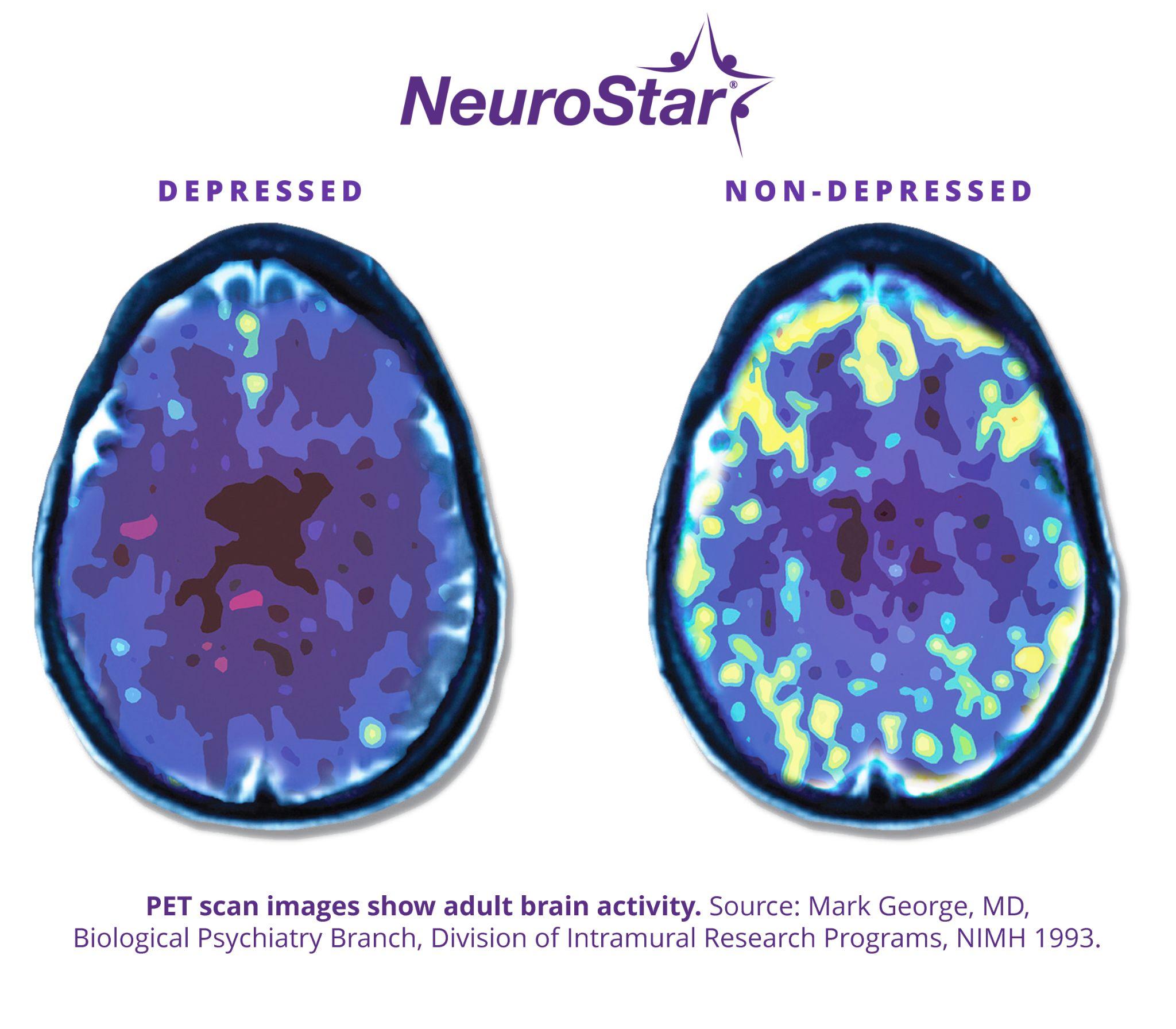
- Increasing depression that affects daily functioning
- New behavioral or emotional changes
- Medication concerns or significant side effects
- Sudden difficulty coping with overwhelming stress
- Worsening symptoms between scheduled appointments
According to a study published in Health Services Research,
“walk-in crisis stabilization services were associated with reductions in MBD-related ED utilization.” – Health Services Research.
This does not mean urgent care replaces emergency treatment. Instead, accessible crisis services can give people another option when symptoms require prompt attention but do not require hospitalization.
When Should You Visit a Psychiatric Walk-In Clinic?

You should consider urgent care when your symptoms are worsening quickly, interfering with daily activities, or causing significant distress, but you can still remain physically safe.
Here is the thing: Many people hesitate because they are unsure whether their symptoms are “serious enough.” But you do not have to wait until you reach a breaking point.
If anxiety, depression, mood changes, or other psychiatric symptoms are making it increasingly difficult to work, study, sleep, care for yourself, or maintain relationships, a prompt evaluation makes sense.
Warning Signs to Watch For
A same-day visit may be appropriate if you are experiencing:
- Severe anxiety or persistent panic attacks that prevent normal daily activities
- Depression that makes working, studying, or basic self-care difficult
- New hallucinations, intrusive thoughts, or increasing paranoia
- Severe emotional distress following trauma or a major life event
- Significant medication side effects or confusion about prescriptions
- Increasing mood instability or behavioral changes
- Symptoms that are becoming harder to manage despite your current treatment
Medication Changes Are Worth Checking

A same-day appointment is also useful when something changes after starting or stopping medication. If you develop a concerning side effect, become confused about how to take your prescription, or notice a significant change in your symptoms, contact your healthcare provider rather than making additional changes yourself.
Remember: The goal of an urgent evaluation is not to make symptoms disappear in one visit. Instead, the clinician works with you to identify immediate concerns, determine your level of risk, and create a practical plan for the next stage of treatment.
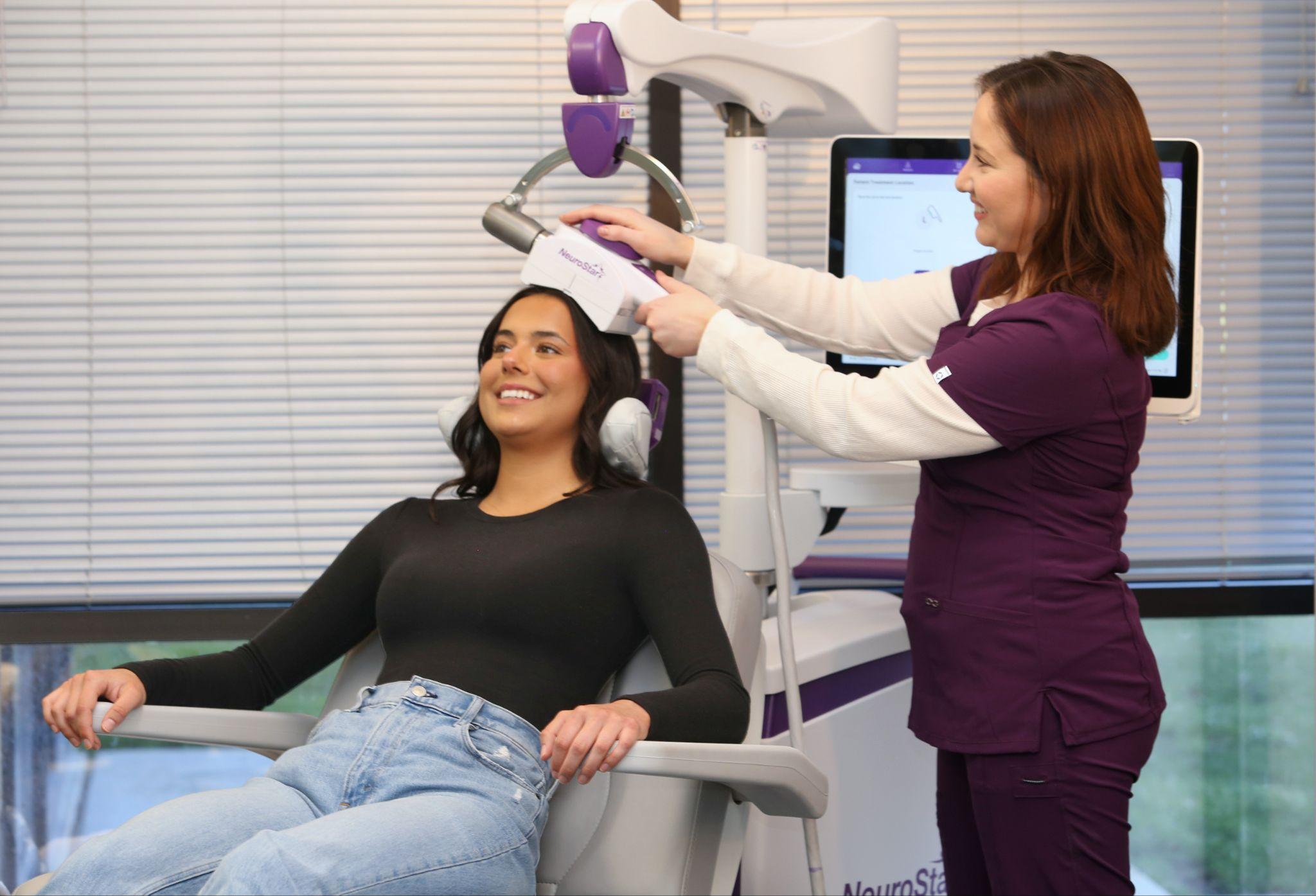
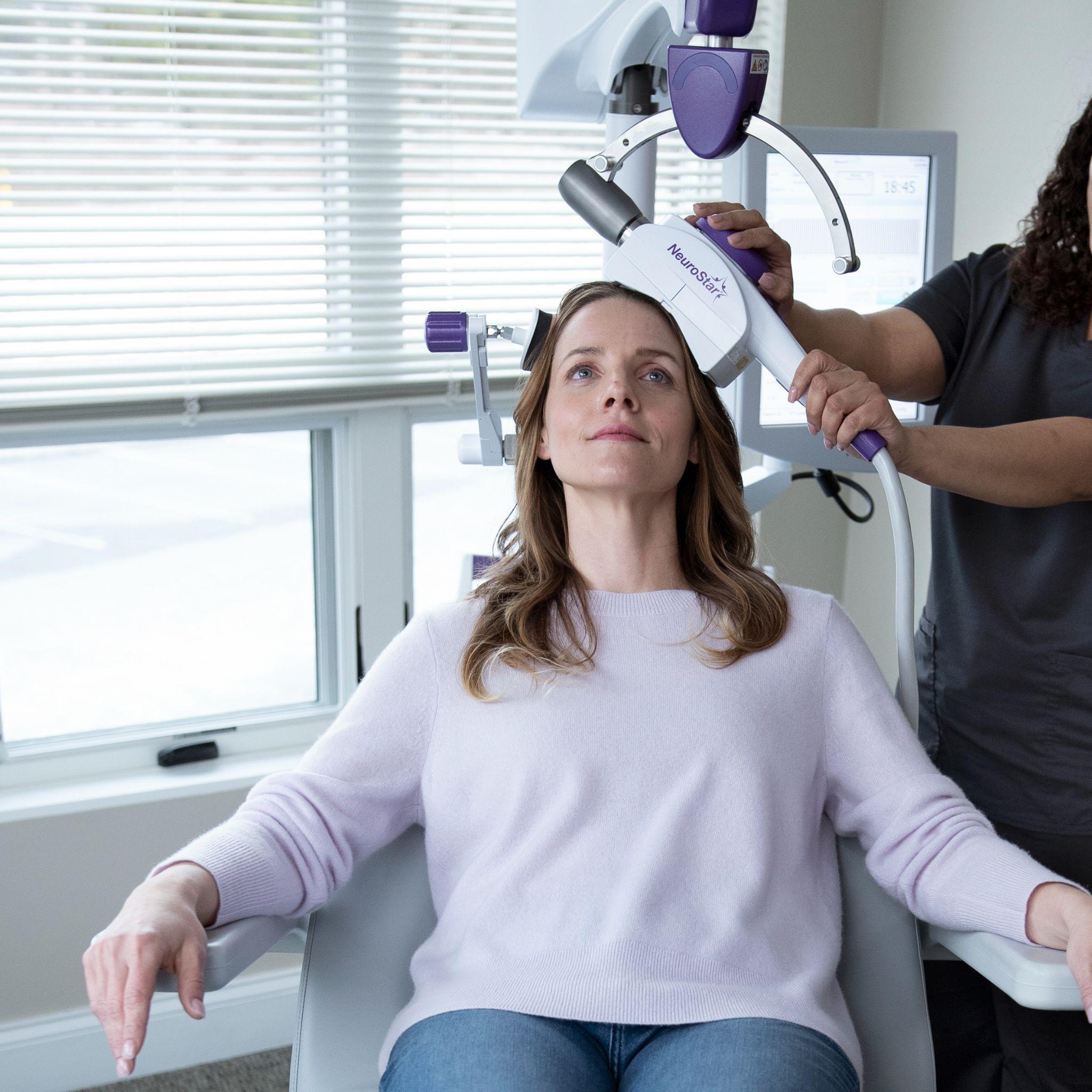
For some people, that means returning to their regular therapist or psychiatrist with a clearer plan. For others, it means medication management, interventional options like TMS therapy, additional monitoring, or referral to a more intensive service.
Crisis vs. Emergency: Knowing the Difference
| Situation | What it may look like | Where to seek care |
| Psychiatric crisis | Symptoms are worsening or causing significant distress, but you can remain safe and communicate with a healthcare professional. | Mental health urgent care or another prompt outpatient service |
| Psychiatric emergency | There is an immediate threat to your safety or someone else’s safety, such as active suicidal intent, an overdose, or severe psychosis. | Emergency department or emergency services |
This distinction matters because the level of risk helps determine where you should go. When immediate safety is in question, emergency care takes priority over urgent outpatient treatment.
According to the National Institute of Mental Health,
“Patient is at imminent risk for suicide (current suicidal thoughts)” and requires emergency psychiatric evaluation. – National Institute of Mental Health.
These warning signs can indicate that urgent outpatient care is not enough. If you or someone else may be in immediate danger, emergency evaluation is the safer option.
Go to the Emergency Department Immediately If:
- You have active suicidal intent with a specific plan
- You have attempted to harm yourself or taken an intentional overdose
- You are experiencing homicidal thoughts or violent behavior
- You have severe agitation creating an immediate safety concern
- You are experiencing severe psychosis with an inability to remain safe
- You are experiencing severe alcohol or drug withdrawal symptoms
- You have severe confusion or inability to care for basic safety needs
- You cannot safely remain at home
When there is an immediate threat to your safety or someone else’s safety, emergency evaluation is more appropriate than waiting for an urgent outpatient appointment.
If You Are Unsure
Do not try to manage a potentially dangerous situation alone. A qualified healthcare professional can help determine the appropriate level of care. When immediate safety is in question, emergency care takes priority over finding an urgent outpatient appointment.
What Happens During an Urgent Psychiatric Evaluation?
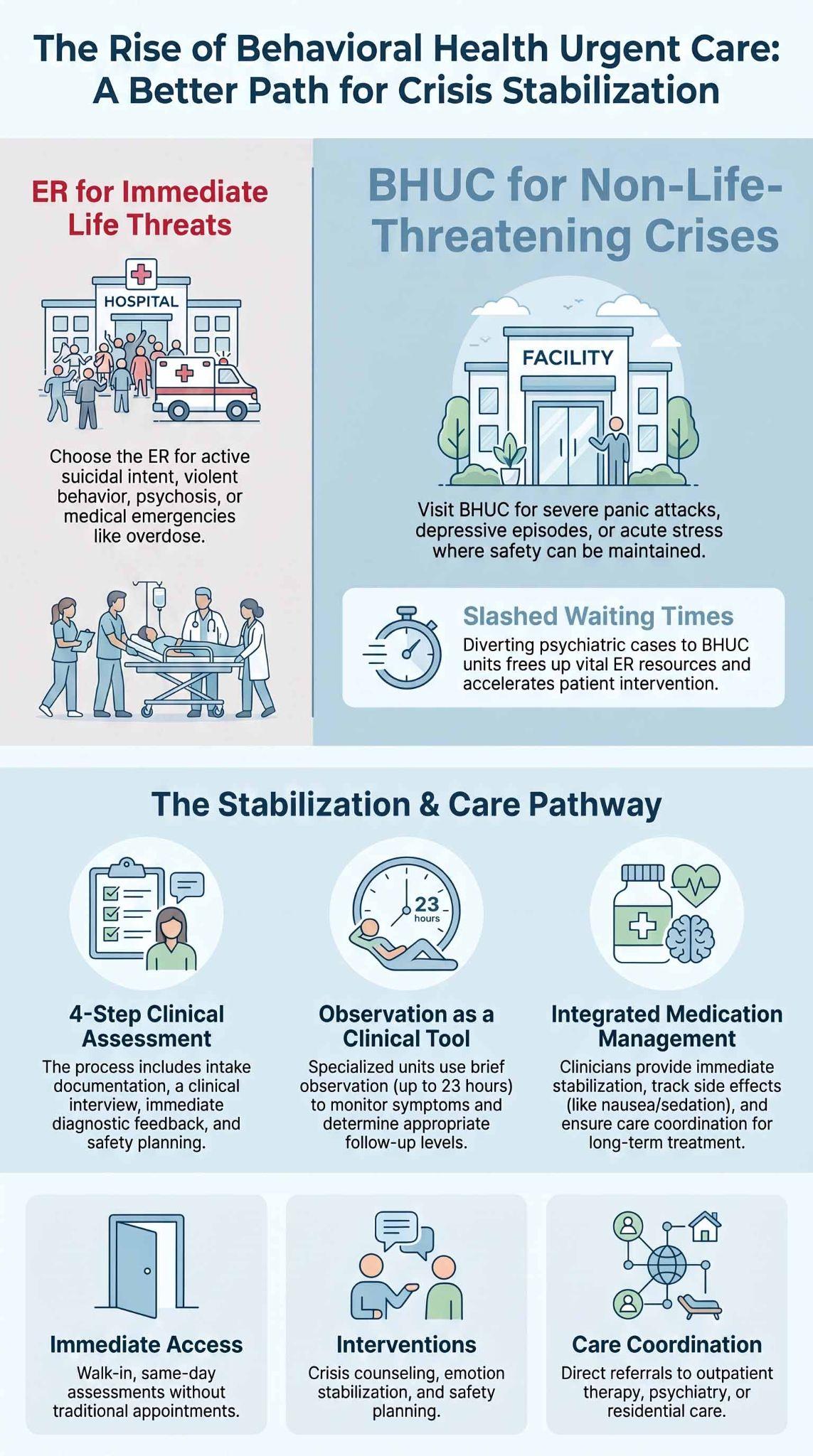
An urgent psychiatric evaluation begins with assessment of your immediate safety and current symptoms. The clinician then gathers information about your medical and mental health history to determine what type of care is appropriate.
What to Expect
Your provider will likely ask:
- When your symptoms started and whether they have become more severe
- How they are affecting your daily life
- Whether anything recently changed
- About your sleep, appetite, and medications
- About substance use, recent stressors, and previous psychiatric treatment
- About other health concerns
Questions about self-harm or suicide may be direct. These are not asked to judge you. They help the care team understand your current level of risk and determine whether you can safely receive outpatient care.
Your provider will also review your current prescriptions. If you are experiencing side effects, missed doses, confusion about instructions, or a change in symptoms after starting medication, this information helps them decide what should happen next.
Possible Next Steps

The evaluation may result in several different recommendations:
Crisis stabilization
Brief supportive counseling and strategies to reduce immediate distress.
Medication management
A medication review or short-term adjustment when clinically appropriate.
Safety planning
Identifying warning signs, coping strategies, supportive people, and emergency resources.
Outpatient referral
Connecting you with a therapist, outpatient psychiatry services, or other mental health professionals for continued treatment.
Higher level of care
Referral to an emergency department or another intensive service when your safety cannot be maintained in an outpatient setting.
The bottom line: The clinician needs to understand what changed, whether there are safety concerns, and what support will help you after the appointment. If you need continued treatment, psychiatric medication management may be part of your ongoing care plan.
If You Are in Crisis Right Now
If you’re experiencing thoughts of self-harm or feel unable to stay safe, don’t wait for a routine appointment. Seek immediate professional help.
If you’re in immediate danger, contact local emergency services or go to the nearest emergency department. If you can travel safely, ask someone you trust to stay with you or accompany you for care.
Once an immediate crisis has been addressed, ongoing mental health support can help you move forward with a care plan that fits your needs.
If you’re looking for psychiatric care or mental health services in Northern Nevada, visit Sugi Psychiatry & Wellness to learn more about available services and take the next step toward getting support.
FAQ
Can mental health urgent care treat severe anxiety or panic attacks?
Yes. Mental health urgent care can evaluate severe anxiety and panic attacks when you need prompt support but do not have an immediate threat to your physical safety. A clinician can assess the severity of your symptoms, review possible contributing factors, and determine whether you need medication support, crisis counseling, ongoing therapy, or another level of care.
If panic symptoms are accompanied by chest pain, difficulty breathing, fainting, or another potentially serious physical symptom, seek medical evaluation. Some physical conditions can produce symptoms that resemble panic.
Can you visit a psychiatric walk-in clinic without an appointment?
Many behavioral health urgent care centers accept walk-in patients or offer same-day appointments, but availability depends on the facility. Before traveling to a clinic, check its current hours and appointment requirements when possible.
If you are experiencing an immediate safety emergency, do not wait for a walk-in appointment. Contact emergency services or go to the nearest emergency department instead.
What is the difference between psychiatric urgent care and the emergency room?
Psychiatric urgent care generally addresses worsening symptoms that require prompt evaluation but do not involve an immediate threat to life or physical safety.
The emergency room is equipped to manage medical and psychiatric emergencies, including suicide attempts, intentional overdoses, severe psychosis, serious injuries, and situations in which a person cannot remain safe. Acute psychiatric presentations may also require medical assessment because physical illness, intoxication, withdrawal, or other medical problems can contribute to psychiatric symptoms.
When you are unsure which setting is appropriate, consider immediate safety first. A life-threatening situation requires emergency care rather than waiting for an outpatient appointment.
Will visiting an urgent care clinic automatically lead to hospitalization?
No. An urgent psychiatric evaluation does not automatically result in hospitalization. The clinician first evaluates your symptoms, level of risk, ability to remain safe, and available support. If outpatient treatment is appropriate, you may receive safety planning, medication guidance, crisis counseling, and recommendations for follow-up care.
Hospitalization may be recommended when the clinical team determines that you cannot safely remain in an outpatient setting. The decision depends on your individual circumstances and immediate safety needs.
What should you bring to an urgent psychiatric evaluation?
You should bring:
- Identification
- Insurance information
- A current medication list
- Relevant medical or psychiatric records, if readily available
It also helps to know the names and doses of your current medications, when your symptoms changed, and any recent medication changes. If someone you trust is helping you seek care, they may be able to provide useful information about recent changes in your behavior or functioning.
Important: Do not delay urgent care to gather paperwork. If you are in immediate danger, seek emergency help first rather than spending time collecting documents.
References
- https://pubmed.ncbi.nlm.nih.gov/39117992/
- https://www.nimh.nih.gov/research/research-conducted-at-nimh/asq-toolkit-materials/adult-ed/adult-emergency-department-brief-suicide-safety-assessment-guide