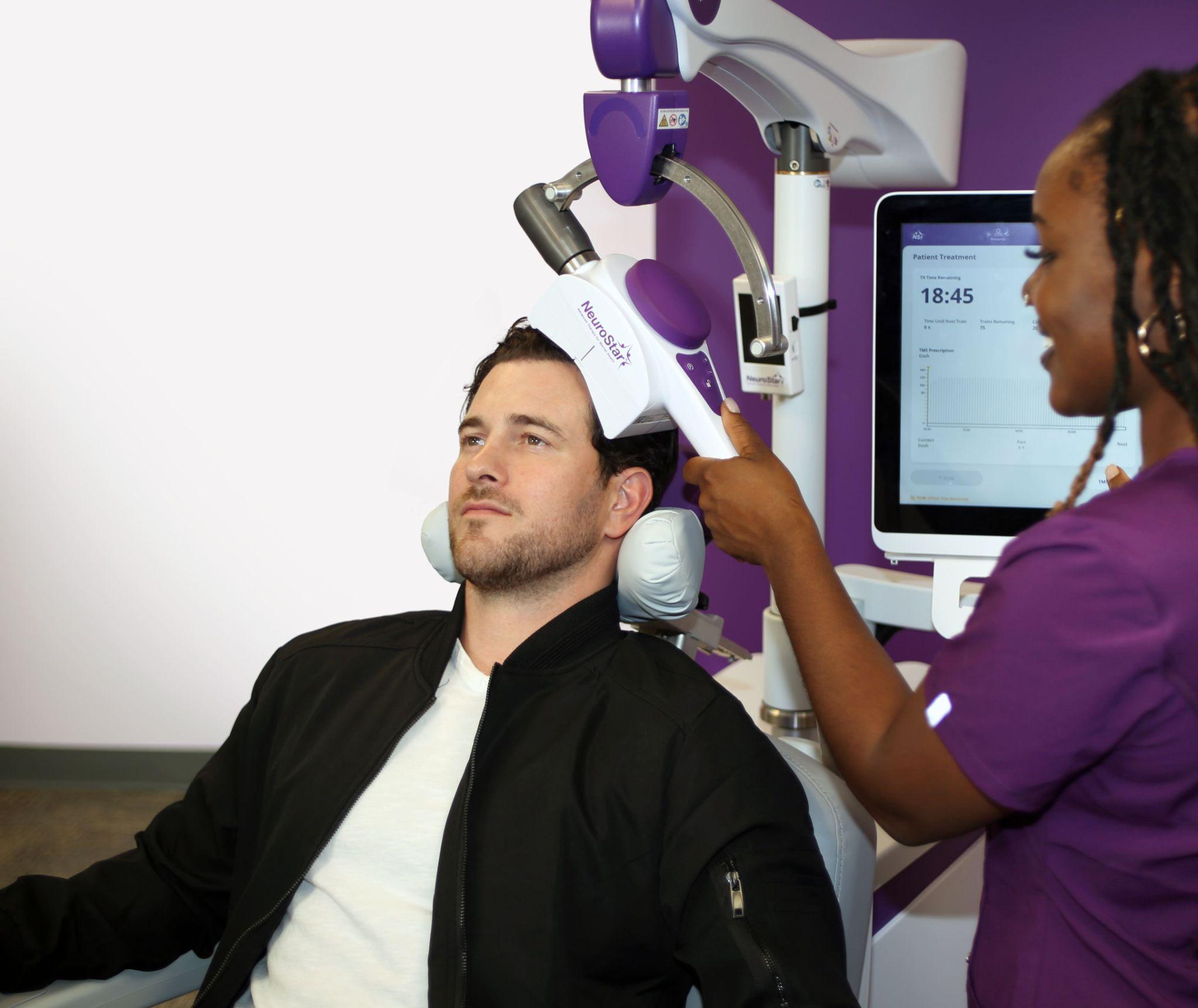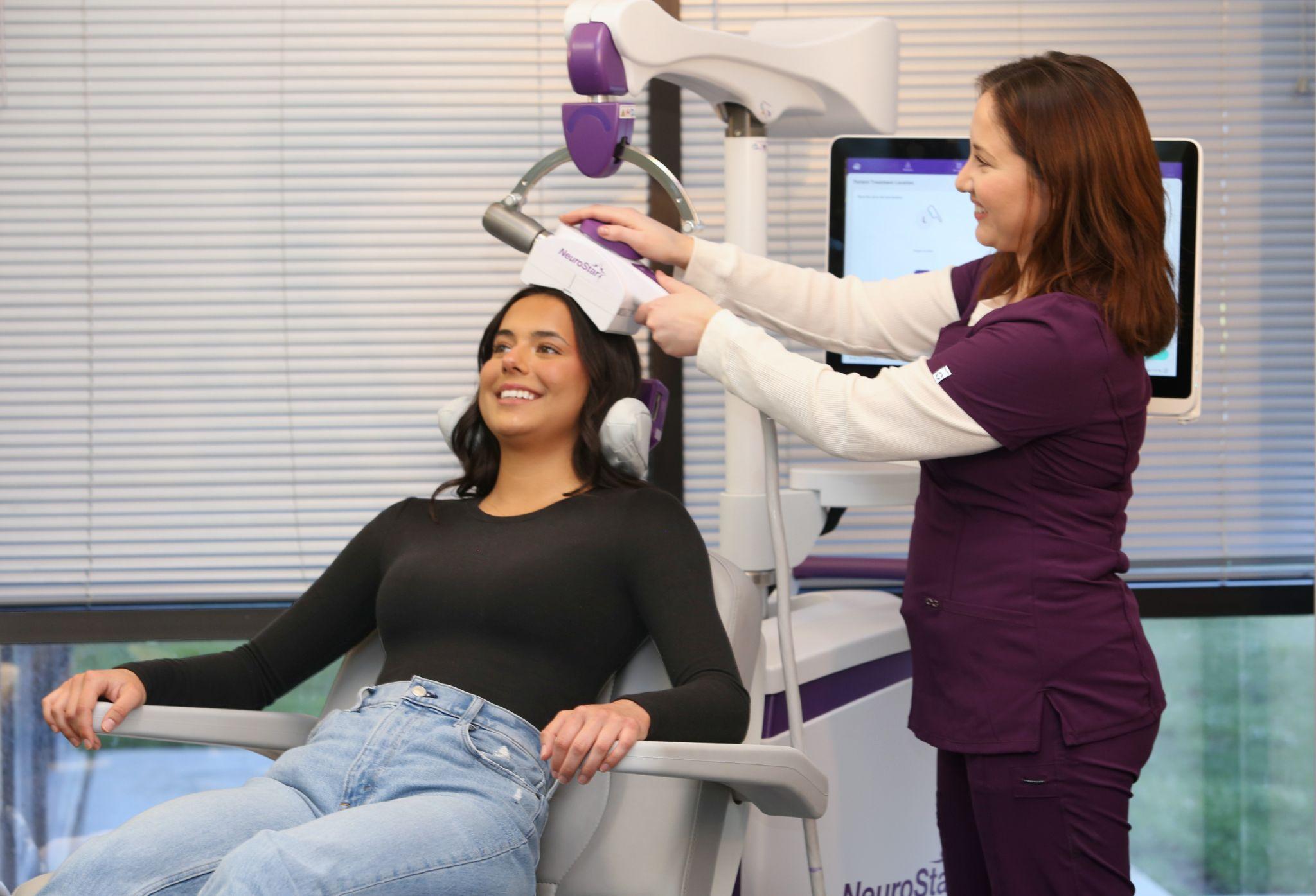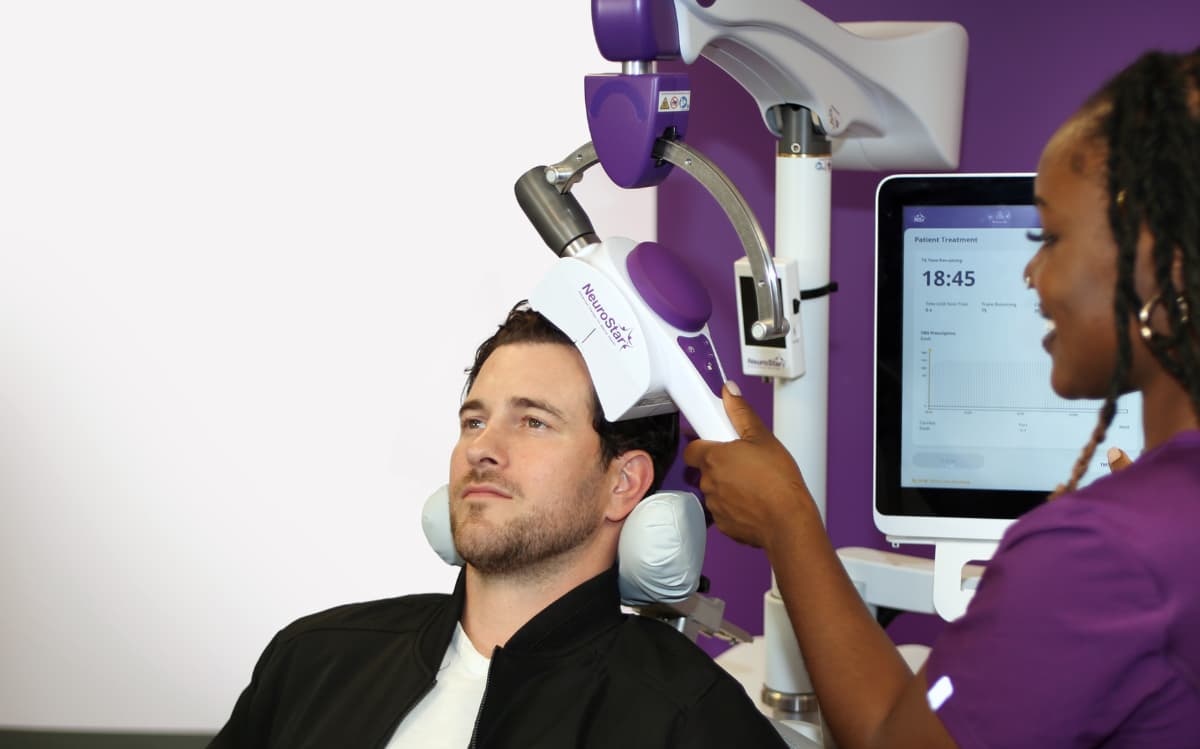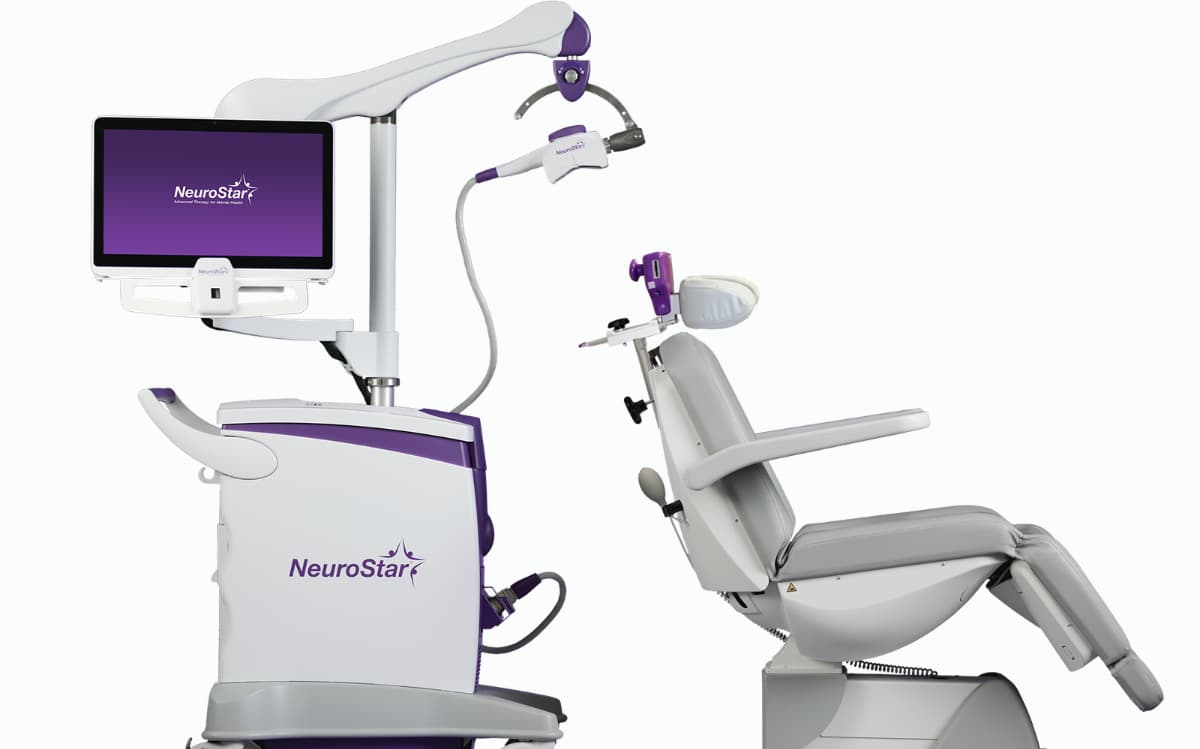


For individuals with treatment-resistant depression (TRD), TMS has demonstrated higher response rates (37.5%) and remission rates (27.1%) than antidepressant switching in randomized clinical trials.
In one randomized clinical study, patients treated with TMS achieved higher response and remission rates than those who changed medications.
While antidepressants remain an effective first-line treatment for many people, TMS has become an important option when symptoms persist despite medication trials. Continue reading to learn how TMS compares with antidepressants and which patients may benefit most from treatment.
Key Takeaways
- Neither TMS nor antidepressants are universally superior for every patient.
- Antidepressants remain the standard first-line treatment for most newly diagnosed cases of major depressive disorder.
- TMS may offer advantages after two or more unsuccessful antidepressant trials, particularly when incomplete symptom remission persists or when medication-related adverse effects become difficult to tolerate.
Is TMS Better Than Antidepressants? The Short Answer
No, TMS is not universally better than antidepressants. For many people with depression, antidepressant medications remain the recommended first treatment because they are widely available, well studied, and effective for many patients.
However, at Sugi Psychiatry, NeuroStar TMS Therapy typically becomes a strong option when depression has not improved after one or more medication trials.
The key question is not whether TMS is better for everyone. The more useful question is whether TMS may offer better results after medications have failed to provide adequate relief. In that setting, research has shown encouraging outcomes.
| Factor | TMS | Antidepressants |
| First-line treatment? | Usually no | Usually yes |
| Side effects | Mostly localized | Systemic adverse effects possible |
| Convenience | Requires clinic visits | Daily medication |
| Best for treatment-resistant depression? | Frequently yes | Variable |
| Accessibility | More limited | Widely available |
| Mechanism | Neuromodulation of the left dorsolateral prefrontal cortex and associated mood-regulation networks | Neurotransmitter modulation throughout the brain and body |
A notable study found a 37.5% response rate with TMS compared with 14.6% after switching antidepressants in patients with treatment-resistant depression.
When Does TMS Outperform Another Antidepressant Switch?

For patients who have tried several antidepressants without enough improvement, TMS may work better than switching to another medication. This is why TMS is often considered for treatment-resistant depression.
TMS works differently from antidepressants. Medications affect brain chemicals such as serotonin, norepinephrine, and dopamine.
Knowing exactly what does TMS treatment do to target specific brain networks helps clarify how it successfully induces neuroplasticity. Because of this localized approach, TMS may help some patients who have not responded well to medication alone.
Treatment decisions should always be based on an individual patient's history and symptoms. Still, research shows that TMS can remain effective even after multiple antidepressant trials have failed. For some patients, it provides another evidence-based treatment option before moving to more invasive interventions.
Prior Treatment Failure Influences Future Treatment Success
Past treatment history can affect the chances of future improvement. Large studies, including STAR*D, found that remission rates often decrease after each unsuccessful antidepressant trial.
As noted by former NIMH Director Thomas Insel, M.D.,
The trial's central purpose was determining how to help the "70 percent of patients for whom treatment with a representative SSRI is not enough for remission." – National Alliance on Mental Illness (NAMI)
As depression becomes harder to treat, finding the right treatment can become more challenging. TMS offers a different approach than medication. Instead of targeting brain chemicals throughout the body, it stimulates specific brain regions involved in mood regulation.
This difference may help explain why some patients respond to TMS even after several antidepressants have not provided enough relief.
Clinical Trial Results Comparing TMS and Antidepressants
Research by Dalhuisen and colleagues reported:
- 37.5% response rate with TMS
- 14.6% response rate with antidepressant switching
- 27.1% remission rate with TMS
- 4.9% remission rate with antidepressant switching
From a clinical standpoint, the discussion often centers on whether TMS is more likely to help than another medication adjustment after several prior treatments have already been unsuccessful.
How Treatment-Resistant Depression Changes Treatment Decisions

The more antidepressants a patient has tried without meaningful improvement, the more reasonable it becomes to consider alternative treatments such as TMS.
Treatment-resistant depression (TRD) is not a separate diagnosis, but it does describe a group of patients who often face greater challenges achieving remission with medication alone. Research has shown that the likelihood of success generally decreases after each unsuccessful antidepressant trial.
As a result, clinicians often begin discussing additional evidence-based treatment options when symptoms remain significant despite appropriate medication treatment.
TMS has gained attention in this setting because it works differently from antidepressants. Rather than changing neurotransmitter levels throughout the body,
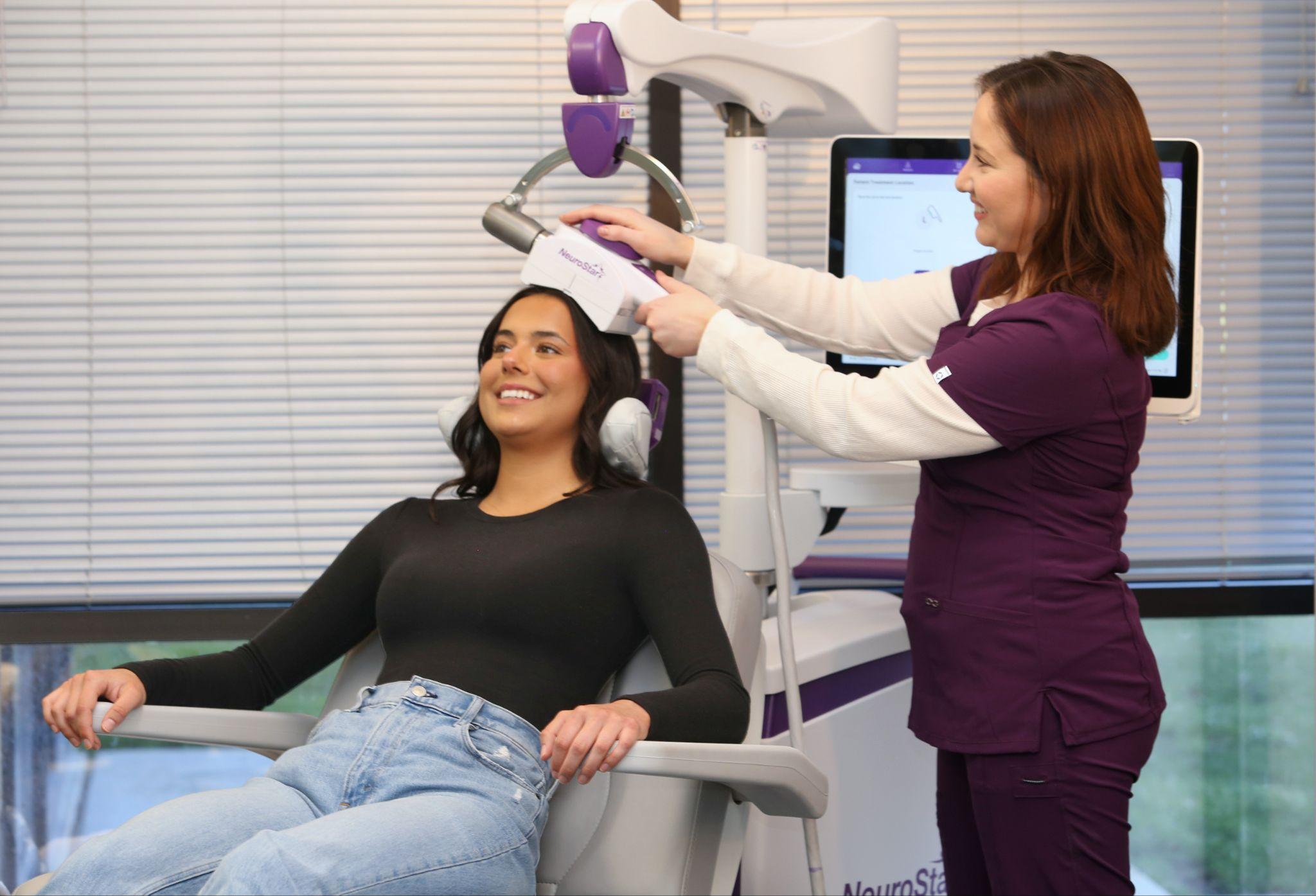
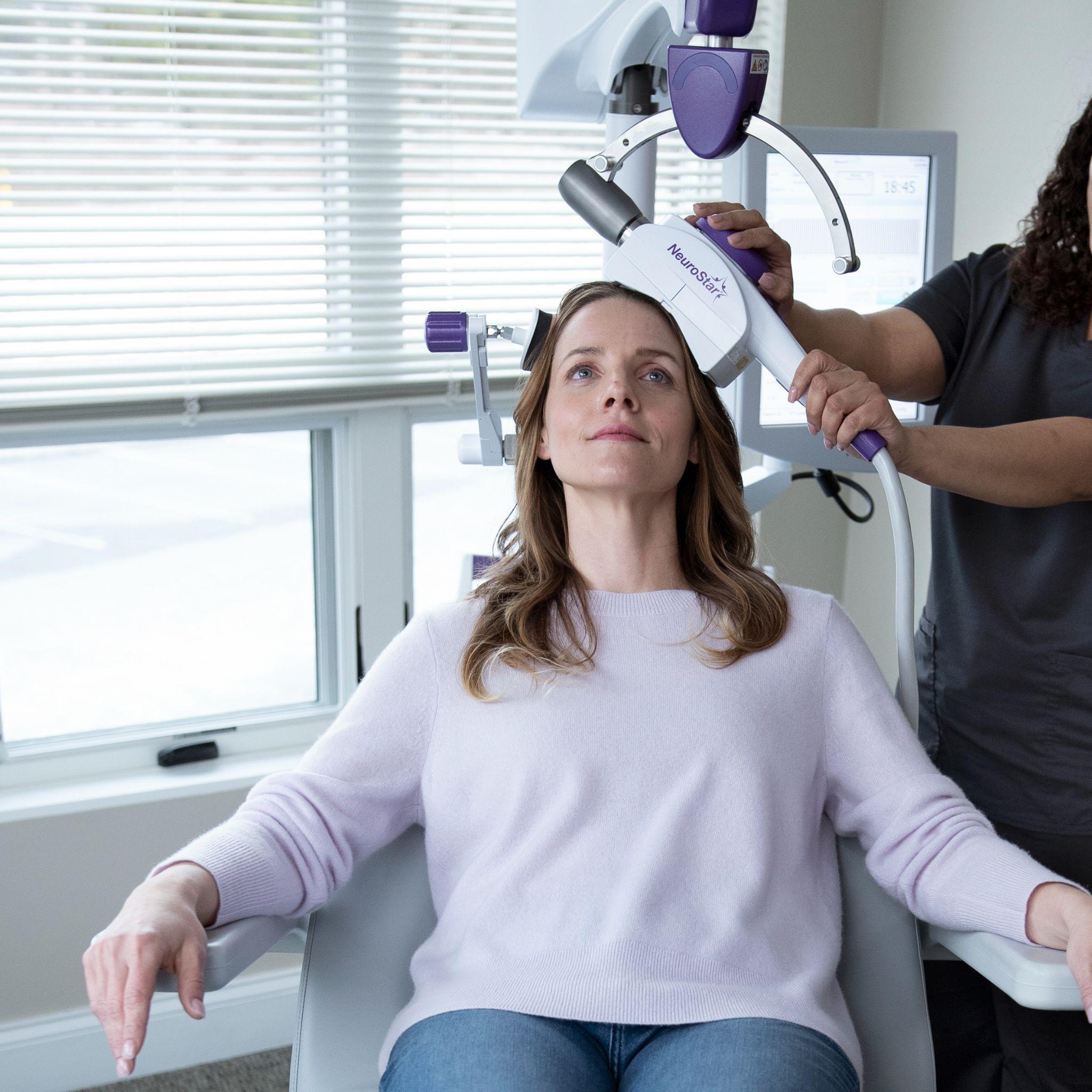
TMS uses targeted magnetic stimulation to influence brain networks involved in mood regulation. For patients who have not responded to medication, this different approach may offer another path forward.
What Qualifies as Treatment-Resistant Depression?
Many clinical studies define TRD as failure of at least two antidepressants from adequate dose and duration trials.
- Failure of two or more antidepressants
- Adequate medication dosage
- Appropriate treatment duration
- Persistent clinically significant depressive symptoms
A thorough psychiatric evaluation helps determine whether a patient meets these criteria and whether other factors may be contributing to ongoing symptoms.
Why Does TMS Gain Ground Here?
Several factors make TMS an attractive option for treatment-resistant depression:
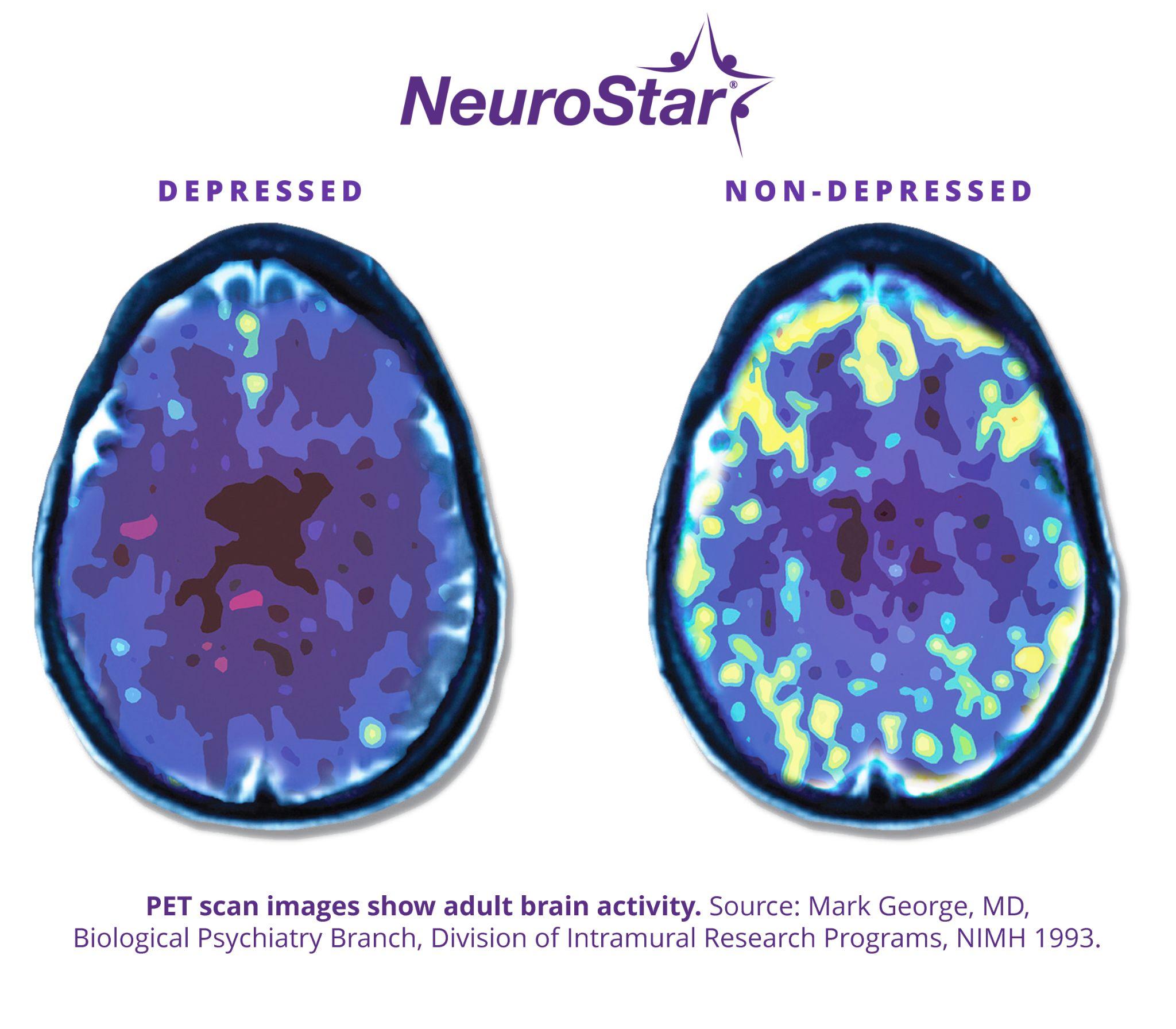
- Direct modulation of hypoactive prefrontal cortical networks implicated in depression
- Noninvasive outpatient treatment
- No systemic medication exposure
- Compatibility with psychotherapy
- Can be used alongside medication management
As noted by Mayo Clinic,
"Uses magnetic fields to stimulate nerve cells in the brain" to improve symptoms of major depression, particularly for patients who have not responded to standard pharmacological approaches. – Mayo Clinic
Systematic reviews continue to support TMS as an effective treatment option after multiple antidepressant failures.
At Sugi Psychiatry, NeuroStar provides an FDA-cleared TMS platform for major depressive disorder (MDD), obsessive-compulsive disorder (OCD), and anxious depression when standard treatment approaches have not provided sufficient improvement.
TMS is incorporated into a broader treatment plan that may include psychotherapy, medication management, and ongoing psychiatric care when clinically appropriate.
Why Some Patients Consider TMS After Antidepressant Side Effects

For some patients, the decision to explore TMS is driven by side effects as much as symptom control. While antidepressants help many people, not everyone tolerates them well. Some patients experience only partial improvement despite several medication trials.
Others find that side effects begin to affect their quality of life, daily functioning, or willingness to continue treatment.
TMS is often considered in these situations because it works through a different mechanism and does not expose the entire body to medication.
Families collaborating with modern interventional clinics that provide comprehensive mental health services find that it is not necessarily a replacement for antidepressants, but it may offer another option when symptom relief remains incomplete or medication-related side effects become difficult to manage.
Which Antidepressant Side Effects Prompt Patients to Consider TMS?
Common concerns include:
- Sexual dysfunction
- Weight gain
- Fatigue
- Nausea
- Emotional blunting
- Gastrointestinal symptoms
These side effects vary from person to person. Even when a medication improves mood, ongoing adverse effects can influence treatment satisfaction and long-term adherence.
Common Side Effects of TMS Therapy
The most commonly reported side effects include:
- Mild headache
- Scalp discomfort
- Temporary treatment-site sensitivity
Because TMS targets specific brain regions, it does not typically cause weight gain, sexual dysfunction, or gastrointestinal side effects.
Clinical reports continue to show response rates of approximately 50% to 60% and remission rates of roughly 30% to 35% among patients with treatment-resistant depression.
Why Antidepressants Remain First-Line Treatment for Depression
Despite growing interest in TMS, antidepressants remain the recommended first-line treatment in most clinical guidelines. They are widely available, familiar to healthcare providers, and can often be started quickly through a primary care physician or psychiatrist.
For many patients, medication provides meaningful symptom improvement without requiring specialized treatment schedules. TMS is usually considered after standard approaches have not provided adequate results or have caused unacceptable side effects.
Antidepressants Easier to Start Than TMS?
Several factors contribute to the widespread use of antidepressants:
- Broad availability
- Lower upfront cost
- Simple administration
- Extensive clinical experience
- Insurance familiarity
These advantages make medication a practical starting point for many patients seeking treatment for depression.
Barriers to Accessing TMS Treatment
TMS can be highly effective, but practical barriers sometimes limit access:
- Prior authorization requirements
- Treatment scheduling demands
- Geographic availability
- Transportation considerations
Standard TMS protocols often require five treatment sessions per week for four to six weeks. (Verywell Health)
The U.S. Food and Drug Administration (FDA) has cleared several TMS systems for specific psychiatric conditions. It is important to describe these devices as FDA-cleared rather than FDA-approved.
Patients considering TMS should discuss eligibility, treatment expectations, and logistical considerations with their treating clinician before beginning therapy.
The Time Commitment Required for TMS Treatment
For many patients, the biggest challenge with TMS is not the treatment itself. It is the time commitment. Unlike medication, which can be taken at home, TMS requires regular office visits over several weeks.
Evaluating what is the time frame for TMS ahead of time helps patients plan their daily transportation and determine whether the outpatient schedule fits their career and lifestyle.
Most patients tolerate TMS well and can return to work, school, or daily activities immediately after each session. However, consistency is important.
Missing appointments may interrupt the treatment schedule and potentially affect results. For this reason, planning ahead often improves the overall treatment experience.
What Should Patients Expect During a TMS Treatment Course?
Patients should consider:
- Transportation
- Daily appointments
- Work schedule adjustments
- Consistent attendance
- Insurance verification
- Follow-up assessments
A typical course involves approximately 25 to 36 treatment sessions delivered over several weeks.
Why Completing the Full TMS Course Matters
TMS works through repeated stimulation of specific brain networks involved in mood regulation. The benefits build over time rather than after a single session.
Completing the full treatment course gives patients the best opportunity to achieve a meaningful response and allows clinicians to evaluate outcomes accurately.
Can TMS Improve Anxiety and Anhedonia Better Than Medication Changes?

Emerging research suggests that TMS may provide additional benefits for certain symptoms that often remain difficult to treat with medication alone. Two examples are anxiety and anhedonia, the reduced ability to experience pleasure or enjoyment.
These symptoms can persist even when overall depression improves. Because they have a significant impact on quality of life, researchers have paid increasing attention to how different treatments affect them.
Symptoms That May Improve More With TMS
Research comparing TMS with antidepressant switching found greater improvement in:
- Anxiety symptoms
- Anhedonia
These findings suggest that some patients may experience benefits beyond overall mood improvement.
Symptoms With Similar Outcomes Between TMS and Antidepressants
Some symptom domains showed less separation between treatment approaches, including:
- Sleep disturbance
- Rumination
- Cognitive reactivity
Research in this area continues to evolve, but current findings support the role of TMS as either a standalone treatment or an adjunct to ongoing psychiatric care for selected patients.
Why Some Patients Do Not Respond to TMS
While TMS is supported by a growing body of evidence, no depression treatment works for everyone. Some patients achieve remission, others experience partial improvement, and some notice little change despite completing treatment.
This variability is common across all evidence-based depression treatments and reflects the complexity of depressive disorders. Individual biology, symptom patterns, and treatment history all influence outcomes.
Factors That Influence TMS Treatment Response
Several factors can influence treatment outcomes:
- Depression subtype
- Coexisting psychiatric conditions
- Session attendance
- Stimulation protocol
- Individual brain network characteristics
Even among carefully selected patients, meaningful improvement cannot be guaranteed.
Real-World TMS Outcomes and Response Rates
Real-world studies generally report response rates near 50%, rather than near-universal success.
Because of this, standard clinical guidelines state that the procedure is not generally recommended as a first-line intervention for mild depression or for individuals who remain stable on current medication regimens.
Additionally, patients with certain non-removable conductive metal implants near the head, cochlear implants, or deep brain stimulators may not be eligible due to established safety considerations.
How Clinicians Measure TMS Treatment Success
Clinicians do not rely on impressions alone when evaluating Transcranial Magnetic Stimulation (TMS).
Instead, they use standardized assessment tools to track symptom changes over time and determine whether treatment is producing meaningful clinical improvement.
Most patients complete symptom questionnaires before and during treatment. These measurements help establish a baseline, monitor progress, and guide treatment decisions. Tracking symptoms in a structured way also helps distinguish temporary fluctuations from true clinical improvement.
In practice, clinicians evaluate more than mood symptoms alone. They also consider changes in sleep, energy, concentration, motivation, anxiety, daily functioning, and overall quality of life.
A patient who returns to work, reconnects with family, or resumes normal activities may be showing meaningful recovery even if some symptoms remain.
Using validated measurement tools creates a more objective way to assess treatment response and helps patients understand their progress throughout the course of care.
Which Metrics Matter Most?
| Measure | Purpose |
| PHQ-9 | Depression severity |
| GAD-7 | Anxiety symptom tracking |
| HAM-D | Research benchmark |
| MADRS | Depression outcome assessment |
| Response rate | ≥50% symptom improvement |
| Remission rate | Near-complete symptom resolution |
Why Are These Scores Important?
These tools provide a consistent way to measure progress. They help clinicians decide whether treatment should continue, whether adjustments are needed, or whether additional therapies should be considered.
Long-term studies suggest that many patients who respond to TMS maintain benefits for months and, in some cases, up to a year or longer after treatment.
Can Accelerated TMS Improve Convenience Without Sacrificing Results?
One of the most common concerns about TMS is the time commitment. Traditional protocols often require treatment five days per week for four to six weeks. Because of this, researchers have explored whether treatment can be delivered more efficiently without sacrificing effectiveness.
Accelerated TMS protocols aim to shorten the overall treatment timeline by delivering multiple sessions during a single day.
While researchers continue to evaluate how compressed timelines alter recovery across different TMS approved conditions, this approach has generated significant interest because it may improve access for patients who struggle with work schedules or regional travel barriers.
While early results appear encouraging, accelerated protocols remain an evolving area of research. Studies continue to examine long-term outcomes, safety, durability of response, and which patient groups benefit most.
At present, standard TMS remains the most widely used and extensively studied approach, but accelerated treatment models may play a larger role as additional evidence becomes available.
What Is Accelerated TMS?
Accelerated TMS delivers several treatment sessions in a single day rather than spreading sessions across multiple weeks. The goal is to shorten the overall treatment course while targeting the same brain networks involved in depression and other psychiatric conditions.
Why Is Interest Growing?
Researchers are evaluating whether compressed treatment schedules can improve convenience while maintaining effectiveness.
Early studies have shown promising results, particularly for treatment-resistant depression, but additional research is needed before these protocols become standard practice.
| Offering | Details & Limitations |
| TMS for MDD, OCD, and Anxious Depression | FDA-cleared, noninvasive treatment integrated into whole-person psychiatric care |
| Combined Therapy Use | May be used alongside psychotherapy and medication management |
| Office-Based Treatment | No anesthesia or sedation required |
| Insurance Coverage | Many major insurance plans provide coverage when clinical criteria are met |
| Exclusion Criteria | Certain metallic implants, cochlear implants, deep brain stimulators, and other contraindications |
| First-Line Treatment? | Generally reserved for patients with inadequate response to antidepressants |
Taking the Right Steps Toward Better TMS Outcomes
Depression can be difficult to manage when standard treatments haven't brought enough relief, and it's important to have realistic expectations. At Sugi Psychiatry & Wellness, NeuroStar TMS is delivered within a structured interventional psychiatry program, with treatment plans tailored to each patient. Results vary, but consistent treatment and ongoing follow-up can improve outcomes. That's the reality.
If you're exploring options for treatment-resistant depression, OCD, or anxious depression, Sugi Psychiatry & Wellness offers a personalized approach that combines TMS with medication management or therapy when needed. To learn more or schedule a consultation, visit Sugi Psychiatry & Wellness and take the next step toward lasting improvement.
FAQ
When do doctors choose treatment-resistant depression TMS therapy over a standard antidepressant switch?
Clinicians typically recommend a treatment-resistant depression TMS protocol when a patient becomes an antidepressant nonresponder after failing two or more medication trials.
Instead of initiating another antidepressant switch across different antidepressant classes, such as an SSRI, SNRI, tricyclic antidepressant, or MAOI, noninvasive neuromodulation directly targets the underactive left dorsolateral prefrontal cortex to safely rebuild damaged neural circuits.
How do antidepressant side effects compare to the typical safety profile of noninvasive TMS monotherapy?
Standard pharmacotherapy often causes systemic issues, forcing patients to investigate a TMS medication comparison. While pills frequently trigger antidepressant side effects like weight gain, fatigue, and severe sexual dysfunction, transcranial magnetic stimulation boasts an excellent safety profile.
Because this outpatient treatment is entirely noninvasive, it bypasses the bloodstream, causing zero weight changes or adverse cognitive effects.
Can a randomized controlled trial prove that accelerated TMS offers rapid relief?
Yes, multiple clinical trial designs and recent sham-controlled TMS studies confirm that accelerated TMS provides rapid relief from severe depressive clusters.
While standard session frequency requires daily visits for six weeks, a compressed protocol delivers multiple theta burst stimulation sessions in a single day. This advanced dosing achieves early improvement and matches the long-term TMS remission rate of standard schedules.
Is TMS augmentation with concurrent psychotherapy more effective than using brain stimulation alone?
Absolutely, combining specialized TMS neuromodulation with professional talk therapy often yields the highest real-world outcomes.
A large registry study highlights that TMS combination therapy creates a powerful synergistic effect. Utilizing bilateral stimulation or targeted theta burst patterns while simultaneously participating in psychotherapy helps maximize a patient's total HAM-D reduction, significantly improving long-term durability and relapse prevention.
What do international clinical guidelines say about TMS cost-effectiveness and insurance coverage?
Major medical frameworks, including the prominent TMS Dutch guideline, now position brain stimulation as a dominant treatment in modern stepped care.
Extensive economic data demonstrates excellent TMS cost-effectiveness by measuring improvements in quality-adjusted life years (TMS QALY). Because it successfully reduces long-term healthcare costs and subsequent hospitalizations, standard TMS insurance coverage is widely approved for major depressive disorder.
References
- https://www.nami.org/press-releases/study-looks-at-treatment-resistant-depression/
- https://www.mayoclinic.org/tests-procedures/transcranial-magnetic-stimulation/about/pac-20384625