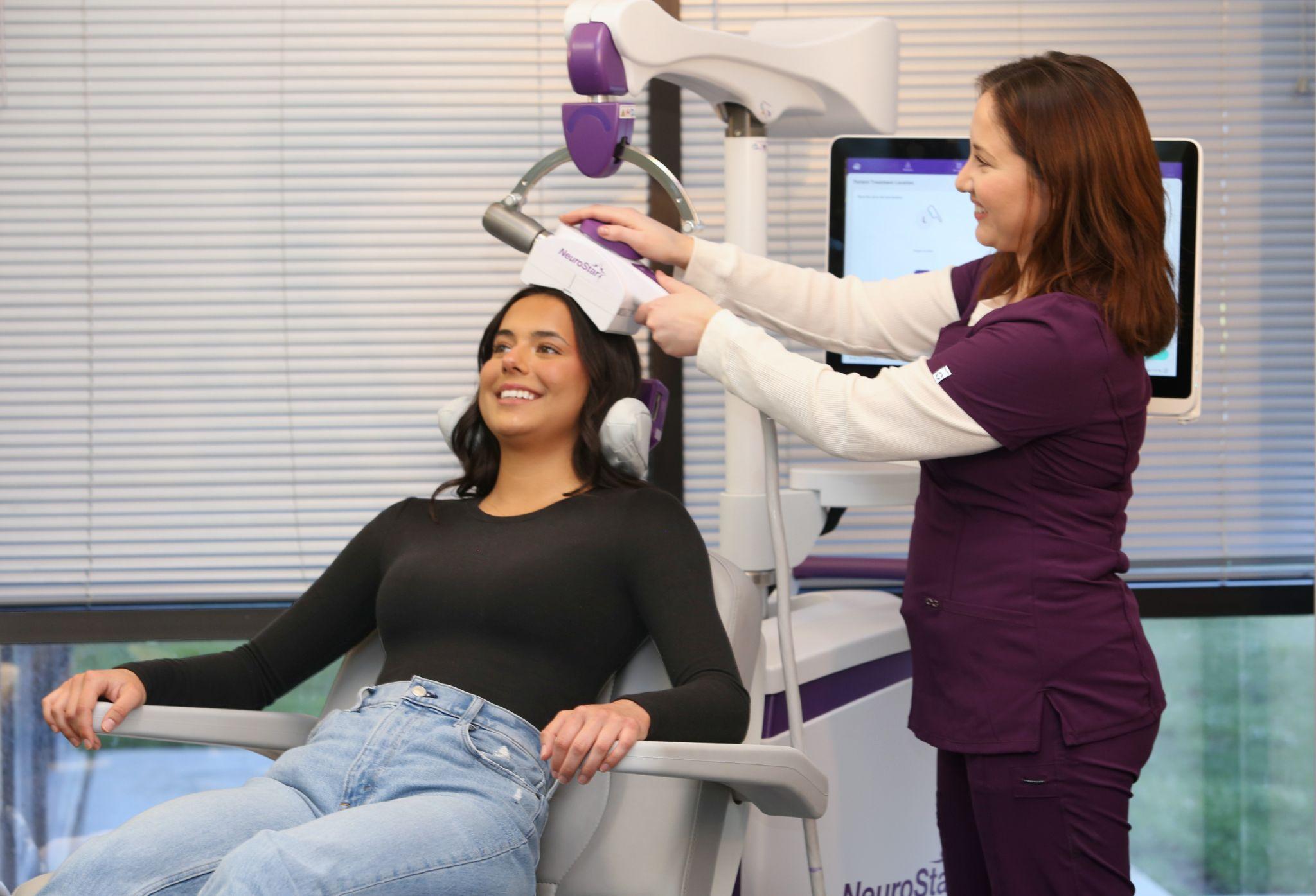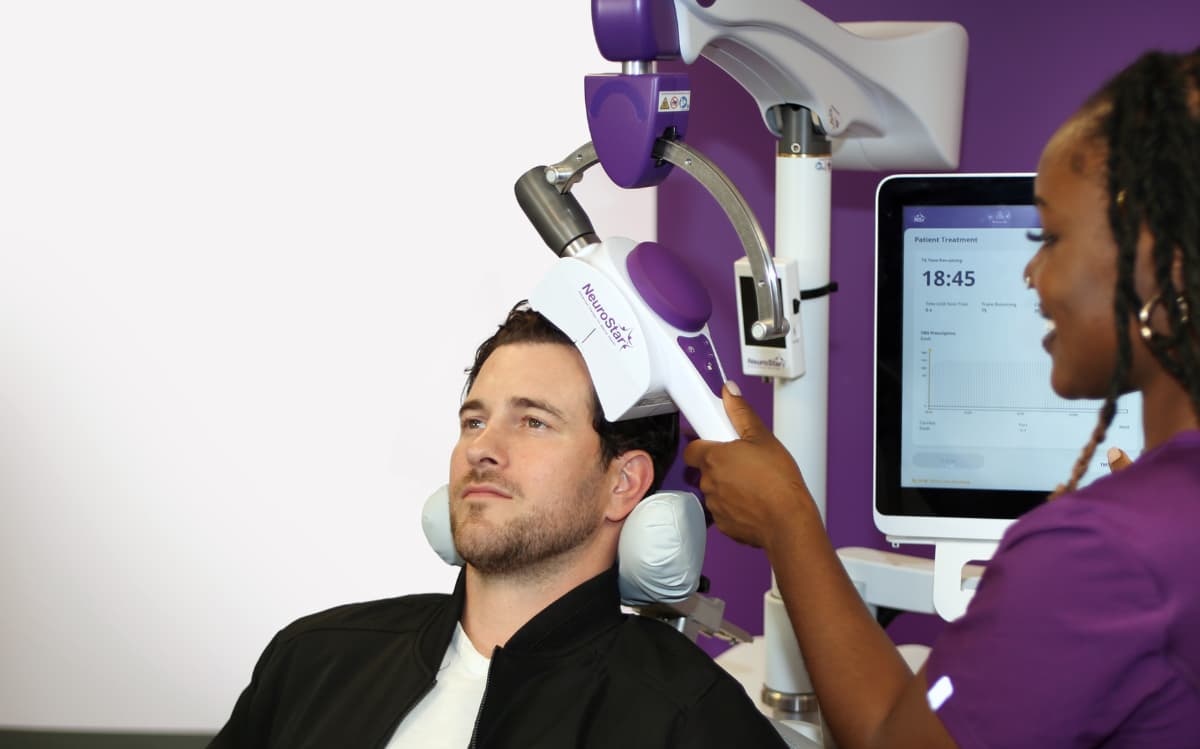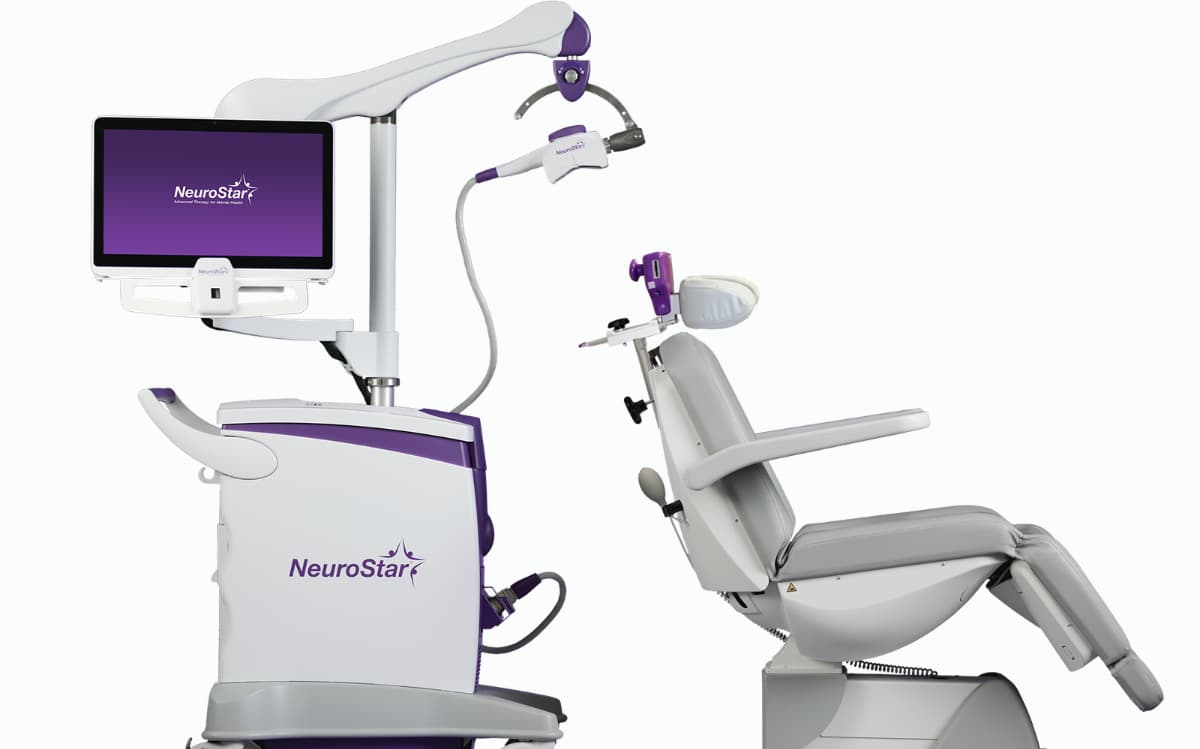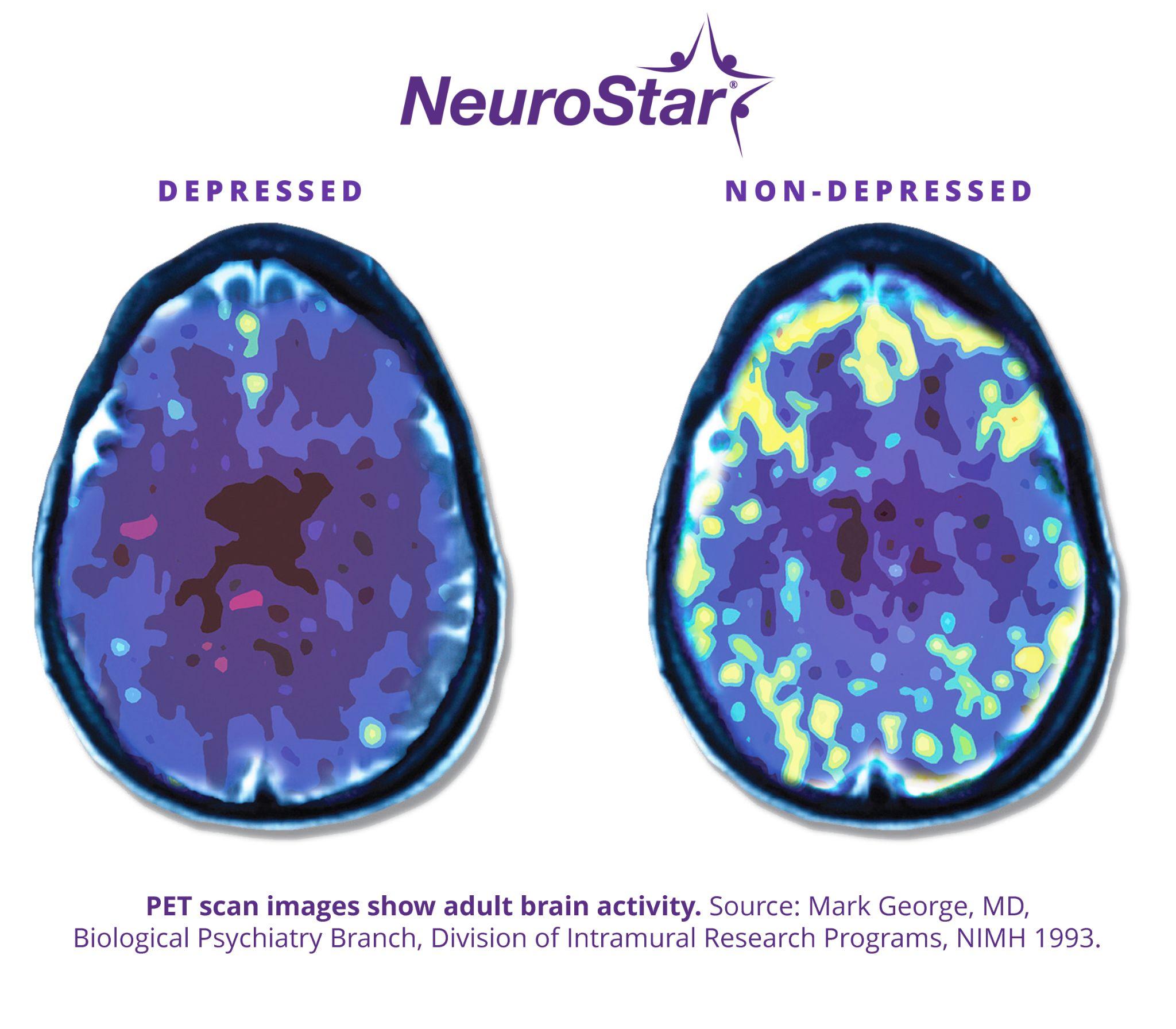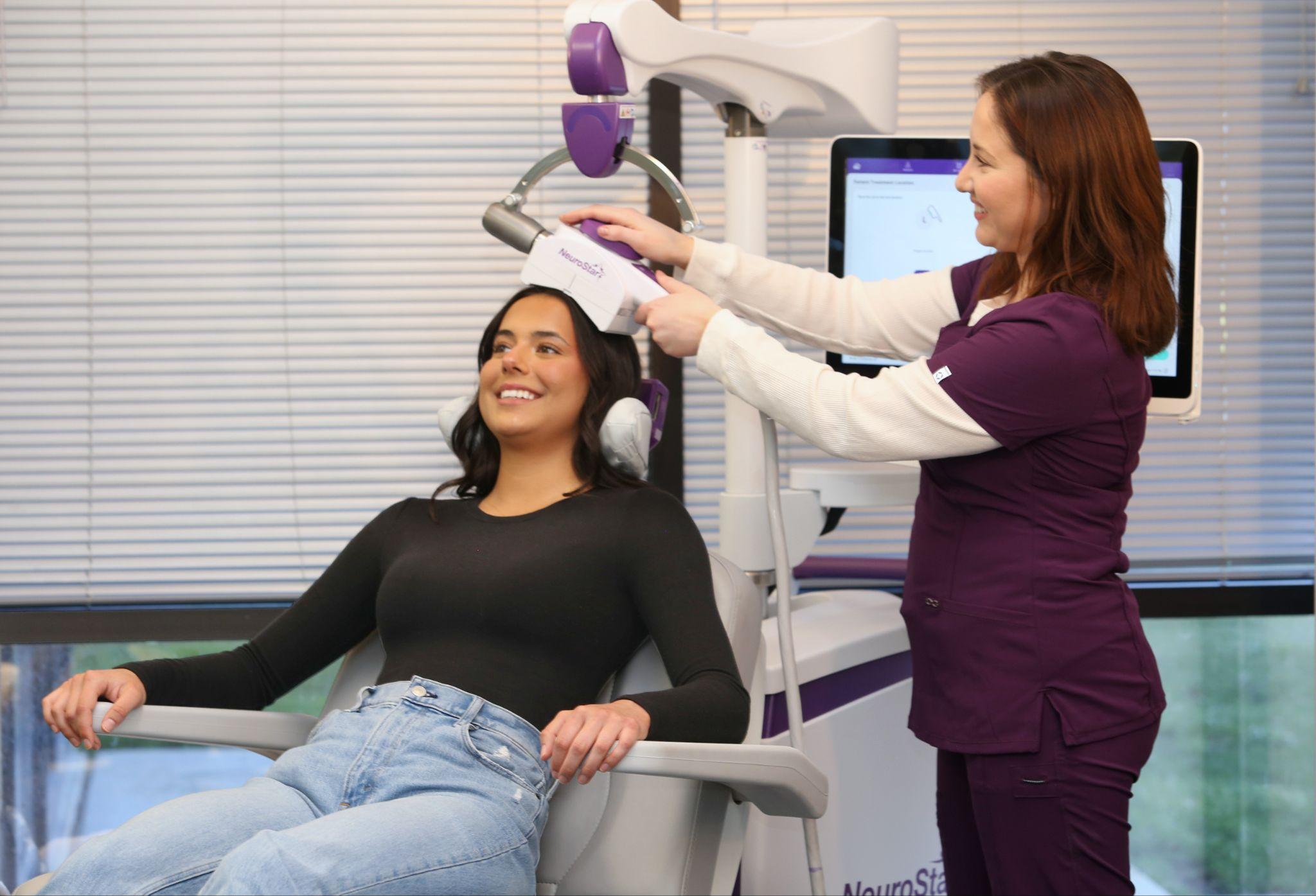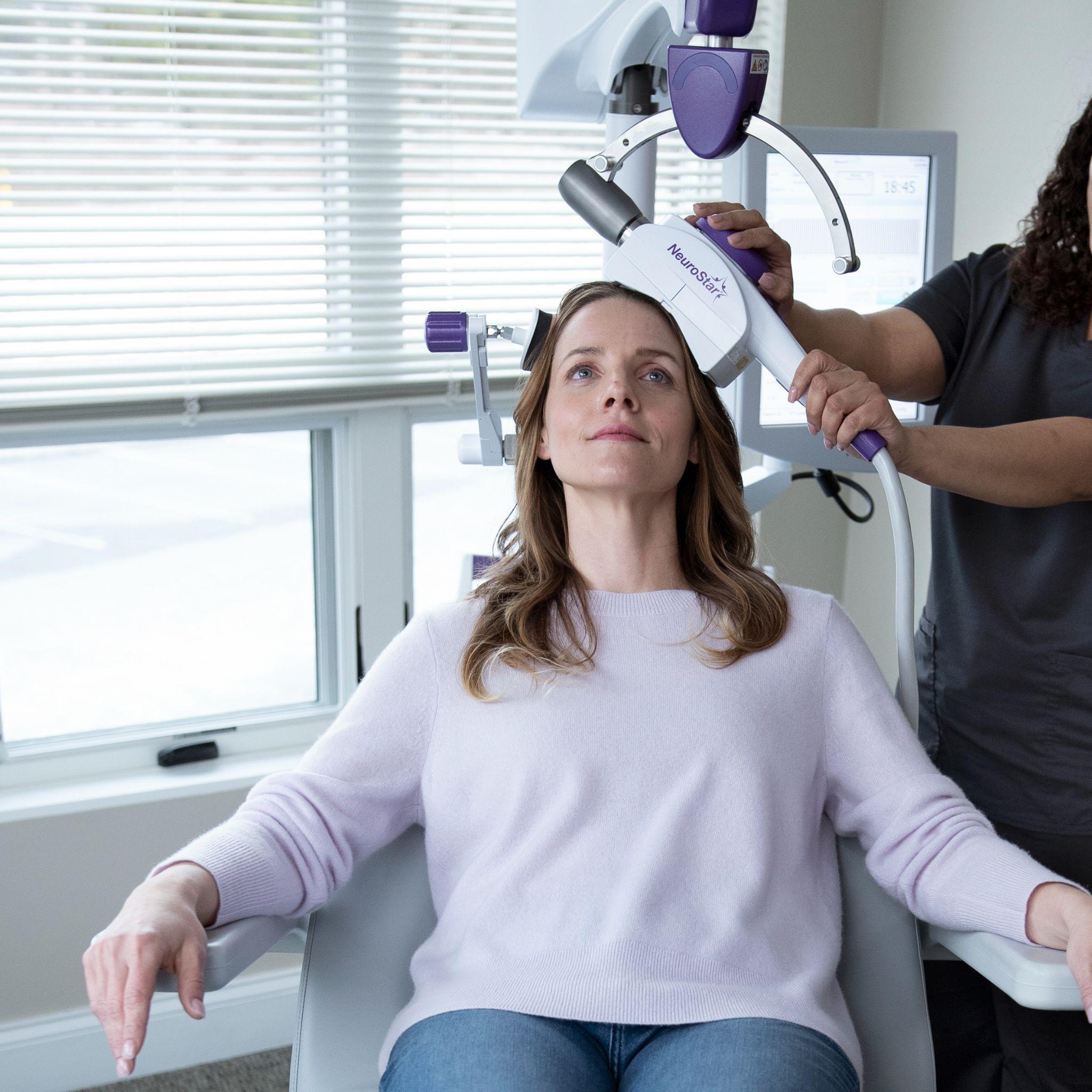


TMS therapy in the United States usually ranges from $6,000 to $15,000 for a full course, though many patients pay far less with insurance, sometimes as little as $0 to $25 per session. This non-invasive treatment, delivered through FDA-cleared systems like NeuroStar, is commonly used for conditions such as major depressive disorder, OCD, and anxious depression, especially when standard medications haven’t worked.
At Sugi Psychiatry, TMS is offered within a structured clinical approach tailored to each patient. To understand the real cost, it’s important to look beyond the total price and consider session frequency, treatment length, insurance coverage, and individual clinical needs.
Cost Realities Patients Should Understand
- $300–$500 per session without insurance, depending on clinic and protocol
- $6,000–$15,000 total cost for a standard 20–36 session treatment course
- Insurance often reduces costs to $0–$25 per session after approval
How Much Does TMS Cost Per Session in the U.S.?
TMS sessions typically cost between $300 and $500 without insurance, depending on geographic location, clinical expertise, and the specific FDA-cleared device used.
In most outpatient psychiatric clinics, the cost per session reflects both the technology platform and the provider’s level of specialization. For patients new to this approach, understanding What is TMS Treatment can help clarify why pricing varies between providers and protocols.
Systems such as NeuroStar TMS Therapy, which are supported by large clinical datasets, may be priced at the higher end of the spectrum due to established efficacy and treatment tracking capabilities.
According to data referenced by the Clinical TMS Society, average pricing across U.S. clinics falls within the $300–$500 range, although some regions report lower rates between $200–$400 per session.
- Standard pricing: $300–$500 per session
- Lower-cost regions: $200–$400 per session
- Premium systems: higher-end pricing with advanced monitoring
- Cost drivers include:
- Clinic location and overhead
- Type of FDA-cleared TMS device
- Psychiatric provider expertise
These variations reflect differences in infrastructure, not necessarily differences in clinical quality.
What Is the Total Cost of a Full TMS Treatment Course?
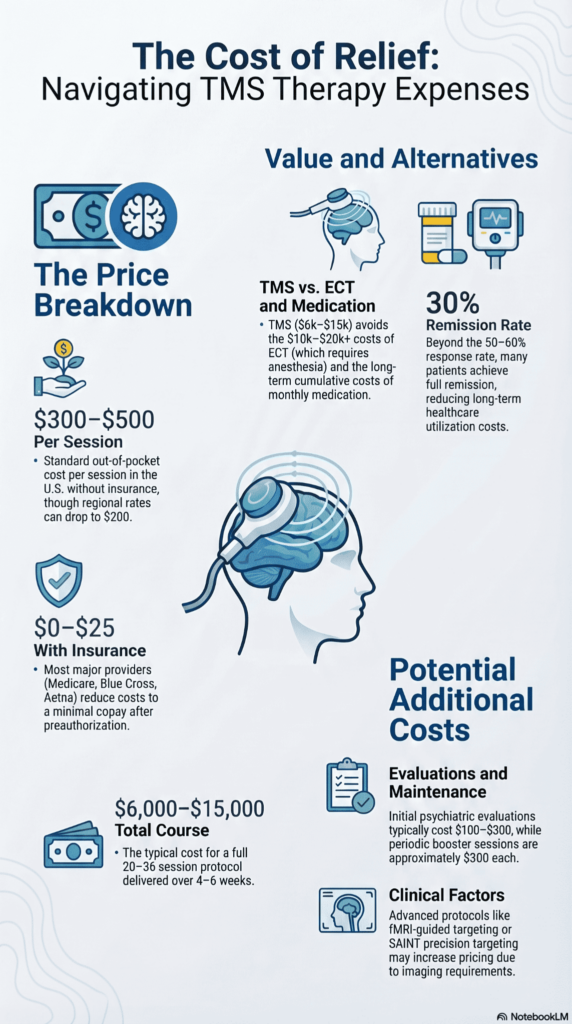
A complete TMS treatment course typically costs between $6,000 and $15,000, based on session count, protocol structure, and additional clinical services.
A standard TMS protocol involves 20–36 sessions, delivered five days per week over 4–6 weeks. Each session contributes incrementally to the total cost, which accumulates into a multi-thousand-dollar treatment course.
In a recent analysis by BMJ Mental Health
“TMS has been shown to be cost-effective in various international settings. A proportion of patients receiving TMS therapies can expect to achieve faster and more sustained improvements in depressive symptoms compared to usual care.” – BMJ Mental Health
Initial psychiatric evaluations and follow-up visits may add 5–10% to the overall expense. According to the Mayo Clinic, structured TMS protocols require consistent attendance to achieve optimal outcomes.
- Total cost range: $6,000–$15,000
- Standard protocol: 20–36 sessions
- Treatment duration: 4–6 weeks
- Additional clinical costs:
- Initial consultation: $100–$300
- Follow-up monitoring: incremental increase
At Sugi Psychiatry, we structure treatment plans with transparent cost expectations and clinical oversight.
Does Insurance Cover TMS Therapy Costs?
Most major U.S. insurance providers cover TMS therapy for depression after failed medication trials, significantly reducing out-of-pocket costs.
Insurance coverage represents the most important variable in determining patient cost. Programs such as Medicare, Tricare, and private insurers including Aetna, Cigna, and Blue Cross Blue Shield commonly provide coverage when clinical criteria are met.
These criteria typically include documentation of antidepressant failure, psychiatric evaluation, and preauthorization approval. According to Harvard Health Publishing, insurance-backed TMS often reduces patient responsibility to minimal copay levels.
- Covered by:
- Medicare and Tricare
- Major private insurance providers
- Requirements:
- Documented medication non-response
- Formal preauthorization process
- Out-of-pocket cost with coverage:
- $0–$25 per session
Without approval, patients are responsible for the full treatment cost.
Why Do TMS Costs Vary So Much Between Clinics?
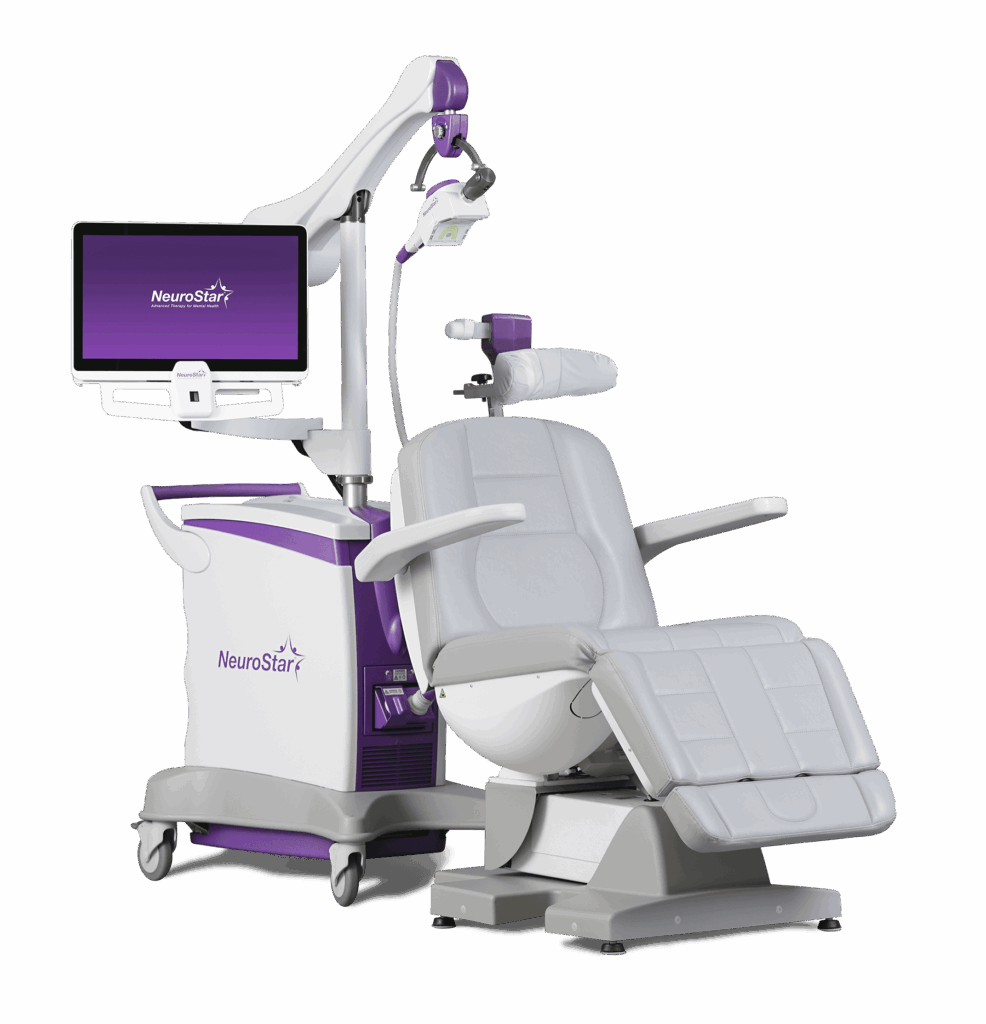
TMS pricing varies due to geographic location, protocol selection, device technology, and provider expertise, leading to significant differences in total treatment cost.
Urban clinics often report higher pricing due to increased operational costs, while smaller regional practices may offer reduced rates. Additionally, advanced protocols such as intermittent Theta Burst Stimulation (iTBS) or accelerated TMS may influence cost structure due to efficiency or intensity variations.
Precision approaches, including fMRI-guided targeting and advanced neuromodulation protocols such as the SAINT protocol, may also contribute to pricing variability due to additional imaging or computational requirements.
- Key cost variables:
- Geographic region
- Device type and protocol selection
- Provider specialization
- Advanced cost factors:
- iTBS protocol efficiency
- SAINT precision targeting
- Neuroimaging-based customization
These differences reflect variations in clinical methodology rather than a standardized national pricing model.
How Much Does TMS Cost Without Insurance?

Without insurance coverage, patients typically pay between $6,000 and $15,000 for a full TMS treatment course, often requiring structured payment planning.
Self-pay patients are responsible for the entire cost of treatment, including all sessions and associated clinical services. For those exploring alternatives or combined approaches, it can also help to review available treatment options through a provider’s full range of services, such as those outlined on the Mental Health Services page. Many practices offer financing arrangements to distribute cost over time, though total financial responsibility remains unchanged.
Clinical effectiveness also factors into cost perception. With a 50–60% response rate reported in treatment-resistant depression, patients must weigh potential benefit against financial investment.
- Full self-pay range: $6,000–$15,000
- Payment structures:
- Monthly financing plans
- Discounted treatment packages
- Considerations:
- No guaranteed remission
- Clinical outcomes vary by patient
At Sugi Psychiatry, financial counseling is integrated into the treatment planning process.
Are There Additional or Hidden Costs in TMS Treatment?
Yes, additional costs such as consultations, maintenance sessions, and follow-up care can increase the total expense beyond the base treatment price.
Initial psychiatric evaluations typically cost between $100 and $300, while follow-up monitoring may incrementally increase total cost. Additionally, some patients require maintenance or booster sessions, particularly in recurrent depression.
Clinical observations suggest that up to 50% of patients may benefit from periodic booster treatments, each costing approximately $300 or more per session.
- Common additional costs:
- Initial consultation: $100–$300
- Booster sessions: $300+ each
- Other cost considerations:
- Travel expenses
- Missed appointment fees
These variables should be reviewed during initial treatment planning.
How Does TMS Cost Compare to ECT or Medication?
TMS has a higher upfront cost than medication but avoids the hospitalization and anesthesia expenses associated with electroconvulsive therapy (ECT).
The financial comparison between treatment modalities must consider both direct and indirect costs. While antidepressant medications may cost $10–$200 per month, long-term use accumulates substantial expense over time.
Insights from the Medical University of South Carolina indicate
“It’s mainly cost-effective because it’s not really that much more expensive than drug therapy, and it has a very large improved effect over drug therapy. These treatment-resistant patients are very sick and would normally otherwise be on 2 or 3 antidepressant drugs, and in many cases that still doesn’t work.” – MUSC News
Electroconvulsive Therapy (ECT), often used for severe depression, can cost between $10,000 and $20,000 or more, particularly when hospital-based care and anesthesia are required.
| Treatment | Cost Range | Clinical Consideration |
| TMS | $6,000–$15,000 | Non-invasive, no anesthesia |
| ECT | $10,000–$20,000+ | Requires sedation and monitoring |
| Medication | $10–$200/month | Long-term pharmacological exposure |
TMS avoids systemic side effects such as weight gain- No cognitive impairment compared to ECT
- No anesthesia or recovery time required
This positions TMS as an intermediate-cost, non-invasive treatment option.
Is TMS Therapy Worth the Cost?
For patients with treatment-resistant depression, TMS can justify its cost due to clinically meaningful remission rates and reduced reliance on long-term medication.
Clinical outcomes indicate that approximately 30% of patients achieve remission, while a larger percentage experience partial symptom improvement. For patients exploring treatment paths beyond medication, it can also be helpful to review options like depression treatment to understand where TMS fits within a broader care plan.
Economic evaluations published in psychiatric literature suggest that effective TMS treatment may reduce long-term costs associated with chronic depression, including hospitalizations and medication management.
- Value indicators:
- 30% remission rate
- Reduced pharmacological dependence
- Long-term considerations:
- Improved productivity
- Lower cumulative healthcare costs
- Limitations:
- Not all patients respond
- Booster sessions may be required
Cost-benefit analysis should be individualized based on clinical severity.
What Do Real Patients Say About TMS Costs?
Patient reports indicate that TMS is perceived as cost-effective when covered by insurance, but financially burdensome without coverage.
Clinical feedback and patient-reported experiences show a clear divide based on insurance status. Individuals with coverage frequently report satisfaction with minimal copays, while self-pay patients often describe the financial burden of paying $6,000 or more out-of-pocket.
There is also a documented selection bias in patient reporting, with negative financial experiences more frequently shared in public forums than positive outcomes.
- Common perspectives:
- Affordable with insurance coverage
- Expensive without reimbursement
- Reported challenges:
- Insurance preauthorization delays
- Partial clinical response despite high cost
Interpretation of these experiences requires clinical context and outcome data.
FAQ
How much does a full course of TMS therapy cost in the US?
A full course of TMS therapy in the US usually costs between $6,000 and $15,000. This covers a standard protocol of about 20–36 sessions delivered over 4–6 weeks. Most clinics charge a fixed package price rather than billing per session, so the total depends on your provider and protocol.
What is the TMS cost per session in the USA without insurance?
Without insurance, TMS typically costs $200 to $500 per session, which adds up to several thousand dollars across a full course. To make this manageable, some clinics offer cash-pay discounts or flexible payment plans.
Does insurance cover TMS therapy, and what costs should I expect?
Most major US insurers cover TMS for major depression after other treatments have failed. Plans such as Medicare, Aetna, Cigna, and Blue Cross Blue Shield often cover the majority of the cost. Patients may still pay a per-session copay and may need to complete preauthorization before treatment begins.
Why does TMS pricing vary so much between cities and clinics?
Pricing varies mainly due to geographic region, clinic overhead, device type, and provider experience. Clinics in large metro areas tend to charge more than smaller regional practices, and advanced protocols can also raise the price.
Is TMS therapy worth the cost compared to medication or ECT?
For treatment-resistant depression, many patients find TMS worth the cost. With a 50–60% response rate, some achieve remission without relying on long-term medication. Compared to ECT, TMS avoids anesthesia and hospitalization costs, making it a strong middle-ground option.
What TMS Treatment Means for Your Budget
You’re likely weighing the cost while dealing with ongoing symptoms, and that pressure adds up fast. It’s not just about numbers, it’s about whether you can finally get relief without stretching yourself too thin. That uncertainty is exhausting.
Sugi Psychiatry helps simplify that step by guiding you through insurance and showing what you’ll actually pay. Instead of guessing, you get a clear path forward with support built in. If TMS fits your needs, this makes it easier to move ahead with confidence.