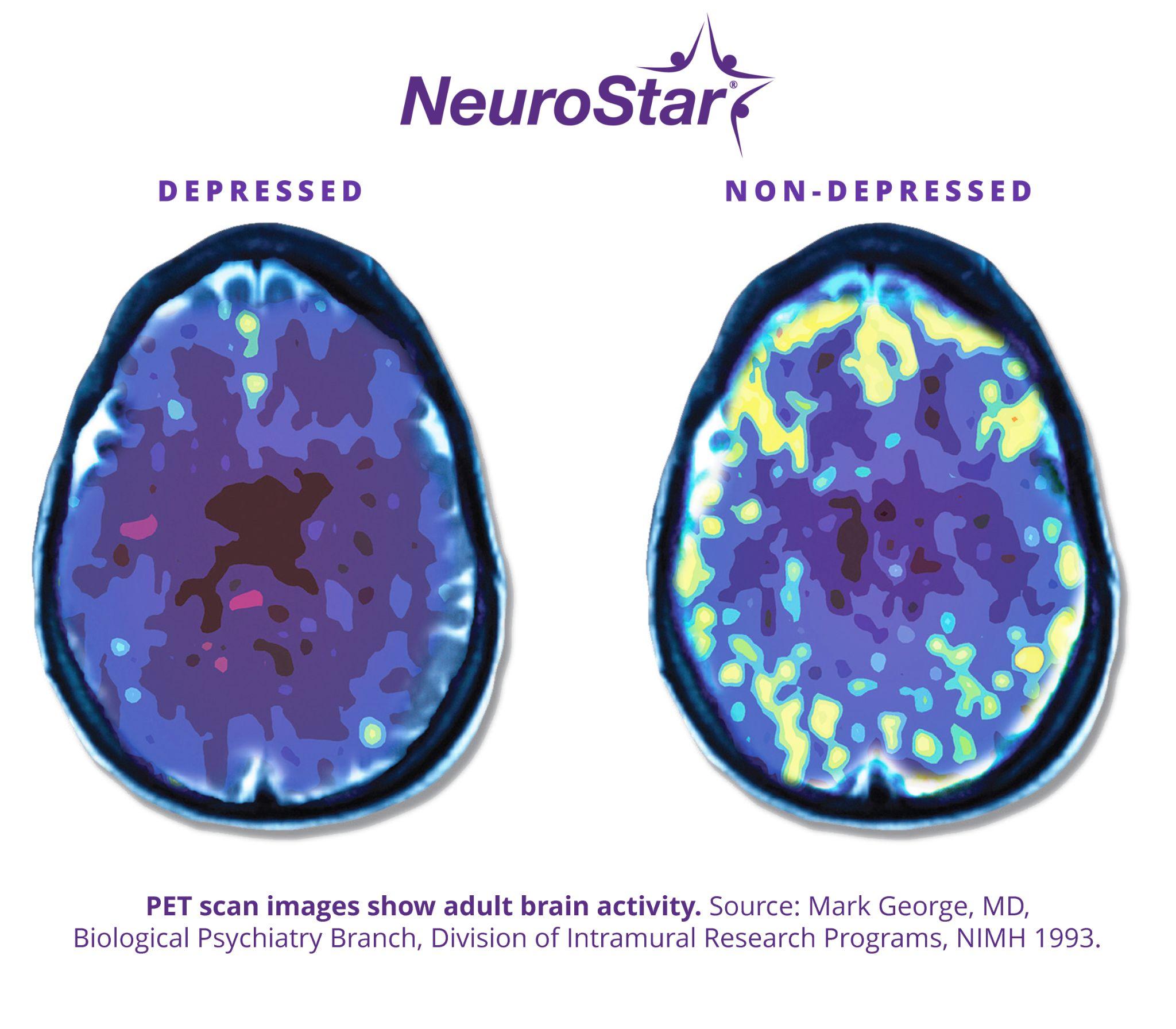



Does insurance cover TMS therapy? Insurance covers transcranial magnetic stimulation (TMS) for treatment-resistant depression, but approval hinges on documentation, prior medication failures, and preauthorization rules. Most plans, including Medicare and commercial carriers, recognize FDA-cleared TMS when patients meet defined clinical criteria.
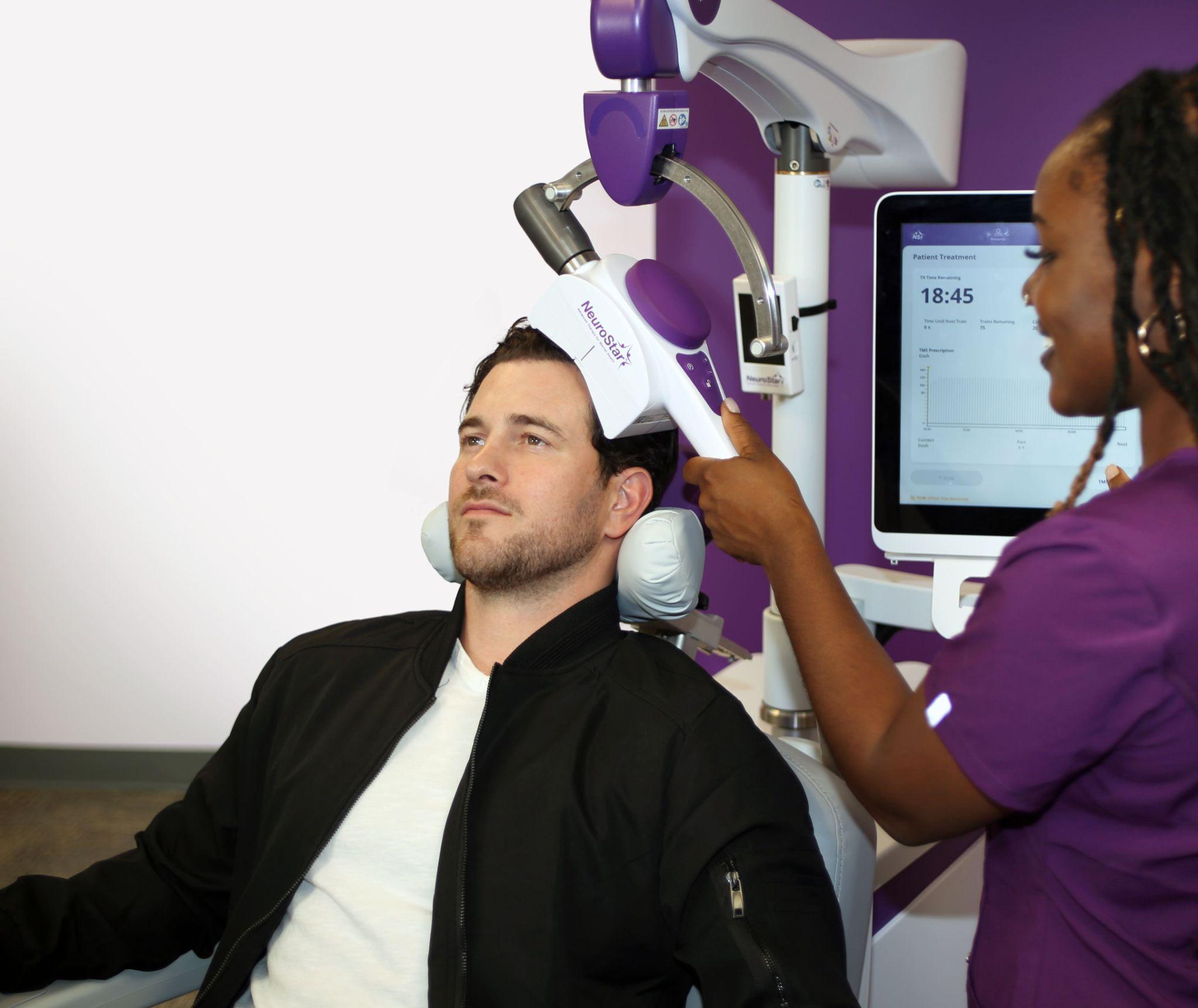
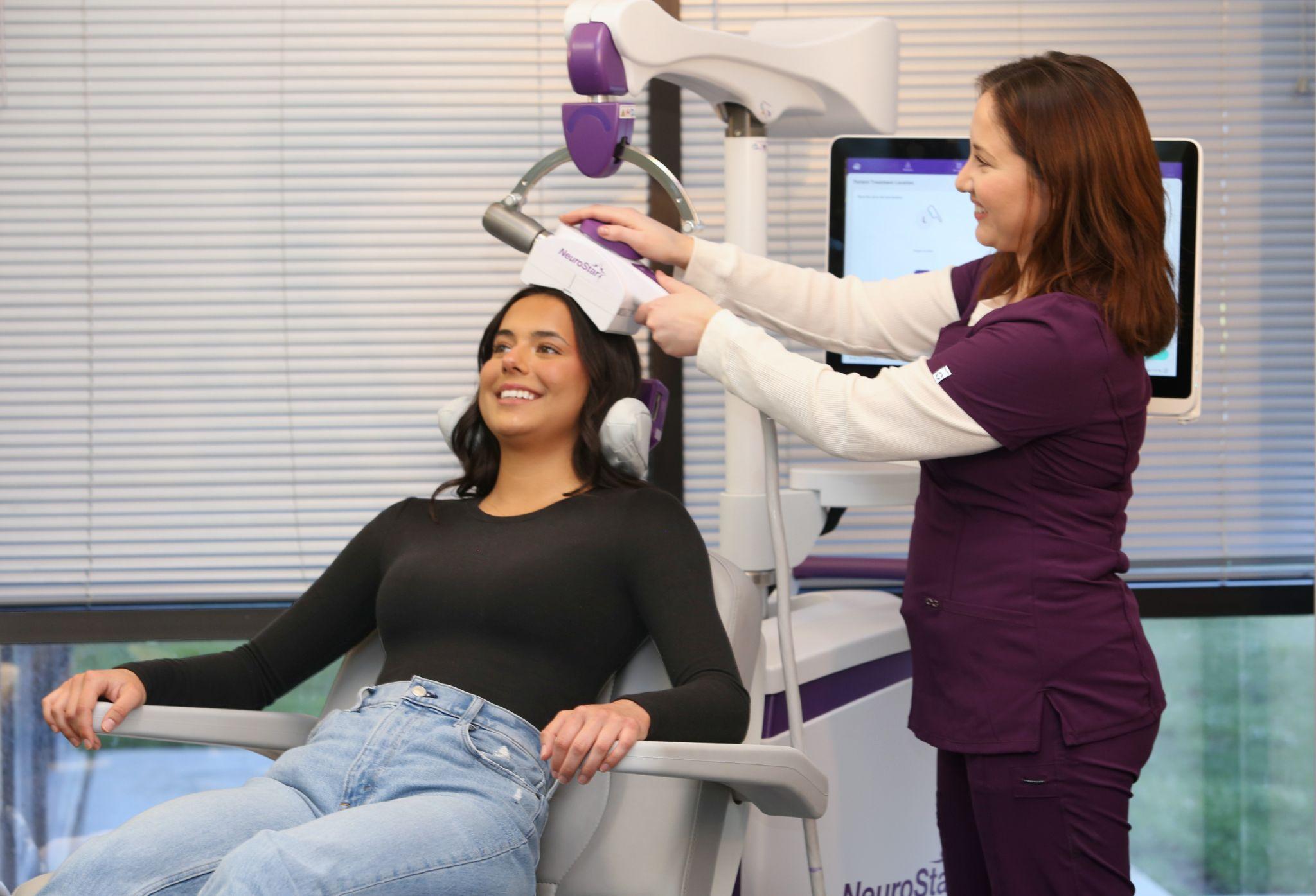
At Sugi Psychiatry, we use NeuroStar TMS within an interventional care model for patients who have not reached remission with standard approaches. Still, coverage is never automatic: insurers review records, treatment history, and symptom severity before deciding.
Knowing what they look for can speed the process and reduce denials. Keep reading to see how eligibility is determined and what steps improve approval odds.
Key Takeaways
- Insurance can cover TMS therapy for treatment resistant depression, but only when strict medical necessity criteria and full documentation are met.
- Approval depends on clear proof of prior treatments, including antidepressant trials and documented therapy, not just diagnosis alone.
- Denials often happen because of incomplete records, and coverage rules can vary between insurers.
How Insurance Decides Whether To Pay for TMS
Insurance companies do not look at TMS as a first step treatment, especially within a broader Mental Health Services pathway where care typically begins with medication and therapy.
The concept is simple: insurers want proof that standard treatment was already tried.
And that proof has to live in the medical record. Not just a conversation between doctor and patient.
“TMS is recommended for patients with major depressive disorder who have not responded to at least one adequate antidepressant trial.” – American Psychiatric Association
What Medical Necessity Means
Medical necessity is the phrase insurers use when they decide if What Is TMS Treatment meets the criteria for coverage within a documented treatment sequence.
It sounds technical, but it really means something practical: you must show that earlier treatments did not work.
Most insurers expect:
- Several antidepressants tried at correct doses
- Each one used for around 6 to 8 weeks
- Clear notes showing little improvement or side effects
- Evidence that therapy was attempted and documented
Usually 2 to 4 medication trials are needed, though the exact number depends on the specific insurance plan.
And this part matters. If documentation is incomplete, insurers often treat it as if the treatment never happened, even when it did.
How Treatment Resistance is Measured
Treatment resistance is not based only on how a person feels on a given day.
Insurers rely on structured tracking tools. One common example is PHQ-9 scoring, which tracks numbers, trends, and movement over time.
They are looking for patterns like:
- Symptoms that do not improve after medication trials
- Side effects that limit continued use
- Proper dose and duration already completed
There is a gap sometimes between clinical reality and what is documented. That gap is where approvals get stuck.
Insurance Coverage Differences by Plan Type
Coverage changes depending on the insurance type. Not all plans follow the same logic.
Insurance Coverage Comparison
| Insurance type | Coverage pattern | Typical patient cost |
| Medicare Part B | Covers eligible cases with documentation | About 20 percent after deductible |
| Medicaid | Varies by state | Low to moderate copays |
| Private PPO plans | Requires prior authorization | About 1000 to 3000 total |
| Employer plans | Depends on policy design | Copays per session |
Medicare tends to be the most structured. Its rules are clearer and there is less variation.
Private insurance is more inconsistent, and the same diagnosis can lead to different coverage outcomes.
Medicaid depends heavily on state level policy. Some states support TMS more than others.
What Treatment Costs Look Like

Even when insurance approves TMS, there is still cost, and the total TMS Treatment Cost depends on session frequency, copays, and deductible structure.
A full course is usually 30 to 36 sessions. It is done over several weeks, with most sessions on weekdays.
Typical range:
- Without insurance about 10,000 to 15,000 dollars
- With insurance about 1,000 to 3,000 dollars out of pocket
- Copays often 20 to 60 dollars per session
- Deductibles may apply first
These smaller payments add up over the full course of treatment.
Why Insurance Denies TMS
Denials are often not about whether TMS works. They are about missing paperwork.
Common reasons include:
- Not enough documented antidepressant trials
- Missing therapy session records
- Prior authorization not completed
- Symptom scores not recorded over time
There is also one more factor: fail-first requirements.
That means insurers want proof that standard treatments were tried before moving to TMS. If that step is not clearly shown, approval often gets denied.
Even if the clinical story is strong.
Insurance Appeals for TMS Coverage
A denial is not always the end of the process. It often means something was missing in the paperwork.
Insurance appeals exist for this reason. They give the clinic a second chance to show the full medical picture.
The process is structured, and a bit repetitive. But it works when documentation is complete.
Typical steps include:
- Reviewing the denial letter carefully
- Identifying what specific requirement was not met
- Submitting a medical necessity letter from a psychiatrist
- Adding full medication history with dates and doses
- Including therapy records with billing codes
- Requesting an internal review, sometimes external review
Then comes the waiting, which can take a few weeks or sometimes longer.
Approval is not guaranteed, but appeals do succeed when the missing pieces are properly filled in.
At Sugi Psychiatry, these documents are often organized in advance, so the submission is cleaner from the start, with less back and forth.
Role of NeuroStar TMS In Insurance Approved Care

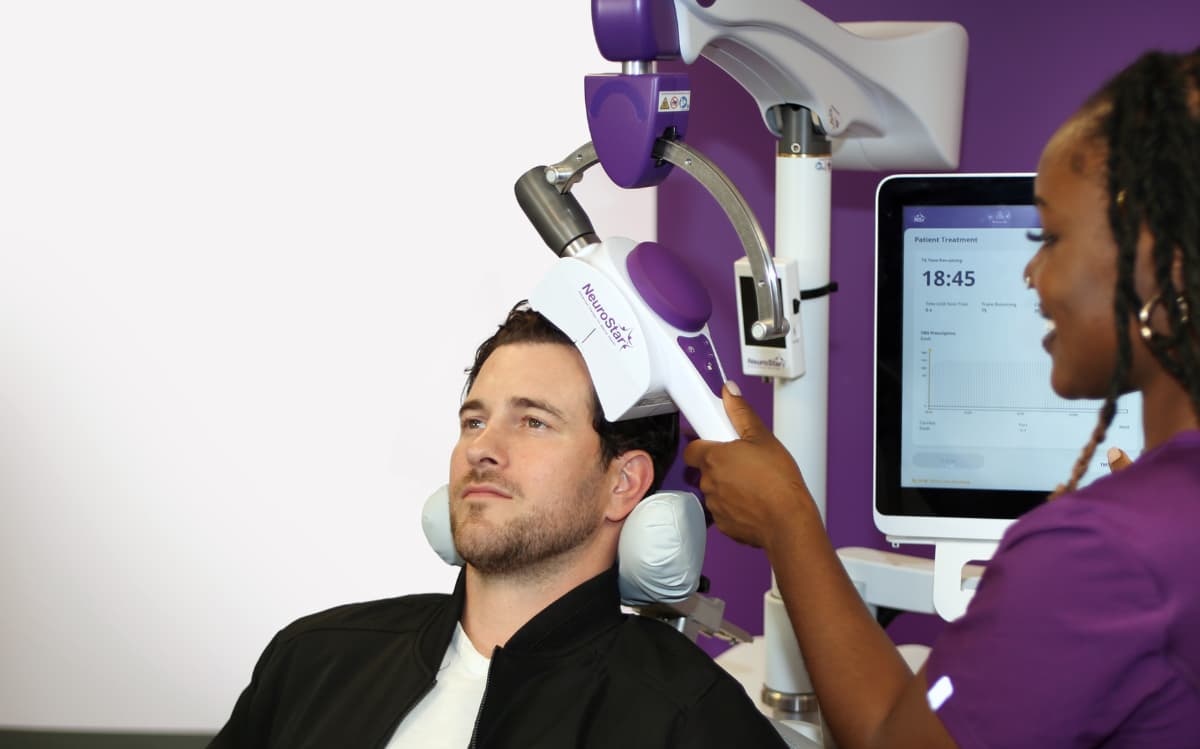
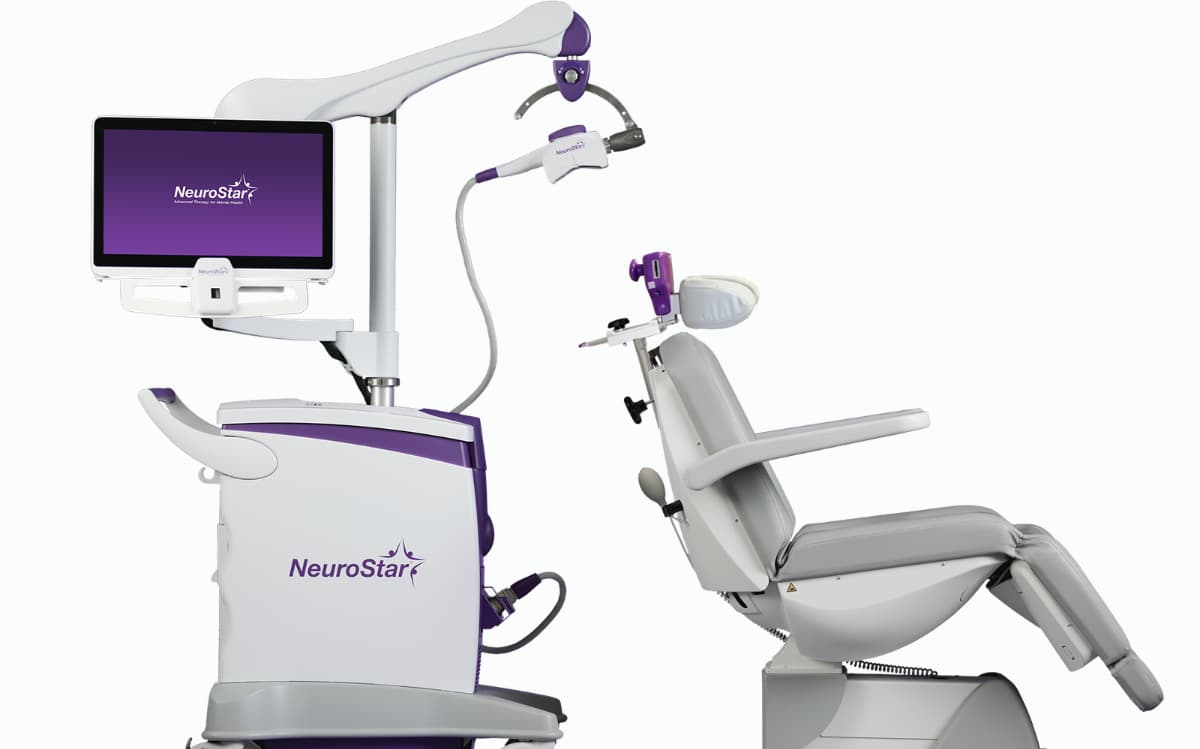
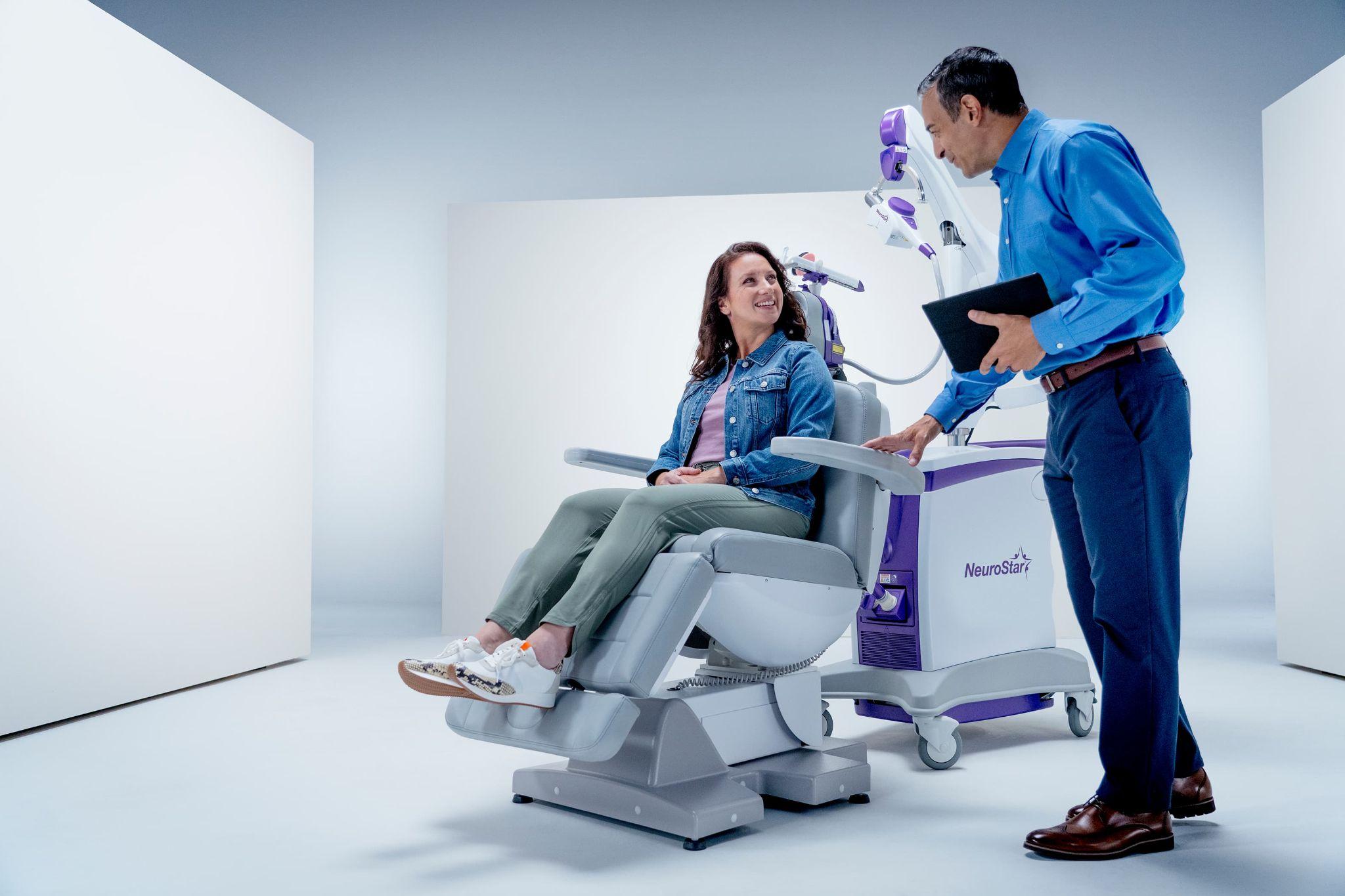
NeuroStar is one of the commonly used FDA cleared TMS systems in the United States, and NeuroStar TMS Therapy is often delivered within structured outpatient psychiatric programs where documentation supports insurance approval.
It is used for major depressive disorder, and in some cases obsessive compulsive disorder when criteria are met.
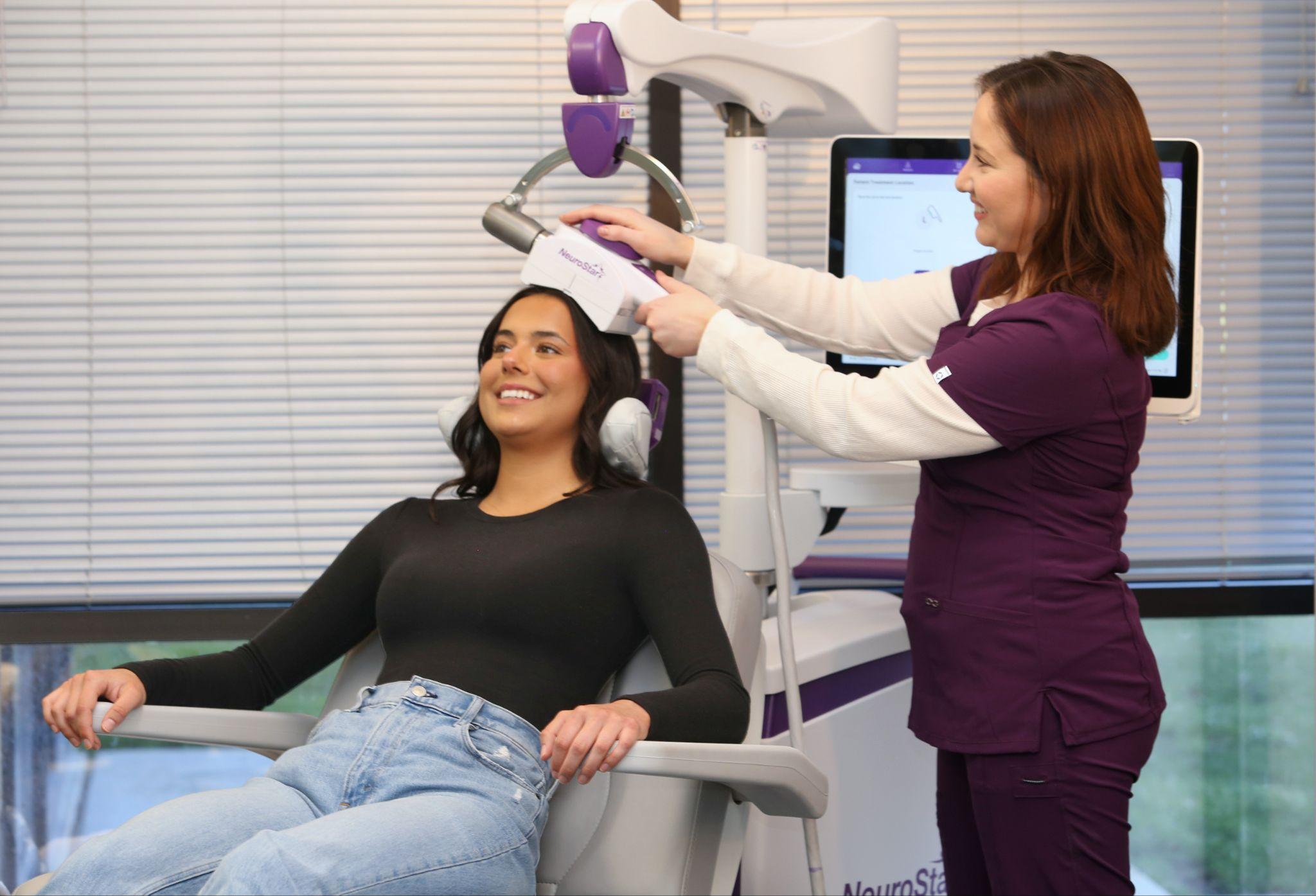
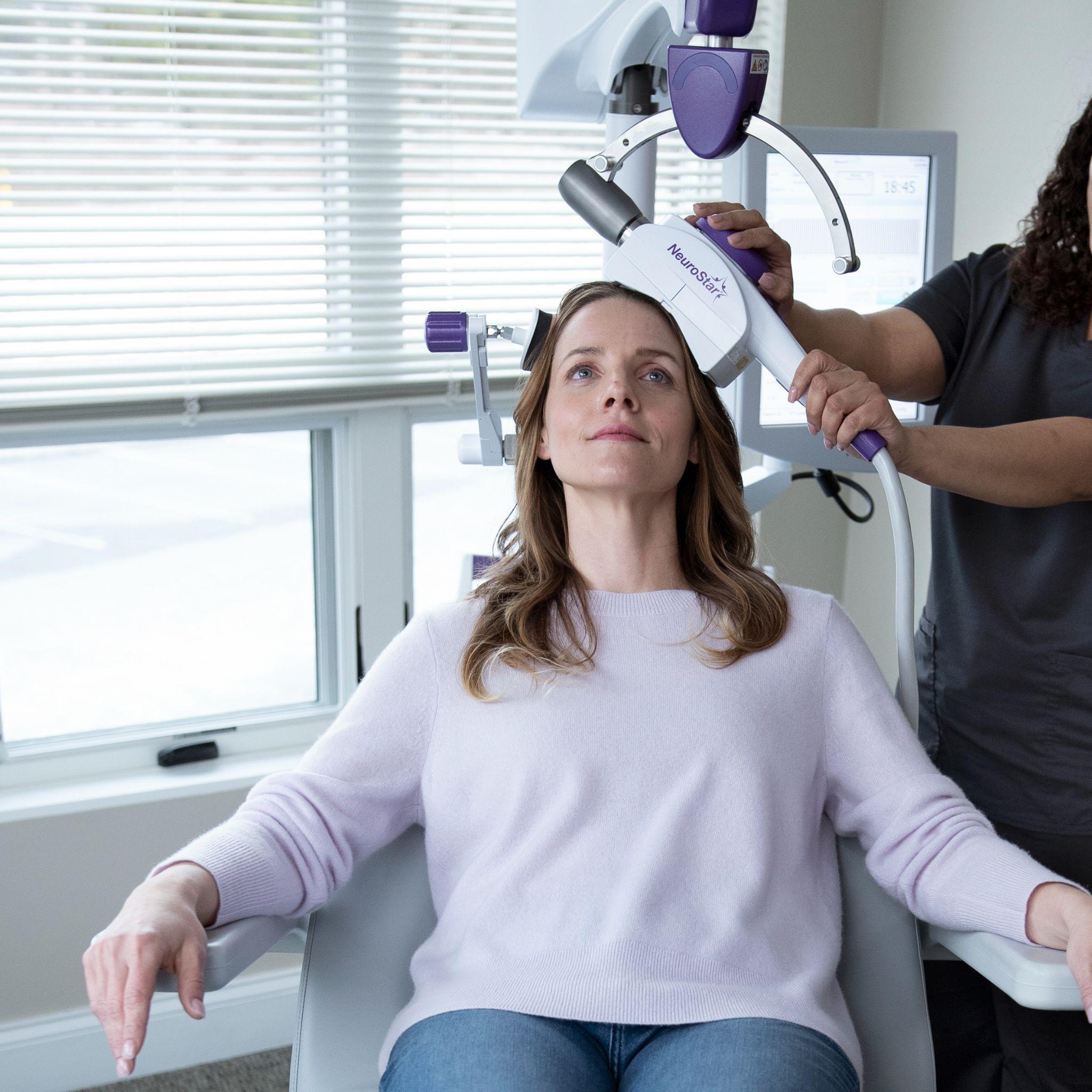
At Sugi Psychiatry, NeuroStar is delivered in an outpatient setting with no anesthesia and no sedation, and patients stay awake during treatment.
Sessions are short, usually under an hour. Then patients leave and continue normal activities.
Clinical studies of TMS in treatment resistant depression show:
- Meaningful response rates in many patients
- Remission in a portion of cases, especially with structured protocols
- Lower systemic side effects compared to medication based treatment
“repetitive transcranial magnetic stimulation was associated with significantly higher response and remission rates compared with sham treatment.” – JAMA Psychiatry
Numbers matter here, but real life response varies. Some improve quickly, others slowly, and some do not respond at all, which is an honest reality.
Insurance tends to approve TMS more readily when treatment is delivered in a structured psychiatric program with complete records, which shows how central complete documentation is to approval.
When Insurance Does Not Cover TMS
There are situations where insurance will not approve TMS even if depression is present.
Common exclusions include:
- Metal implants in or near the head that cannot be safely removed
- Certain implanted neuro devices
- History of seizures in some cases, depending on severity
- Mild depression where first line treatments have not been fully tried
Insurers also limit coverage to FDA cleared uses. Anything outside approved indications is usually not reimbursed.
So both timing and sequencing matter.
TMS is not usually first step care. It is later-step care, which is how insurance frameworks are built.
What Patients Often Miss About Approval
Patients often think a diagnosis is enough and that depression automatically equals coverage. But insurance systems do not work that way.
Instead, insurers want clear structure and documentation.
They want:
- Dates
- Doses
- Duration
- Measured response
- Proof of adherence
Without those details, even a very clear clinical case can get delayed or denied.
Sometimes it is just one missing note or record, and that is enough to pause everything.
It is not about judgment; it is about documentation systems.
Getting Clear on Coverage and Next Steps
You’re dealing with the weight of depression while trying to figure out insurance rules, paperwork, and approvals that feel confusing and slow. It’s exhausting. Getting clarity on TMS coverage isn’t always simple, and delays can make it feel like you’re stuck waiting instead of moving forward. That’s the reality.
Working with a provider like Sugi Psychiatry & Wellness can make this process easier by handling the details and guiding you through approval. It gives you a clearer path. Instead of guessing what’s covered, you can take a direct step toward treatment with support that keeps things moving and focused on your recovery.
FAQs
Does insurance cover TMS therapy for depression in most cases?
TMS therapy insurance coverage is common for treatment-resistant depression TMS insurance cases, but approval is not guaranteed. Insurers require documented treatment resistance TMS, including antidepressant failure TMS insurance and psychotherapy requirement TMS. Whether insurance covers TMS depends on meeting TMS medical necessity criteria and completing TMS prior authorization before treatment begins.
What affects TMS therapy cost with insurance and out-of-pocket expenses?
TMS therapy cost with insurance depends on copay per TMS session, TMS deductible requirements, and the TMS out-of-pocket maximum. Patients usually pay TMS session copayments across a full course TMS costs plan.
Out-of-pocket TMS expenses vary based on benefits, network status, and whether coverage falls under commercial insurance TMS or Medicare TMS coverage.
How does prior authorization work for TMS insurance approval?
TMS prior authorization requires providers to submit prior auth forms TMS insurance, clinical records, and a letter of medical necessity TMS. Insurers review antidepressant failure TMS insurance, psychotherapy logs TMS auth, and documented treatment resistance TMS.
TMS provider preauthorization must be approved before treatment starts, or an insurance denial TMS therapy decision is likely.
What happens if insurance denies TMS therapy coverage?
Insurance denial TMS therapy usually occurs because of missing documentation or unmet insurance guidelines TMS approval. Patients can appeal TMS coverage denial by submitting a letter of medical necessity TMS and complete clinical records.
The TMS insurance appeal process may include an internal review and, if needed, an external review for health insurance TMS reimbursement.
Are there options if TMS is not covered by insurance?
If transcranial magnetic stimulation insurance is denied, patients can explore TMS financial assistance, payment plans TMS therapy, or discount programs TMS uninsured.
Some clinics offer TMS therapy financing options and cost estimator TMS with insurance tools. Reviewing TMS cost comparison insured vs uninsured can help patients plan and manage affordable care.
References
- https://www.psychiatry.org/psychiatrists/practice/clinical-practice-guidelines
- https://jamanetwork.com/journals/jamapsychiatry/fullarticle/210875